The Kaluma Way · 01
Nature & Sustainability
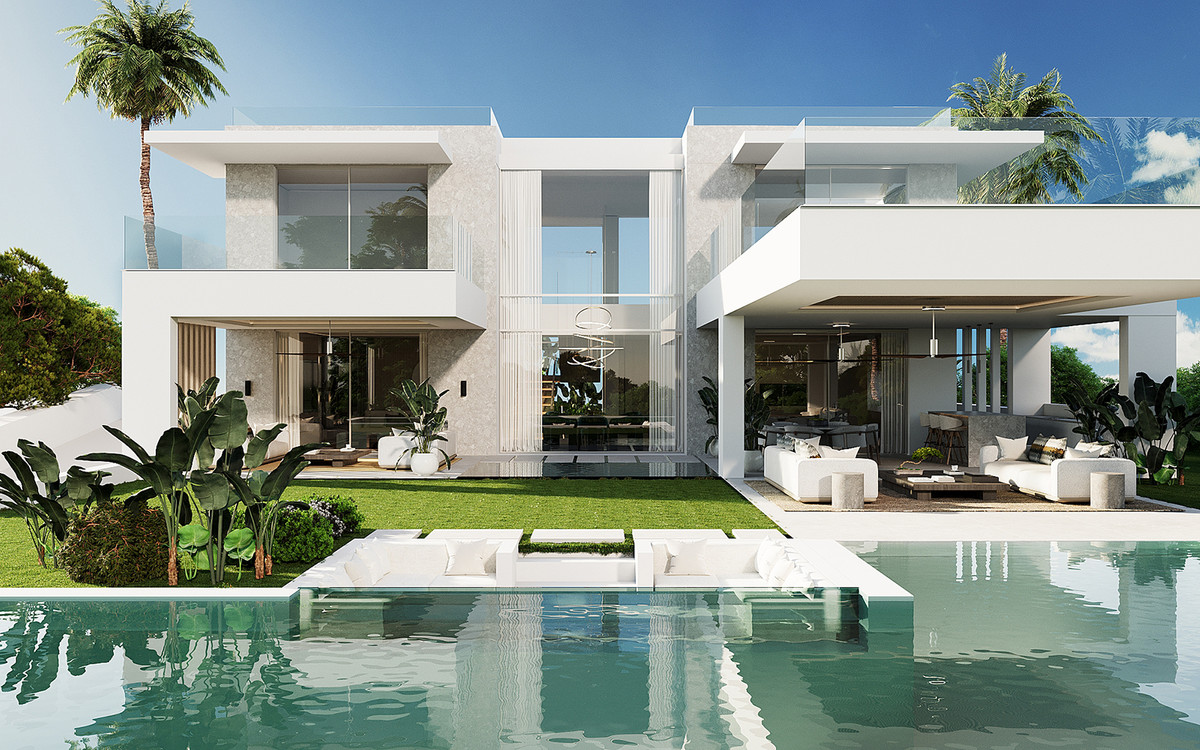
The homes we are drawn to do not sit within the landscape — they are made of it. Andalusian stone, Mediterranean light, air that moves without mechanical intervention.
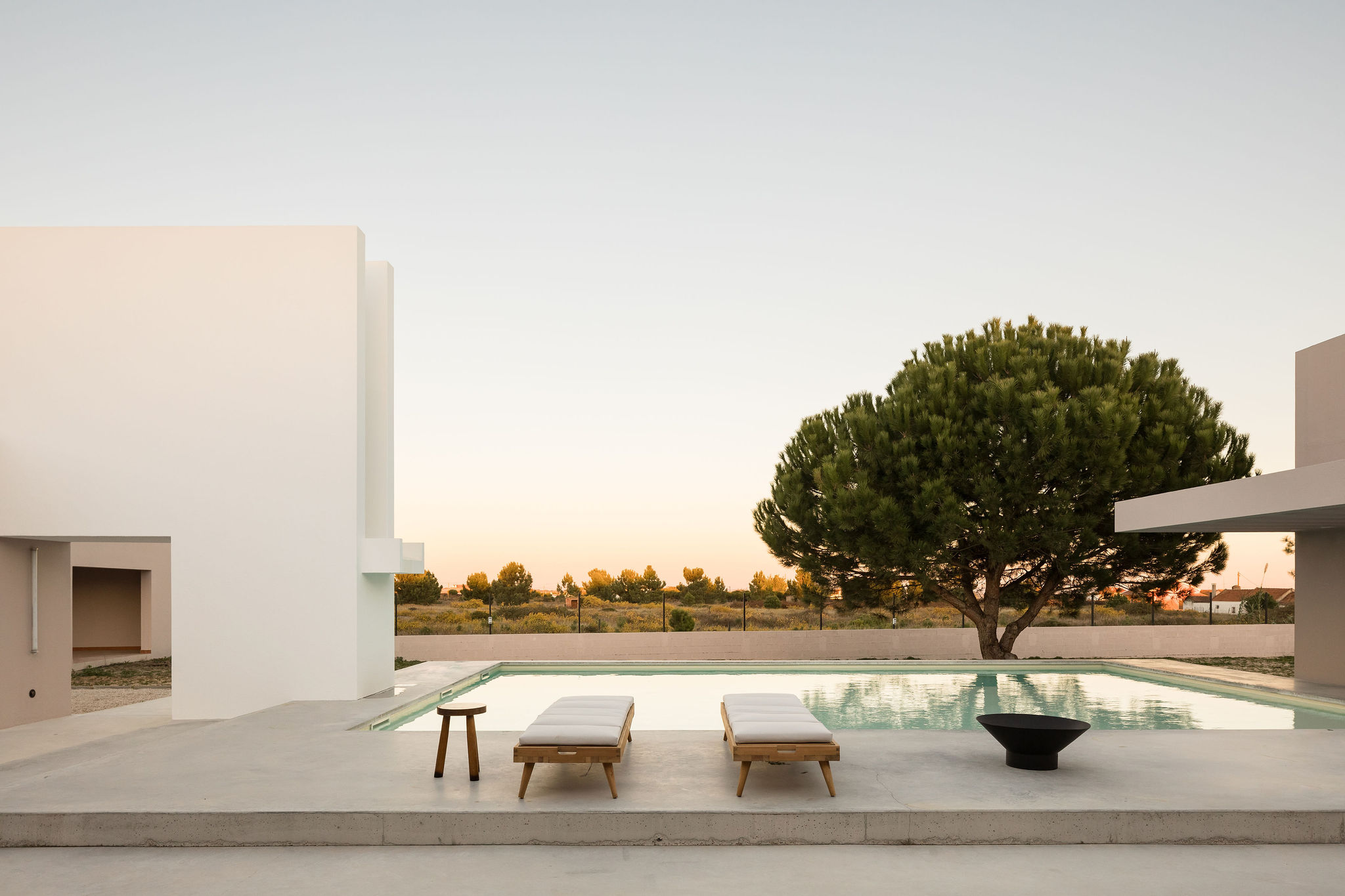
The Andalusian landscape as living architecture
Andalucía has one of the most extraordinary natural environments in Europe — and the homes we curate are built in genuine dialogue with it. Pine forests that descend to the sea. Limestone sierras that catch morning light in a way no window can simulate. The particular quality of Mediterranean air in October, when the summer crowds have gone and the landscape reasserts itself in complete silence.
When we assess a property, one of the first questions we ask is whether it works with its setting or merely sits in it. The difference is felt immediately — in the way a room fills with light at a particular hour of the morning, in whether the garden is a continuation of the surrounding landscape or an imposition upon it, in how the architecture responds to prevailing winds and the arc of the sun through the seasons. A home that has got this right does not need to announce it.
There is a specific pleasure in walking into a house on the Costa del Sol and understanding, within a few minutes, that the person who designed it paid attention to where they were building. These homes are rarer than they should be — and that is precisely why we look for them.
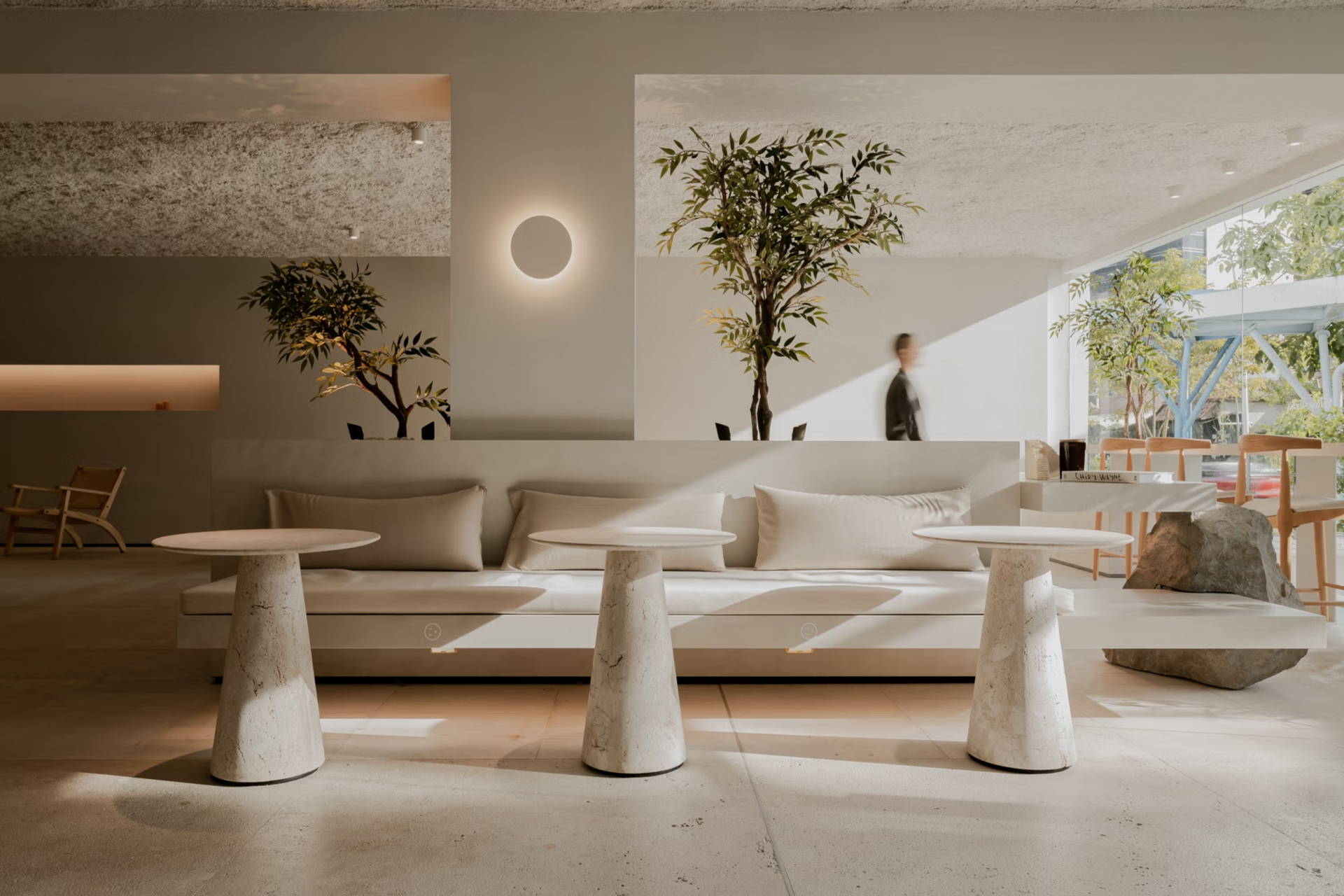
Biophilic design — a standard, not a feature
Biophilic design — architecture that maintains a meaningful, living connection between built space and the natural world — is increasingly understood not as an aesthetic preference but as a measurable contributor to human health. Reduced cortisol. Better sleep. The restorative quality of spending time in spaces that do not fight the environment they occupy.
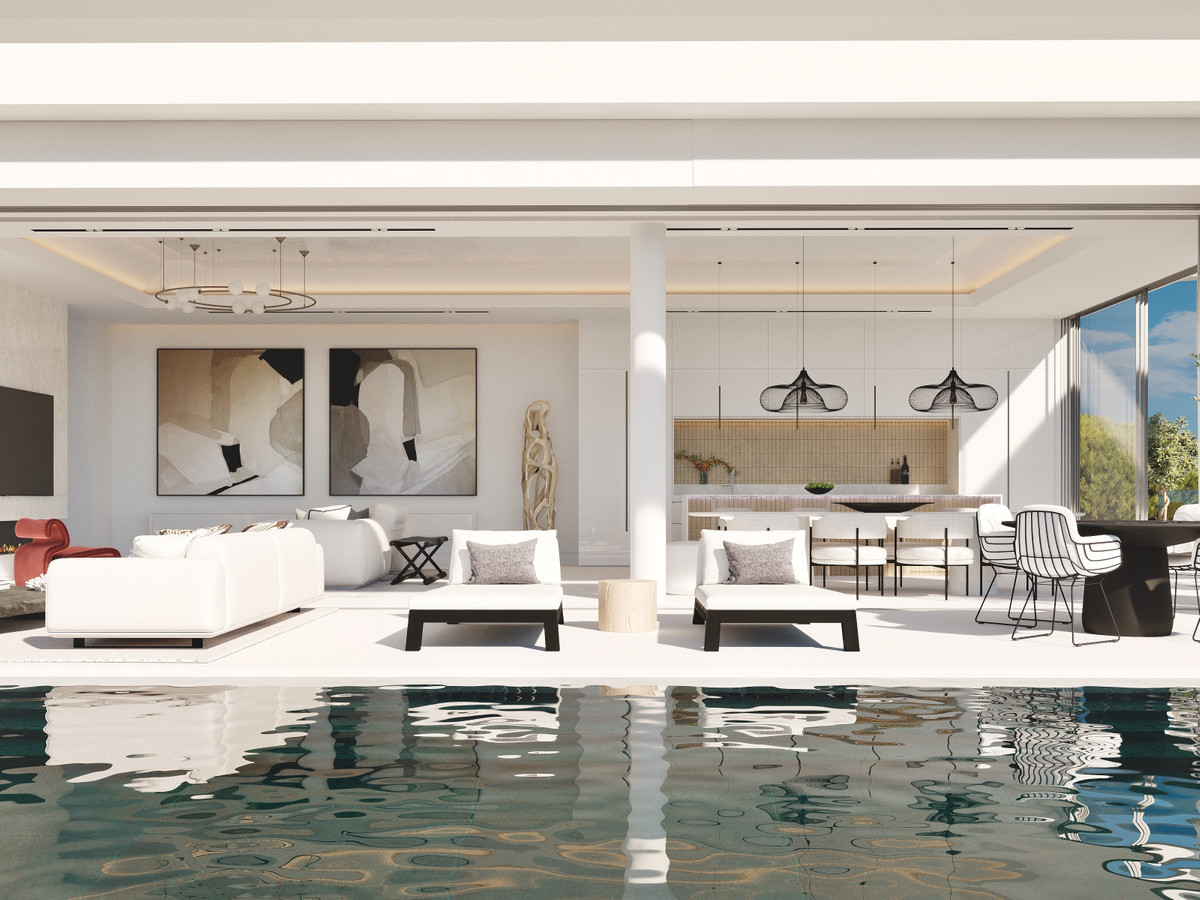
In practice, this means homes where cross-ventilation makes air conditioning unnecessary for most of the year. Natural materials — local limestone, untreated oak, hand-finished plaster — that develop patina rather than requiring replacement. Living planting integrated into pergolas, walls, and terraces in a way that creates genuine shade and biological activity. Access to outdoor space from every principal room, as a fact of design rather than a luxury upgrade.
We look for properties where these principles are present by conviction, not by trend. Stone sourced from the sierra rather than imported. A garden that has been planted to maintain itself and attract pollinators. These qualities are rarer than they should be — and they are consistently among the features our buyers value most after a year of living in a home.
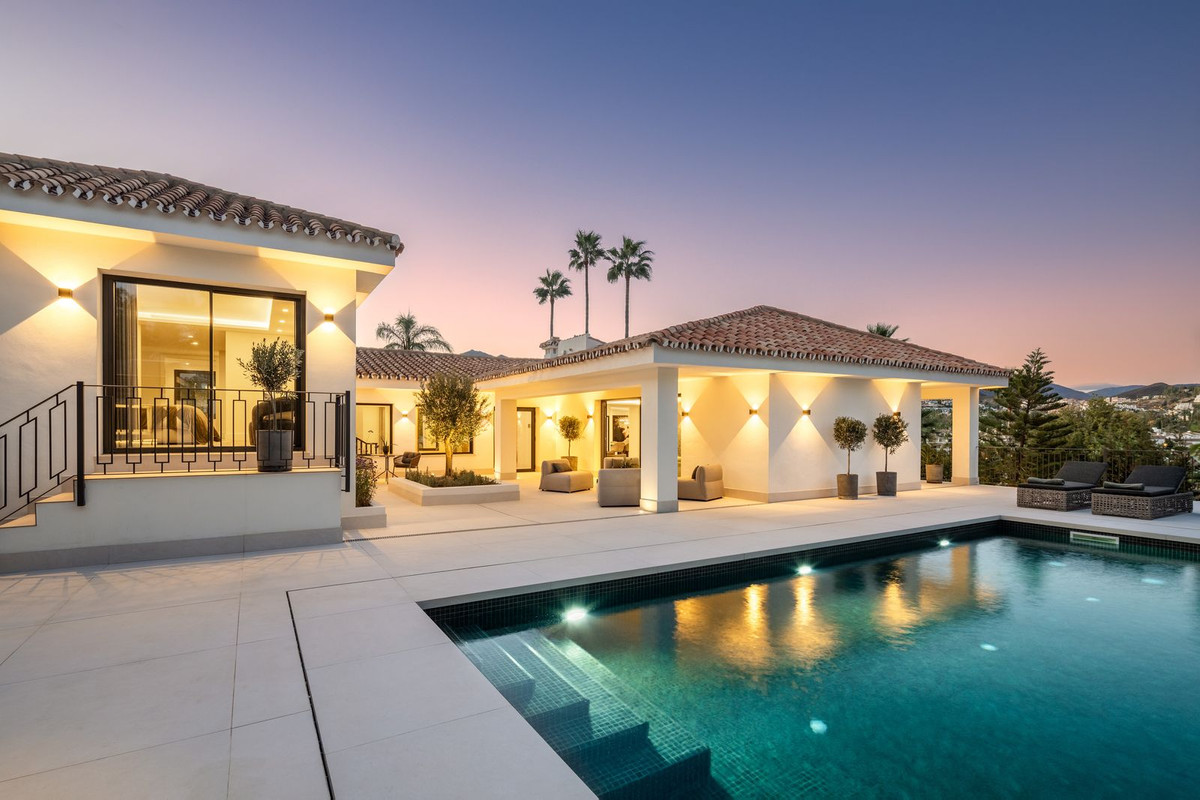
“The homes we are drawn to do not fight the climate they were built in. They were designed by people who understood where they were, and had the honesty to respond to it.”
Kaluma Living
Sustainability as long-term value
The buyers we work with are not interested in greenwash. They are interested in homes that will age well, cost less to run, and sit lightly on the land they occupy. These are not separate criteria from quality — they are its expression.
Solar installations sized to genuinely offset energy consumption, not merely satisfy a certification. Water management systems designed for the Andalusian climate — where rain arrives in concentrated bursts and the summer is genuinely dry. Native planting that requires no irrigation after its first year. Insulation and glazing specified for this latitude, not retrofitted from a northern European template that performs poorly in Mediterranean heat.
Sustainable luxury real estate on the Costa del Sol is not a niche segment — it is the direction the market is moving, and the properties that already embody these principles represent both better places to live and stronger long-term investments. We find them because we know what to look for, and we present them because they meet a standard we are prepared to stand behind.
What it actually feels like to live this way
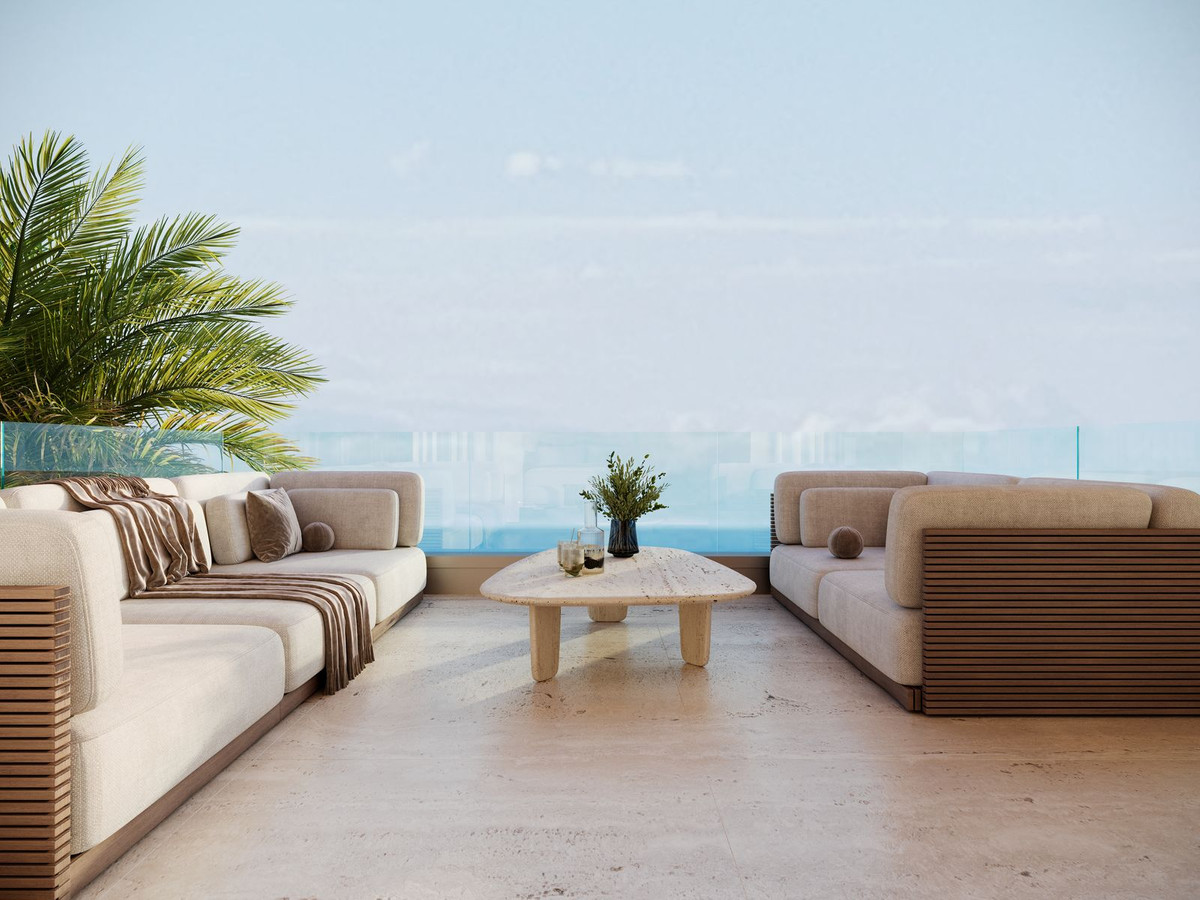
In October, when the summer is over and the landscape recovers its quiet, a home built in genuine relationship with its environment becomes something else entirely. The terrace, which was protected from the afternoon heat by the angle of its pergola, now captures the lower autumn sun from eight in the morning until four. The garden smells of rosemary and wet earth after the first rains. The air that moves through the open windows is carrying something from the mountains.
This is not a description of a special occasion. It is a description of Tuesday. Of the texture of a morning that begins with the specific quality of light in a room that was designed to receive it. Of a life that has arranged itself, without effort, around the rhythms of a place.
It is what distinguishes a home that lives well in Andalucía from one that merely occupies it. We build our entire curation around this distinction.
The materials that endure
The best sustainable homes are not built around certification labels — they are built around materials and systems that have earned their place through performance. These are the principles Kaluma Living applies to every property we present.
BREEAM & LEED Certification
International benchmarks for sustainable construction. A certified home has been assessed across energy use, water, materials, and its relationship with the site. We treat certification as a minimum threshold, not a marketing highlight.
Water Recovery Systems
In the Mediterranean climate, rainfall arrives in concentrated bursts and the summer is genuinely dry. Homes designed for this reality include rainwater harvesting, grey-water recycling, and drip irrigation calibrated to the actual water budget of their landscape.
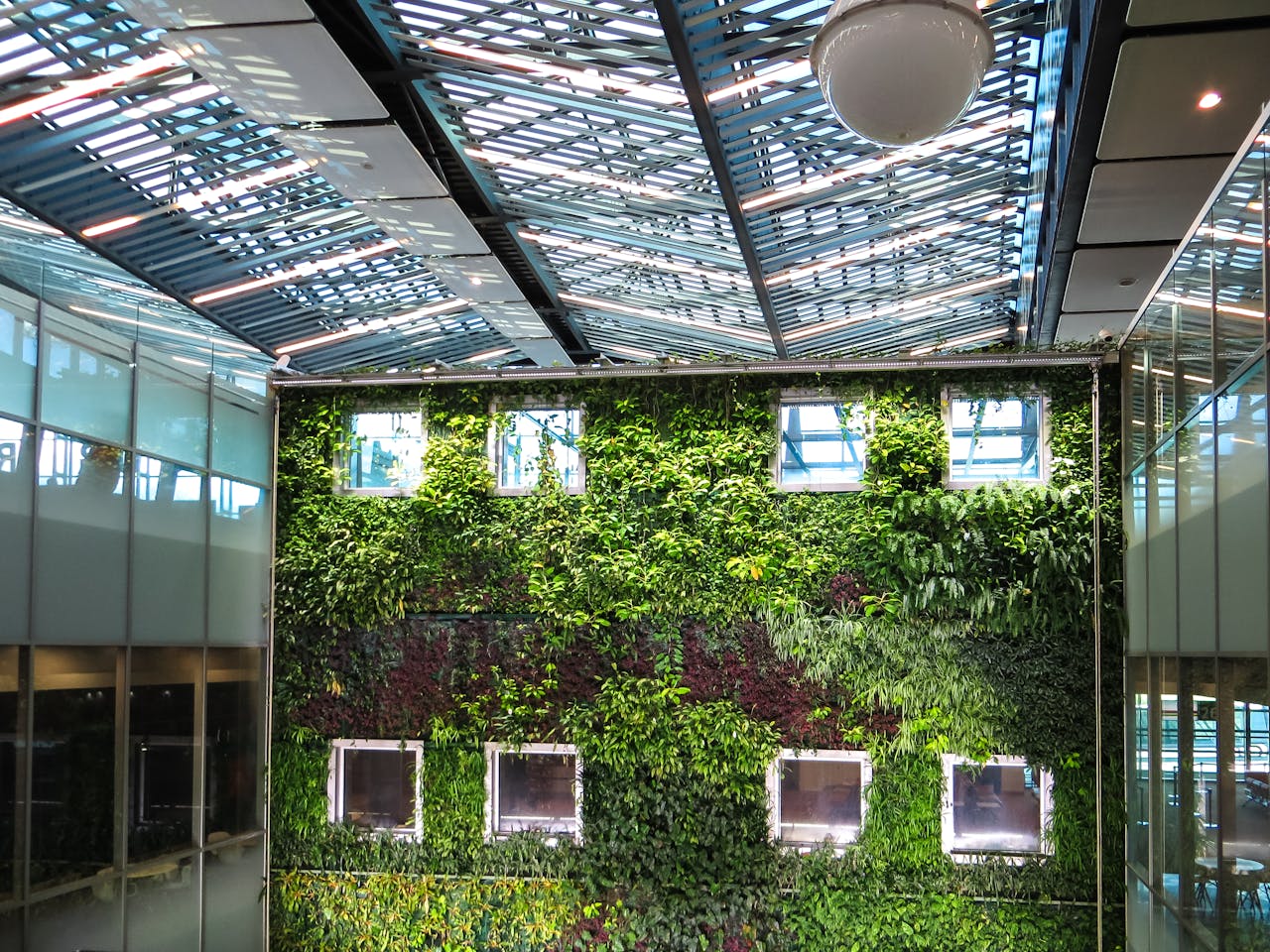
Green Roofs & Living Walls
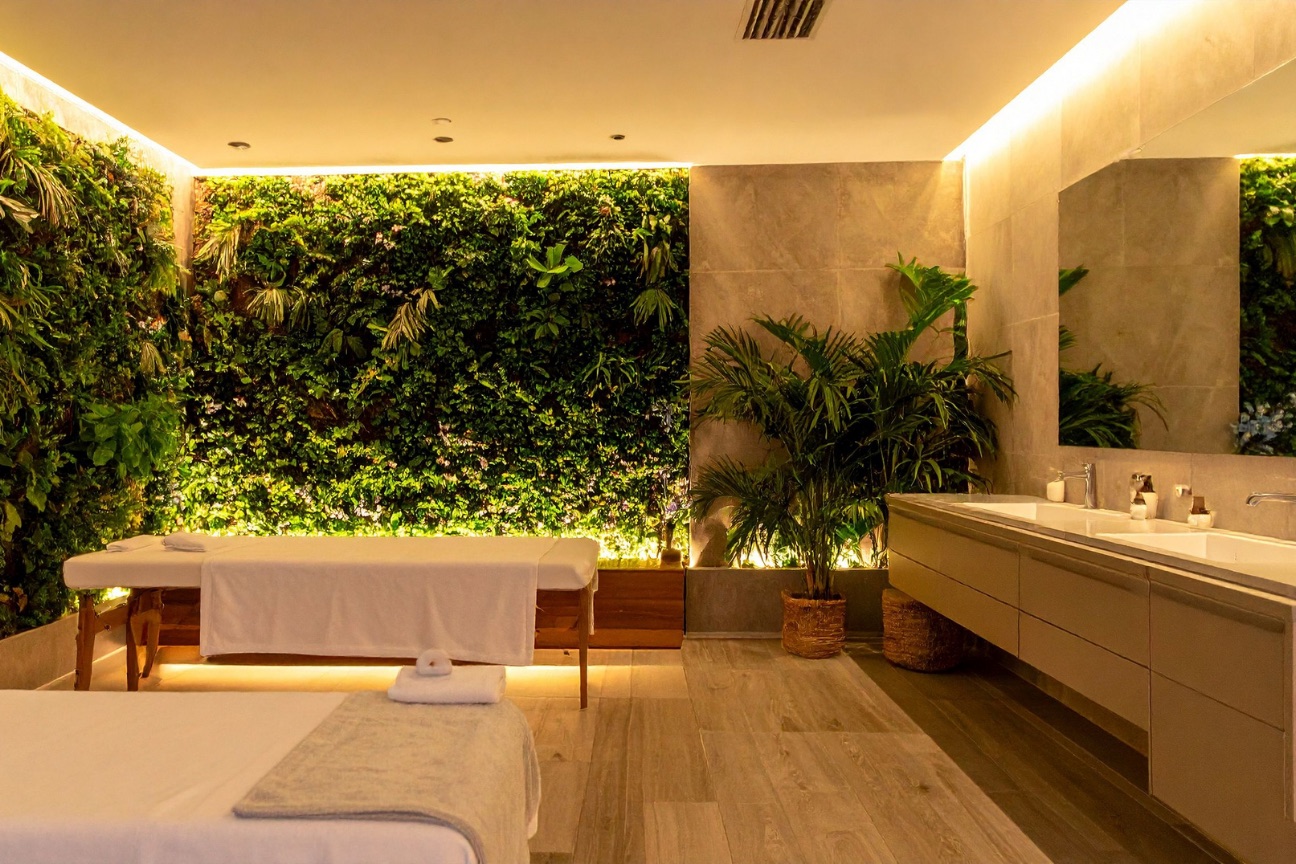
A vegetated surface provides insulation from summer heat, manages stormwater, extends the life of the roof membrane, and supports local biodiversity. In this climate, a green roof is often the most logical structural decision, not the most extravagant.
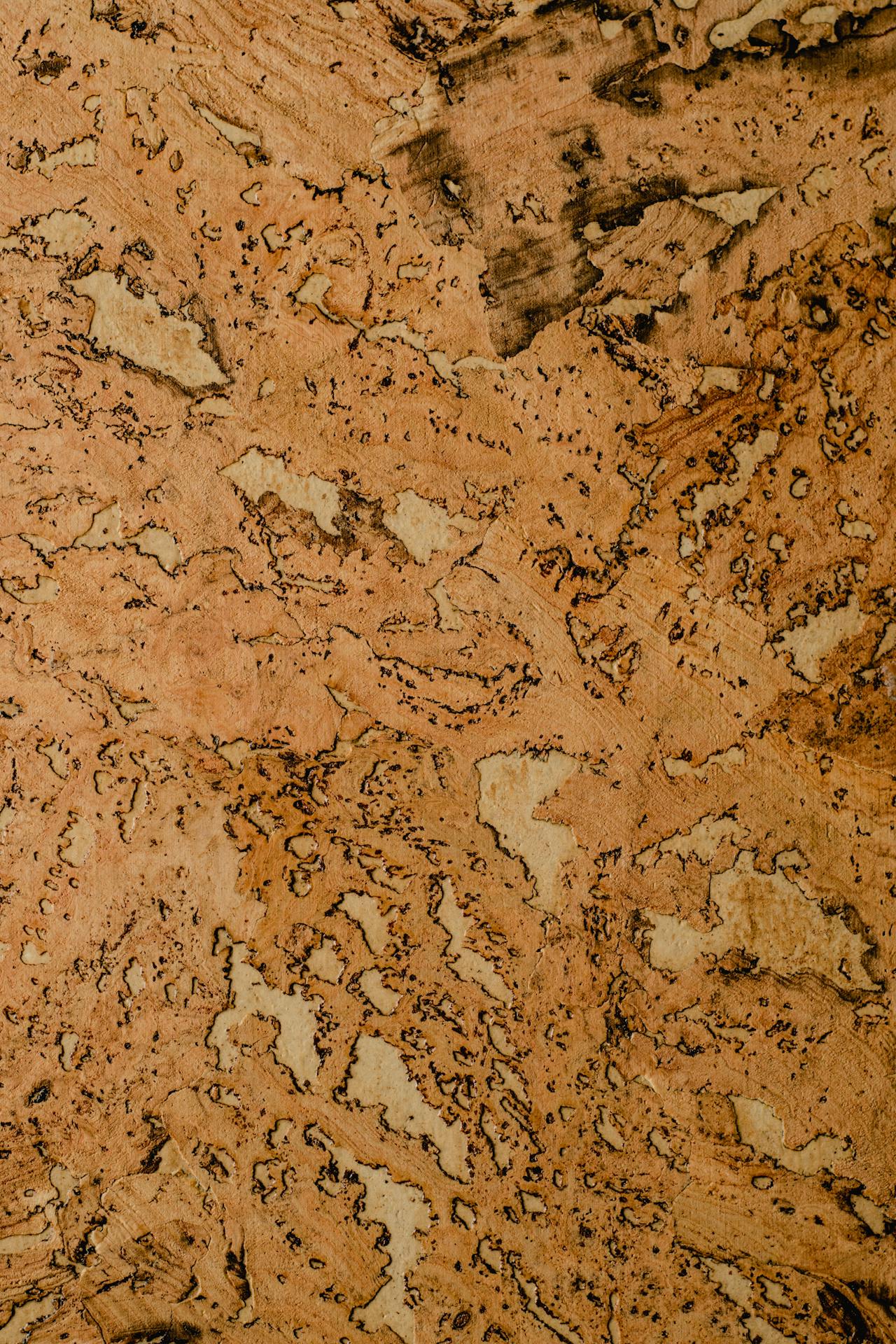
Vernacular Materials: Wood, Cork, Stone
Before industrial supply chains, builders used what the place offered. Timber, cork oak, and local stone regulate humidity, improve thermal mass, and age with extraordinary grace. We look for homes where the material palette is an honest response to the landscape.
Aerothermal Systems & Energy Efficiency
Aerothermal heat pumps extract energy from ambient air at a coefficient of performance no gas boiler can match. Combined with passive design — orientation, mass, shading — they achieve near-zero energy homes without any compromise on comfort.
 Cork
Cork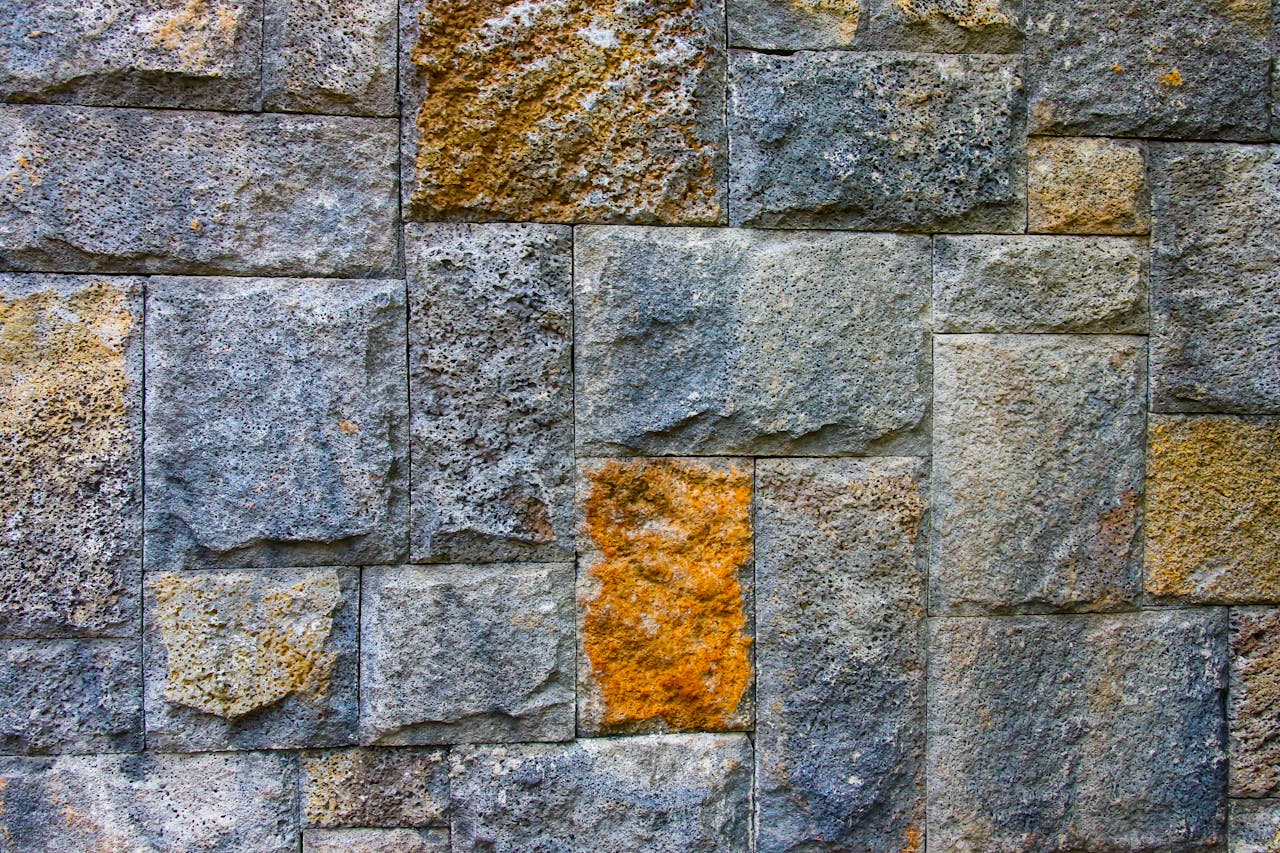 Stone
Stone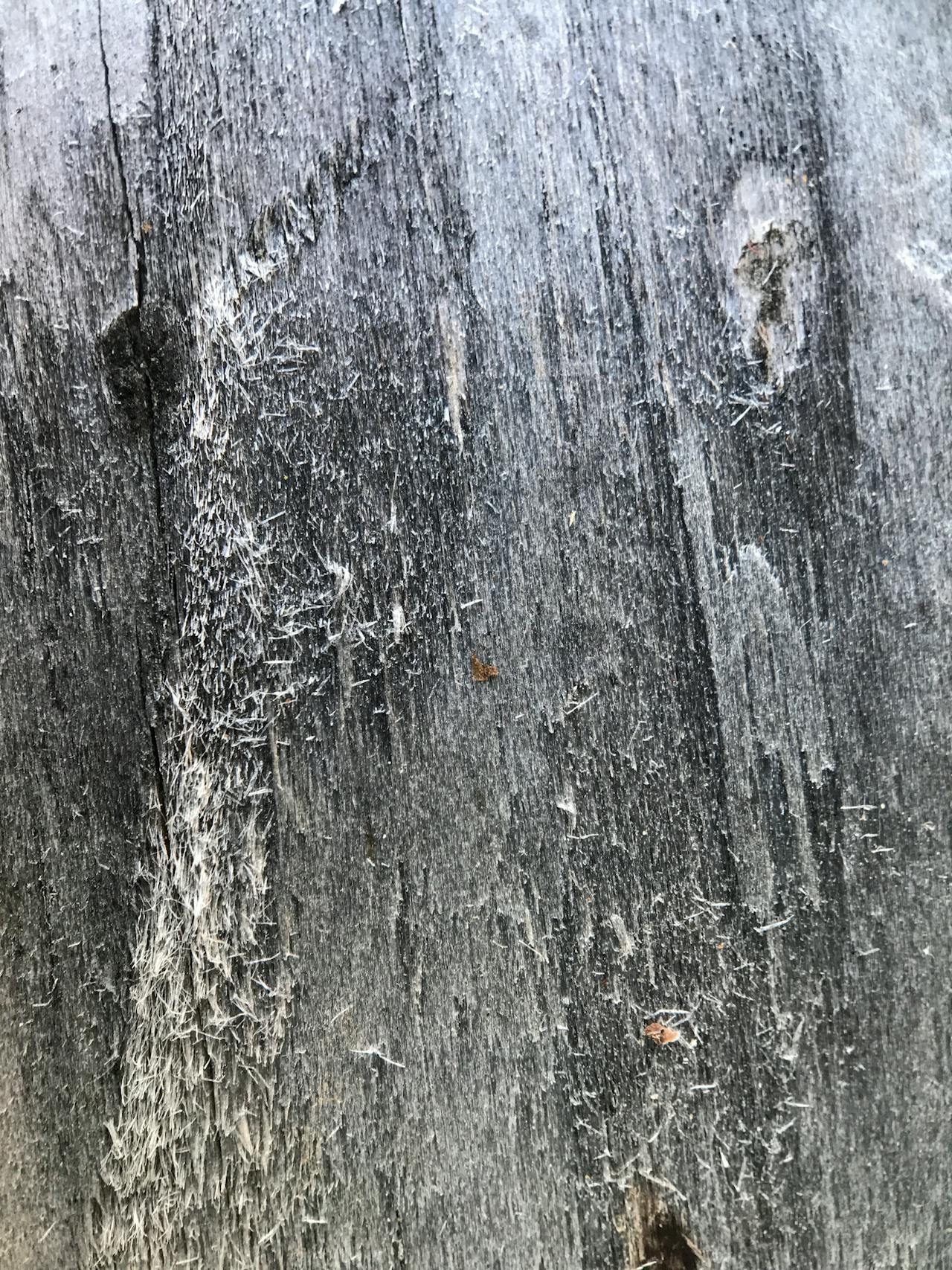 Wood
Wood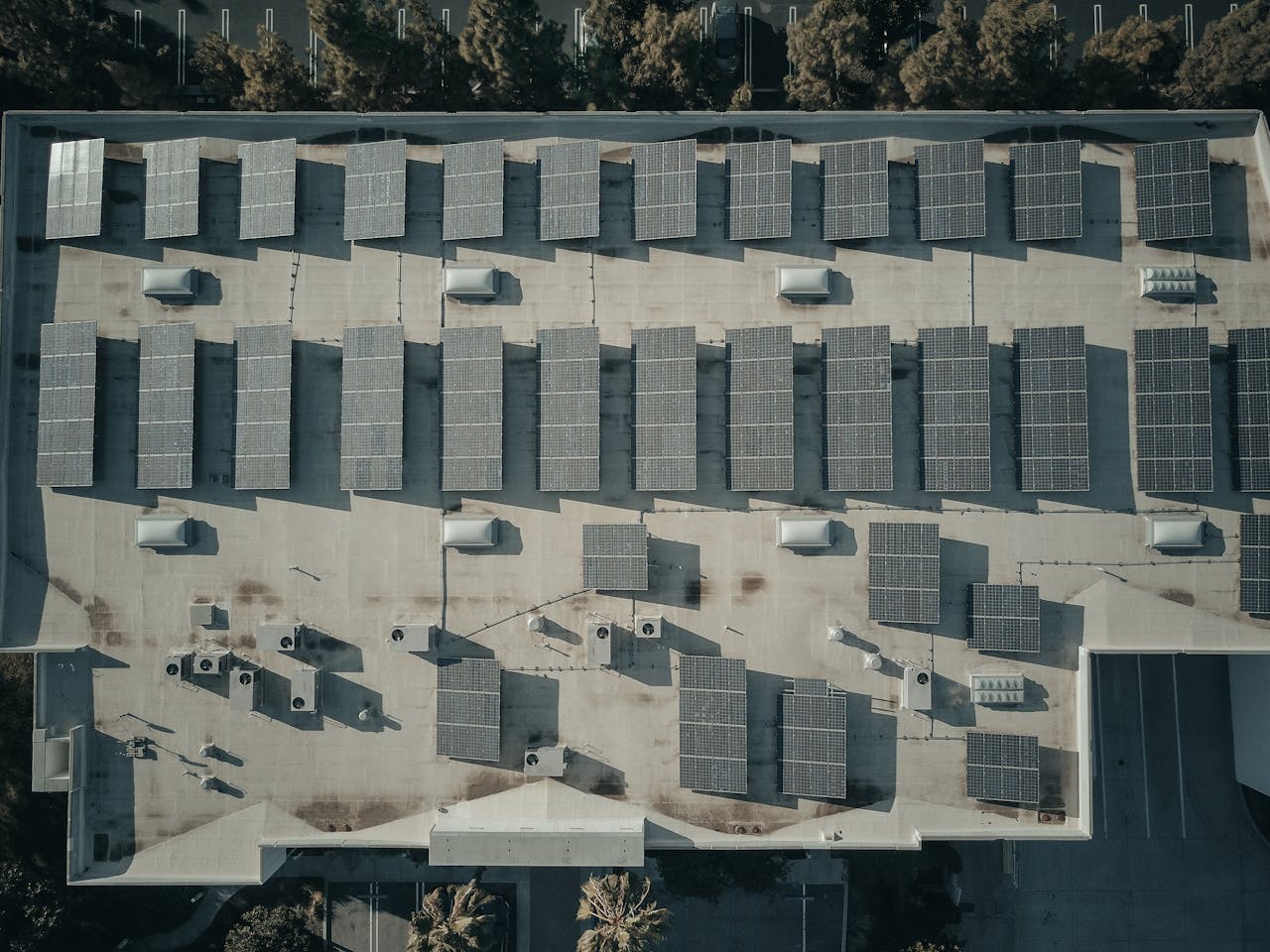 Aerothermal
Our Land
Sustainable Architecture in Spain
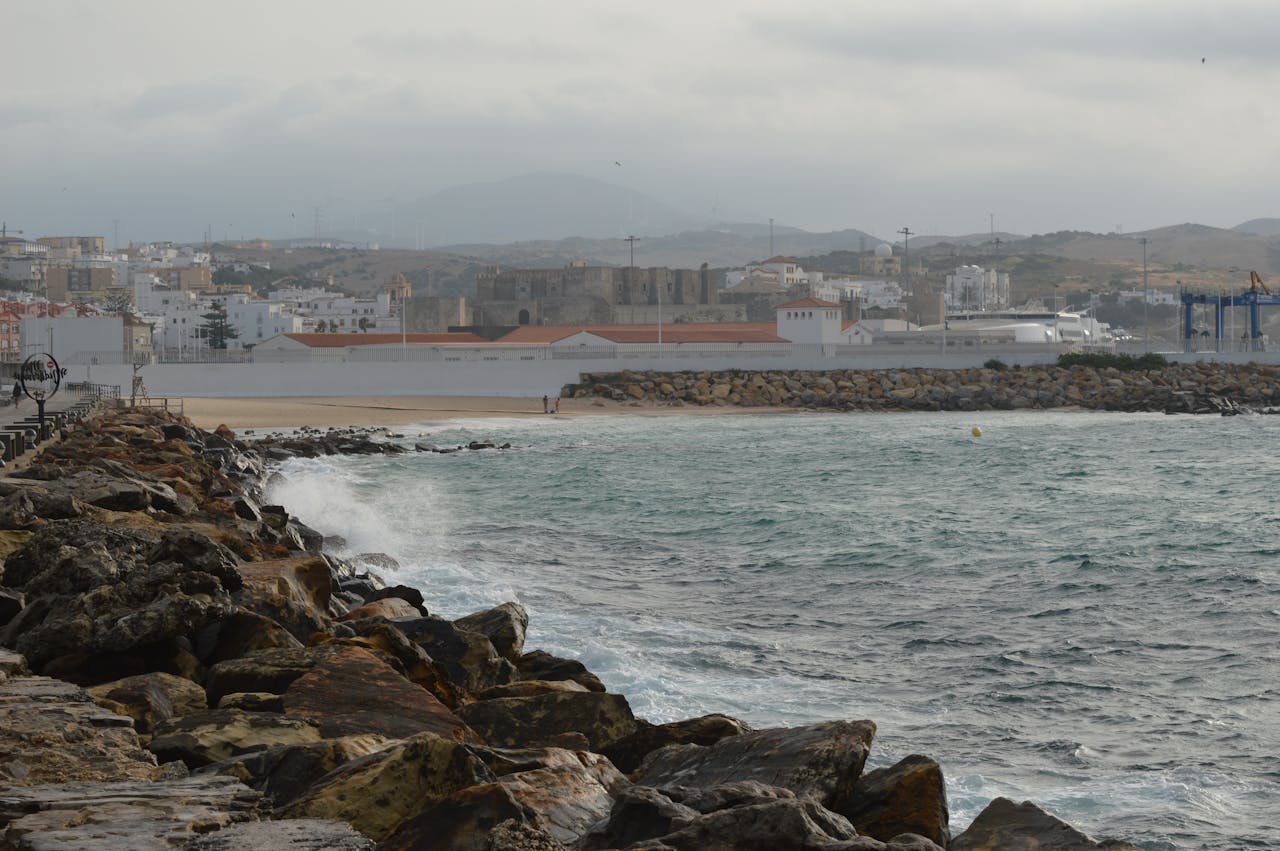
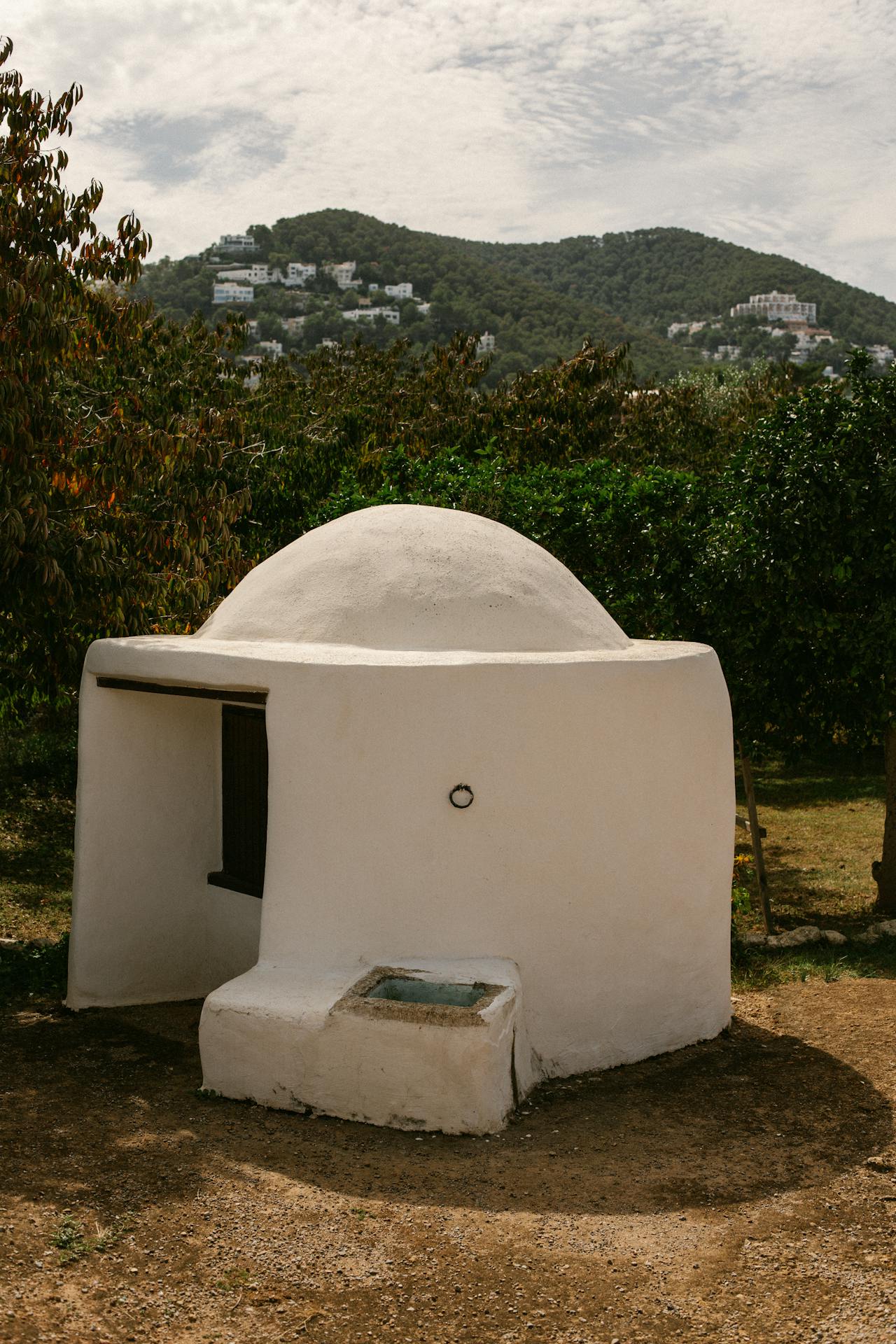
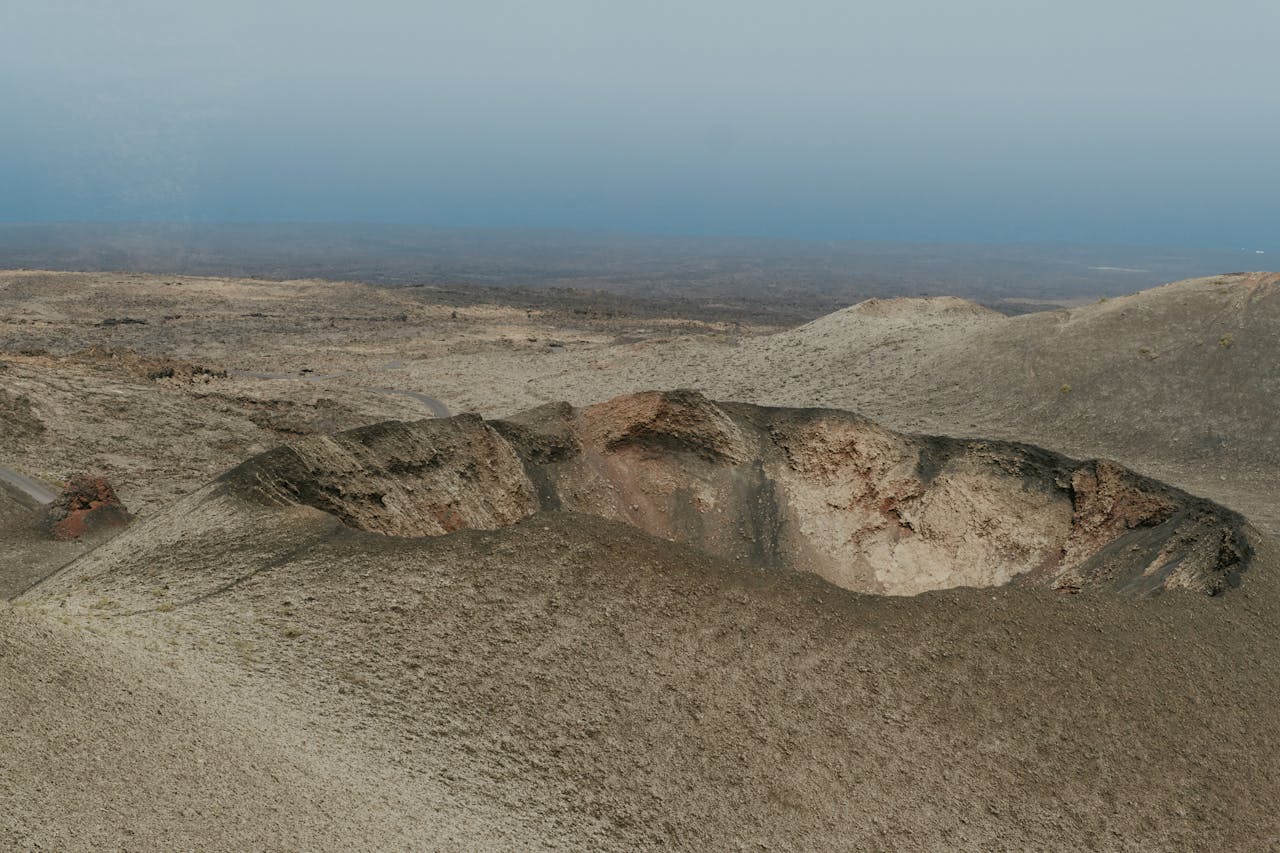
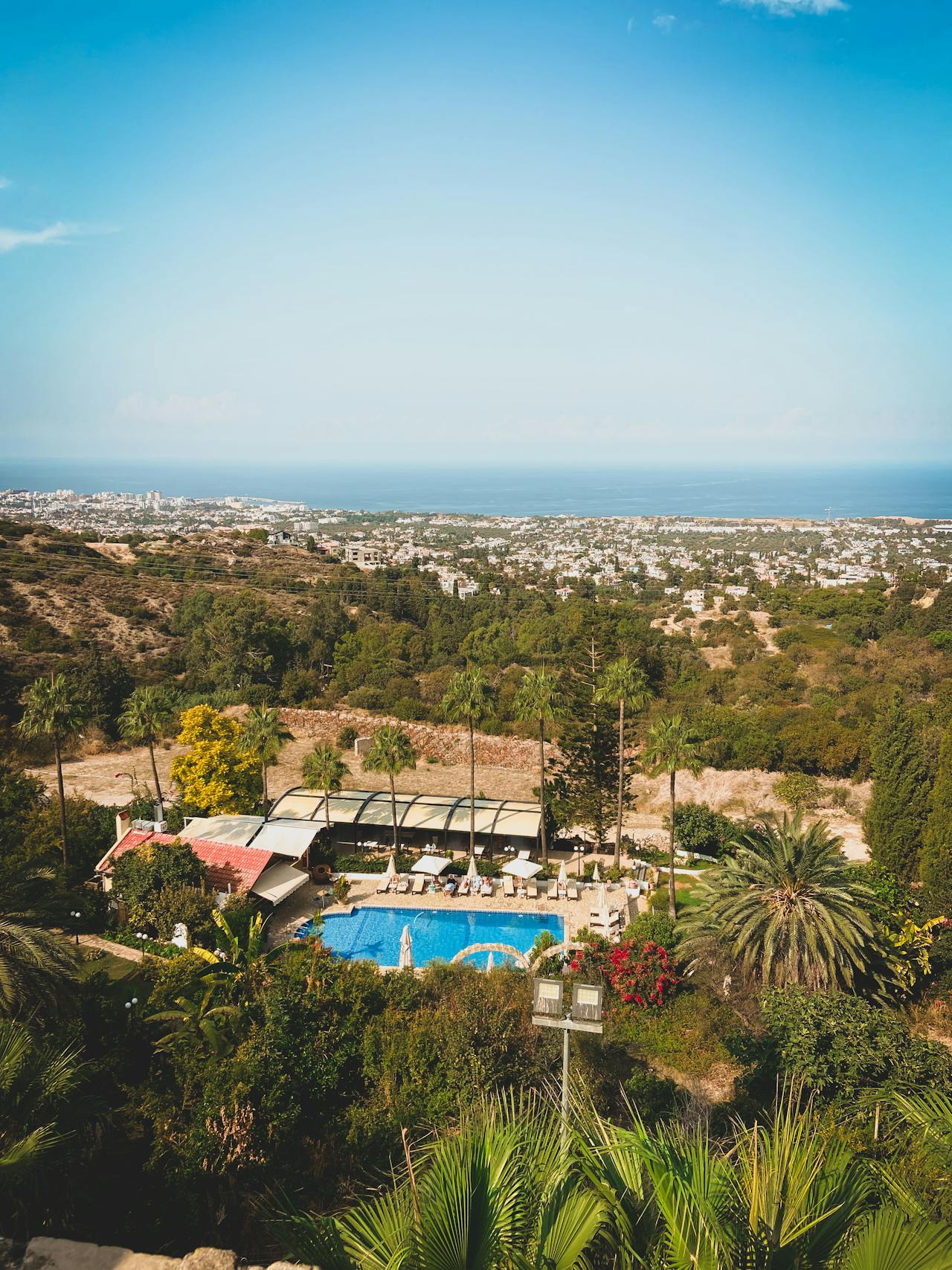
We know the terrain. Before looking abroad for inspiration, we look at what already exists at our feet — the most intelligent architectural responses to the Mediterranean climate are born here, in Spain.
Local Focus — Málaga & Cádiz
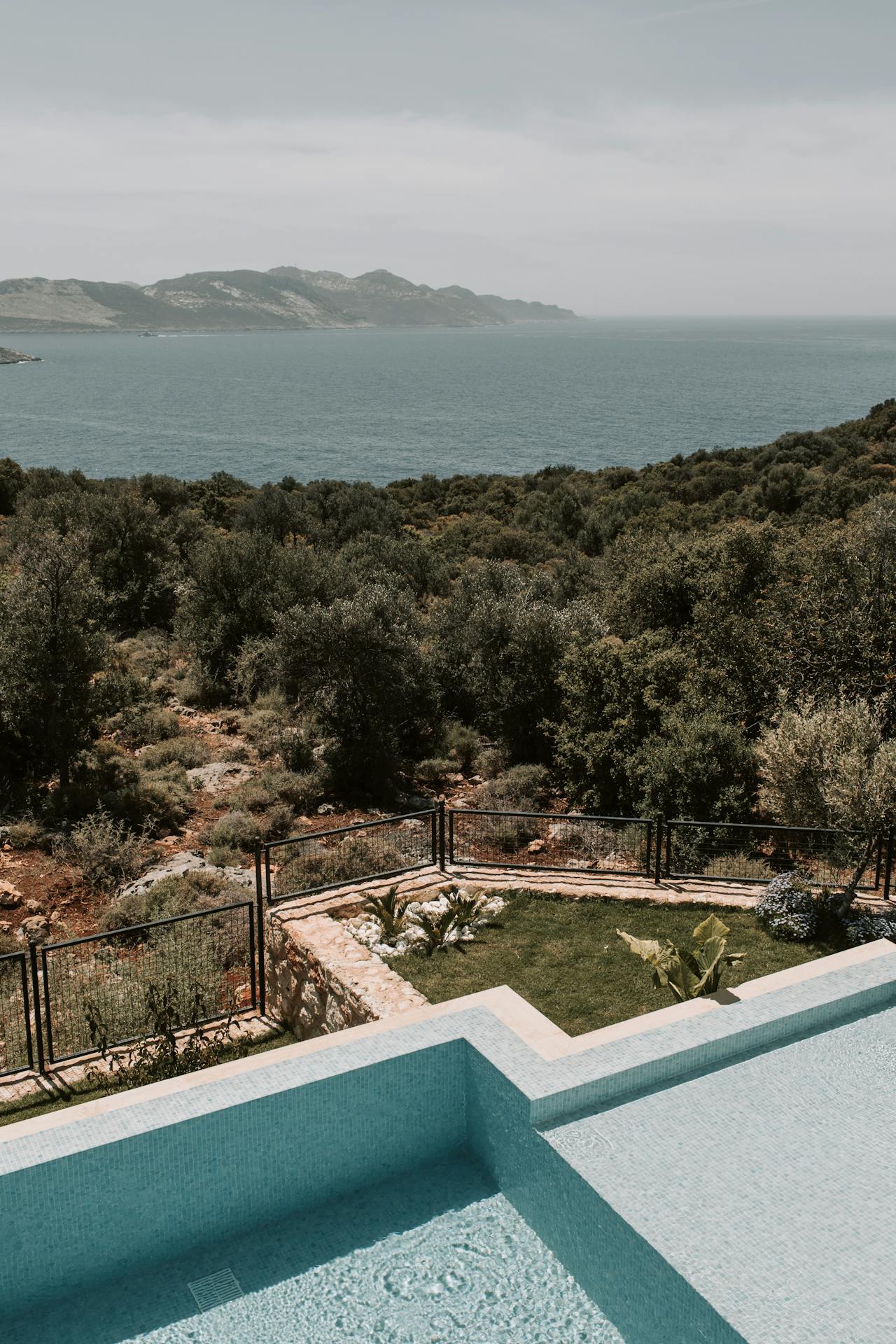
National Inspiration — Balearic Islands
National Inspiration — Canary Islands
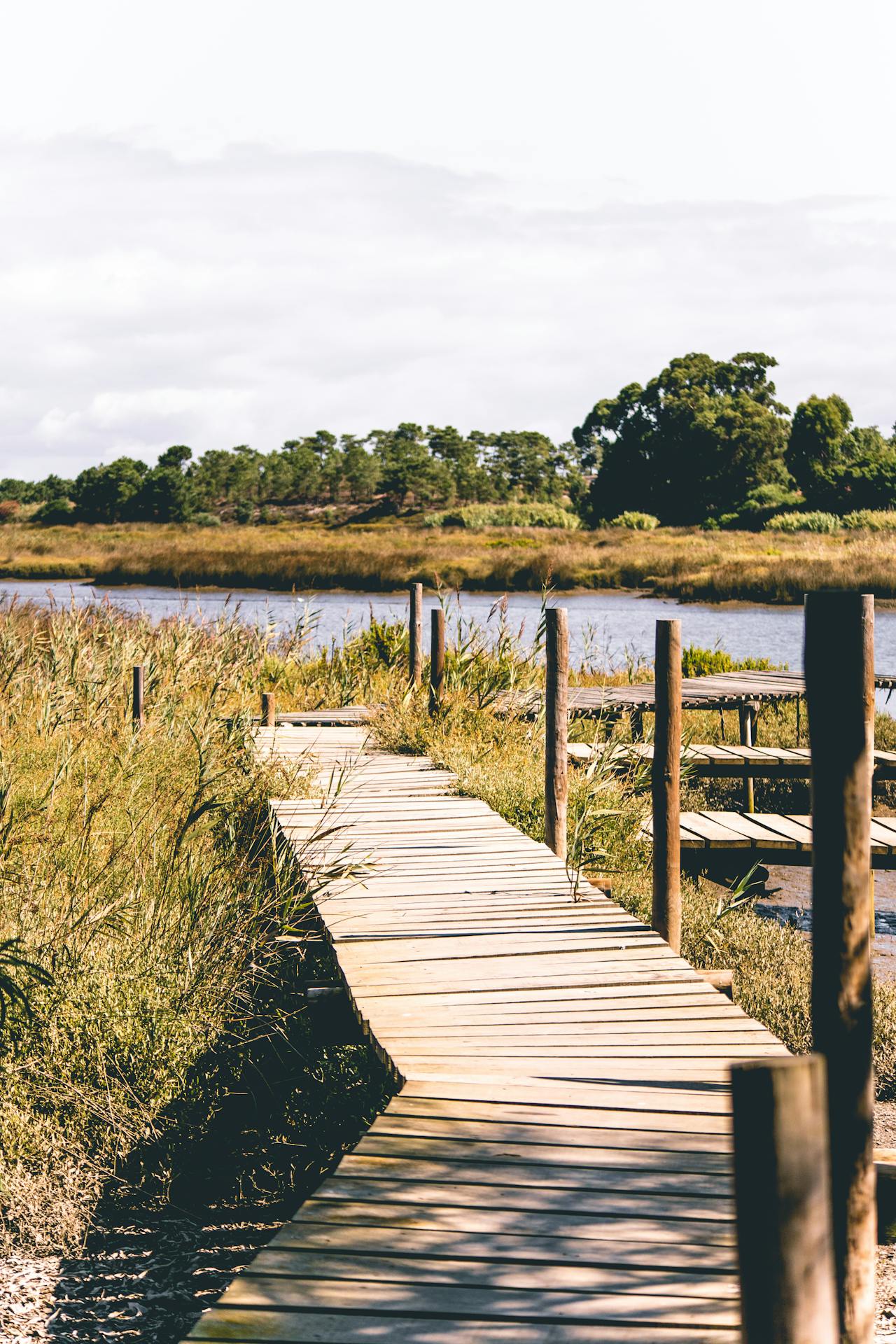
Kaluma Global Inspiration
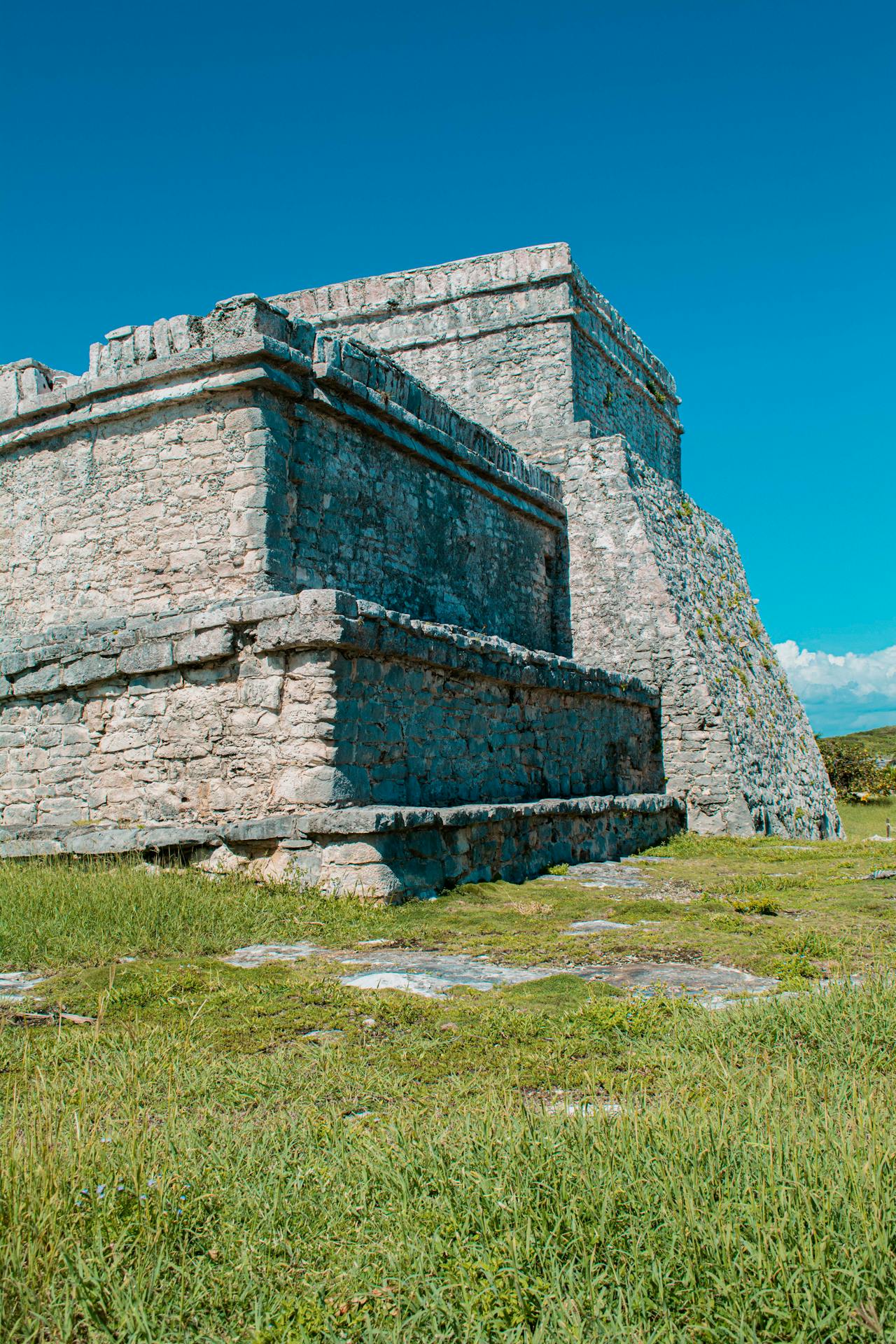
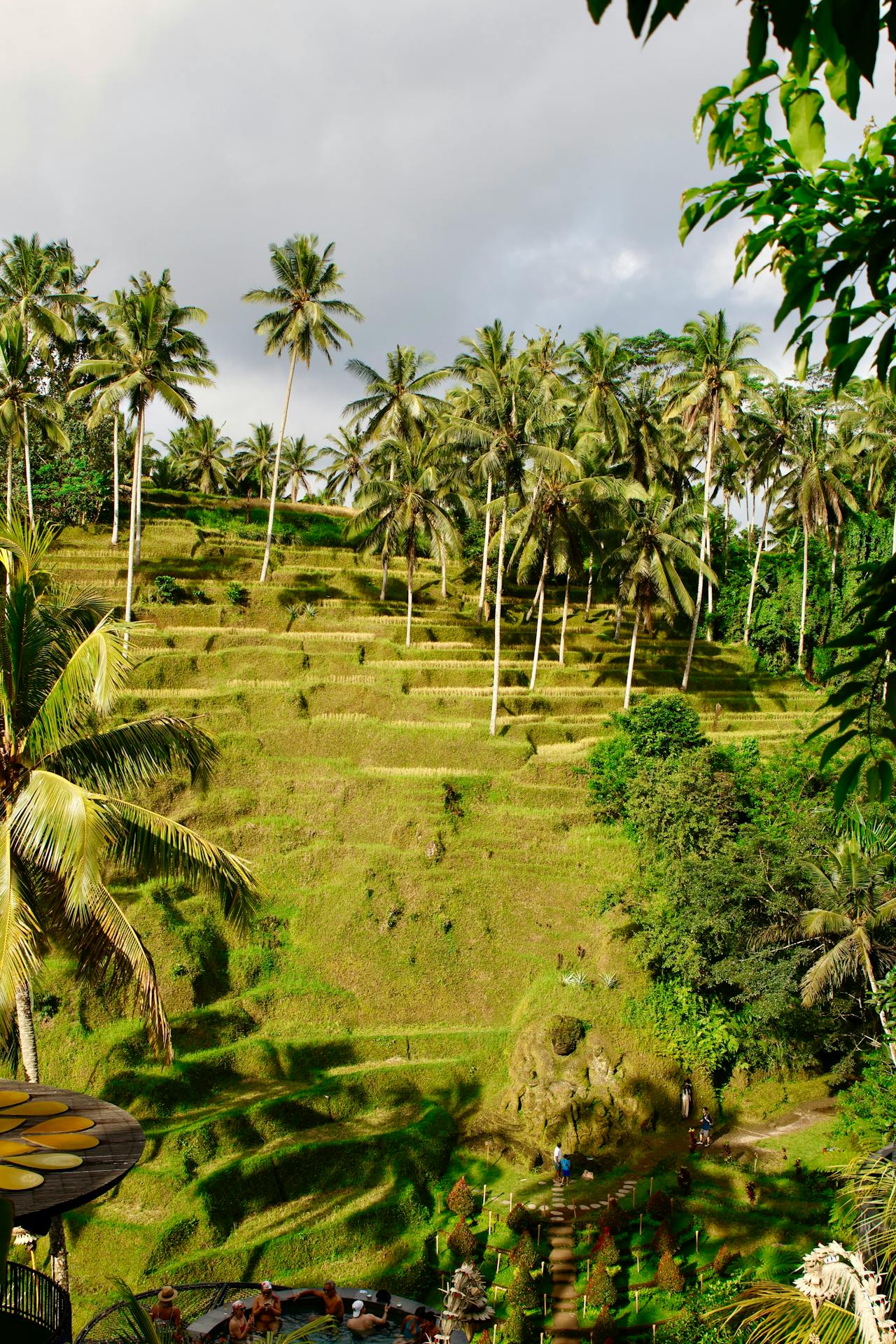
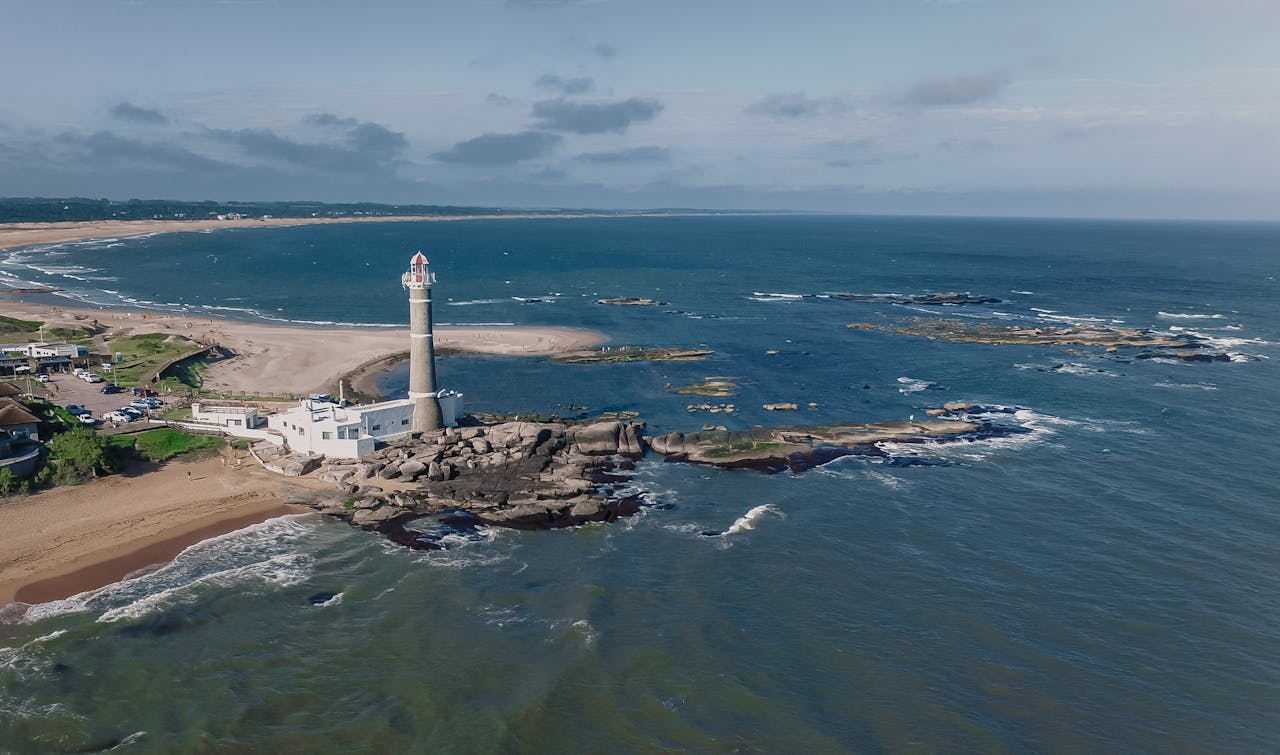
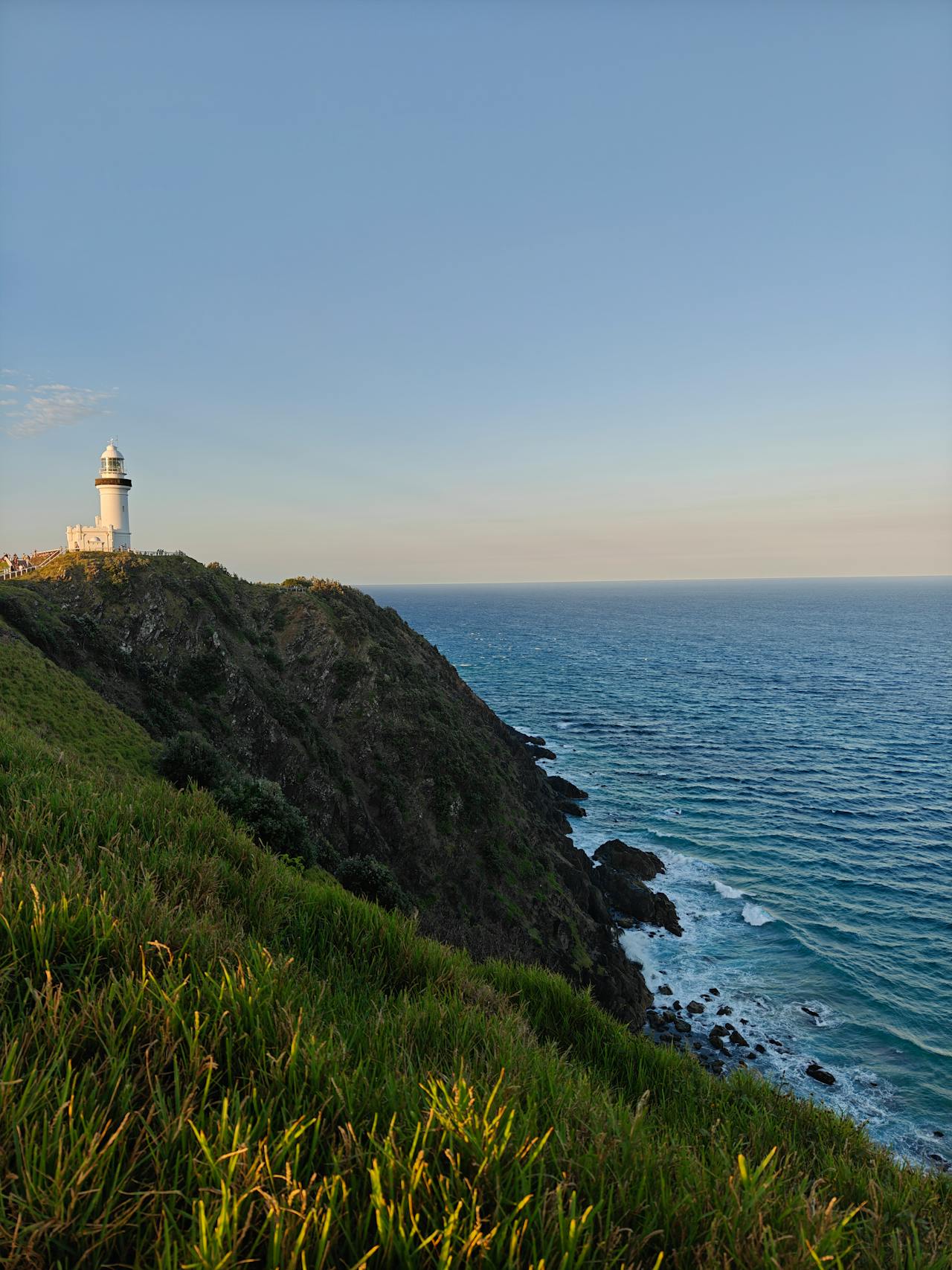
Global Horizons
What inspires us from the rest of the world — destinations where architecture and landscape have found a perfect dialogue. We bring those lessons back to Andalusia.
What we look for
The questions we ask of every property
Does it work with its setting?
Not just positioned within the landscape — genuinely in conversation with it. The light, the winds, the view corridors, the seasonal changes.
Are the materials honest?
Local stone, untreated timber, hand-finished surfaces. Materials that improve with age rather than requiring replacement every decade.
Can it breathe?
Cross-ventilation, mature trees for summer shade, terraces oriented correctly for the season. A home that runs cool without mechanical effort.
Will it cost less to live in?
Solar properly sized, water management designed for this climate, insulation that works here. The infrastructure of a home that runs efficiently over time.
Common questions
Nature, biophilic design & sustainability
What is biophilic design in luxury villas on the Costa del Sol?
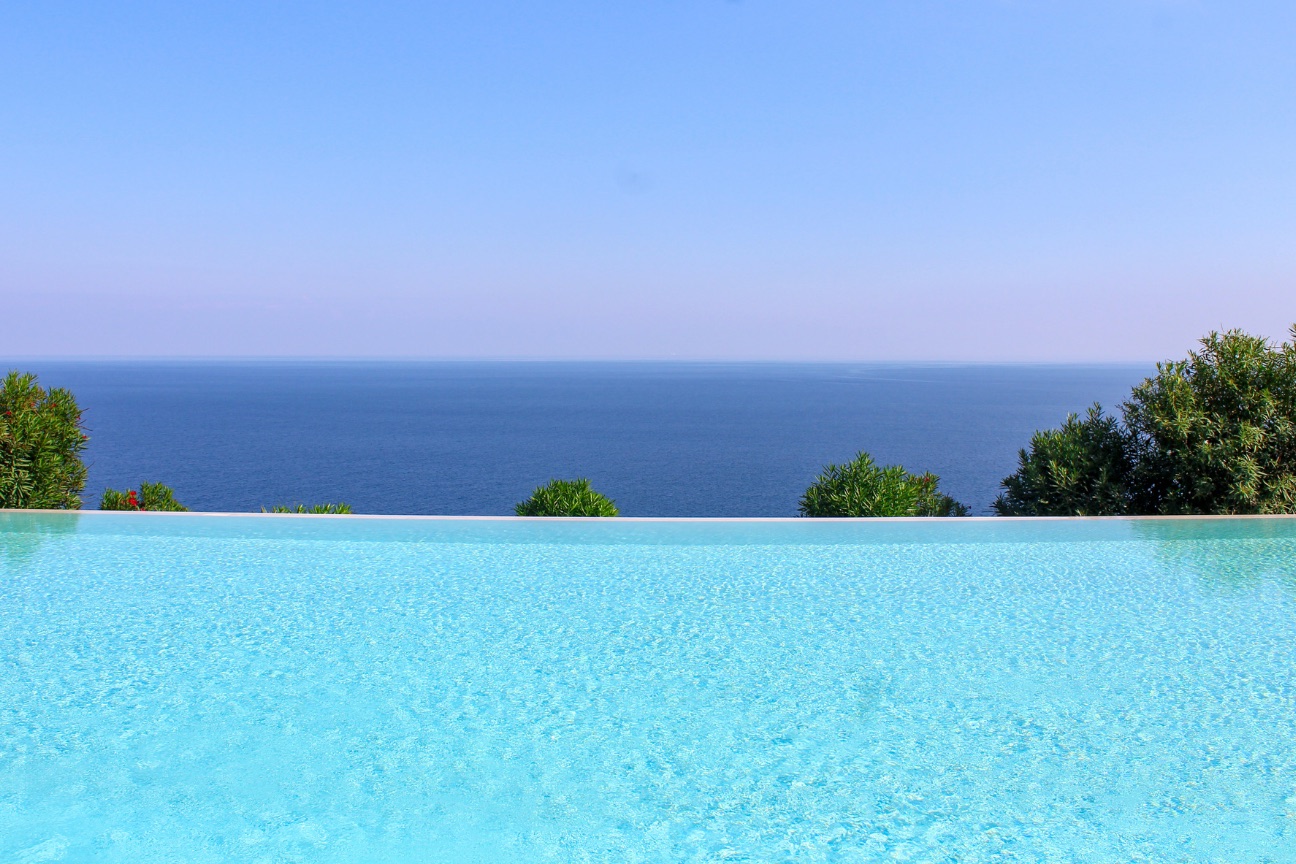
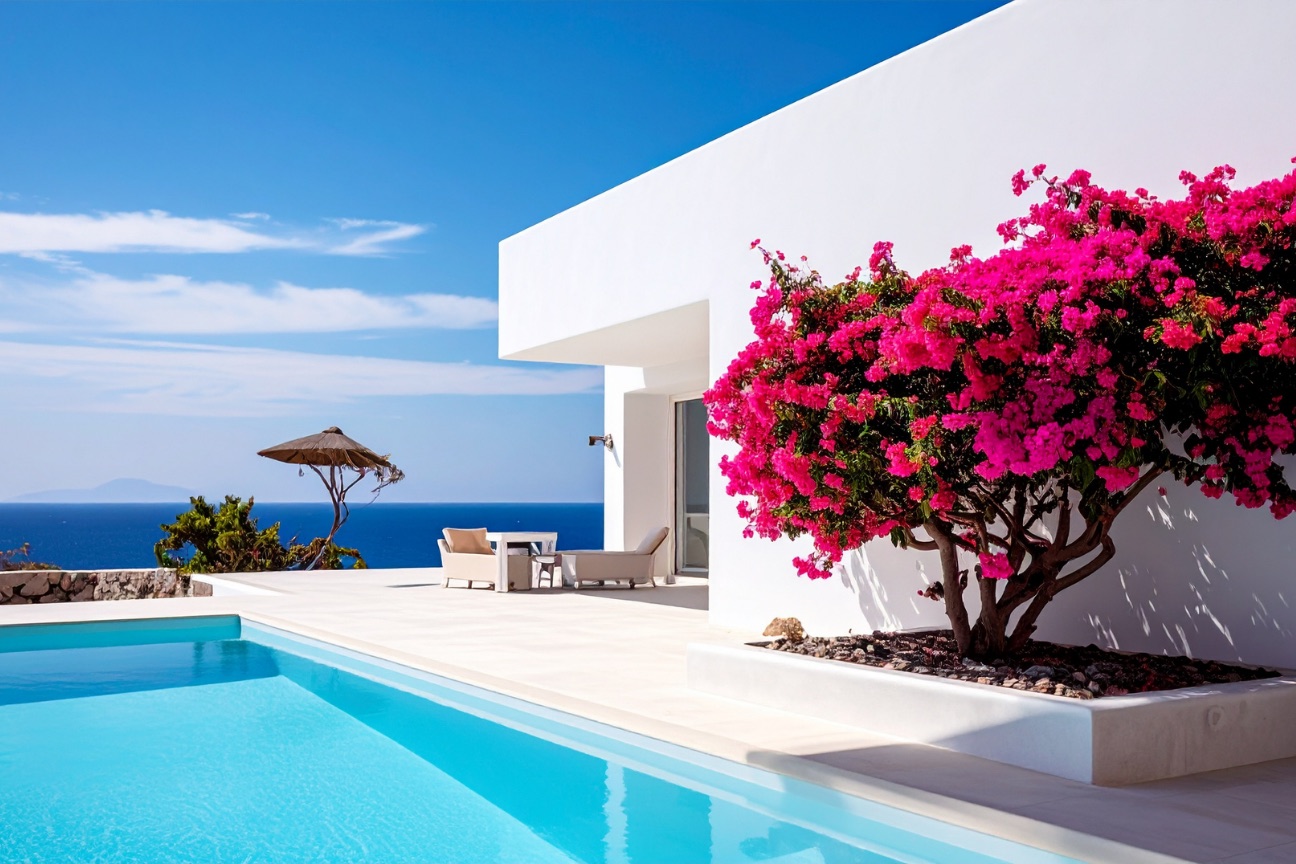
Biophilic design in luxury villas means creating a meaningful, living connection between the built space and the natural world around it. On the Costa del Sol, this includes natural stone and timber sourced locally, cross-ventilation that replaces air conditioning, living plant walls, pools that blur into the horizon, and orientation chosen to maximise natural light through the seasons. The result is a home that works with the Andalusian climate rather than against it.
Are sustainable luxury villas available on the Costa del Sol?
Yes, and increasingly so. The Costa del Sol luxury market has seen a significant shift toward sustainability in construction — solar installations that genuinely offset energy consumption, rainwater harvesting, native planting that requires no irrigation, and insulation and glazing specified for a Mediterranean climate. Kaluma Living specifically curates properties that meet these standards, both because they perform better as homes and because they represent stronger long-term investments.
What natural materials are used in high-end villas in Marbella?
The best luxury villas in Marbella use natural materials that are appropriate to the Andalusian environment: local limestone and sandstone for floors and exteriors; untreated solid oak and walnut for joinery; hand-finished plaster that breathes; terracotta and clay tiles on terraces. These materials age beautifully in the Mediterranean climate, developing a patina that synthetic alternatives cannot replicate.
How does the Andalusian landscape affect property design?
The Andalusian landscape — pine forests descending toward the sea, the Sierra Blanca rising directly above the coast, the particular quality of Mediterranean light and air — directly informs the best architectural responses to this terrain. Properties that work with this setting orientate principal rooms to capture prevailing breezes, use mature planting for shade rather than mechanical cooling, and frame views that connect the interior to the specific character of the land they occupy.
Explore the Kaluma Way
Four dimensions of one vision
Find a home that belongs to its landscape
We curate properties on the Costa del Sol and Costa de la Luz where the relationship with nature is built in — not an afterthought, not a marketing claim, but the foundation of how the home was conceived.