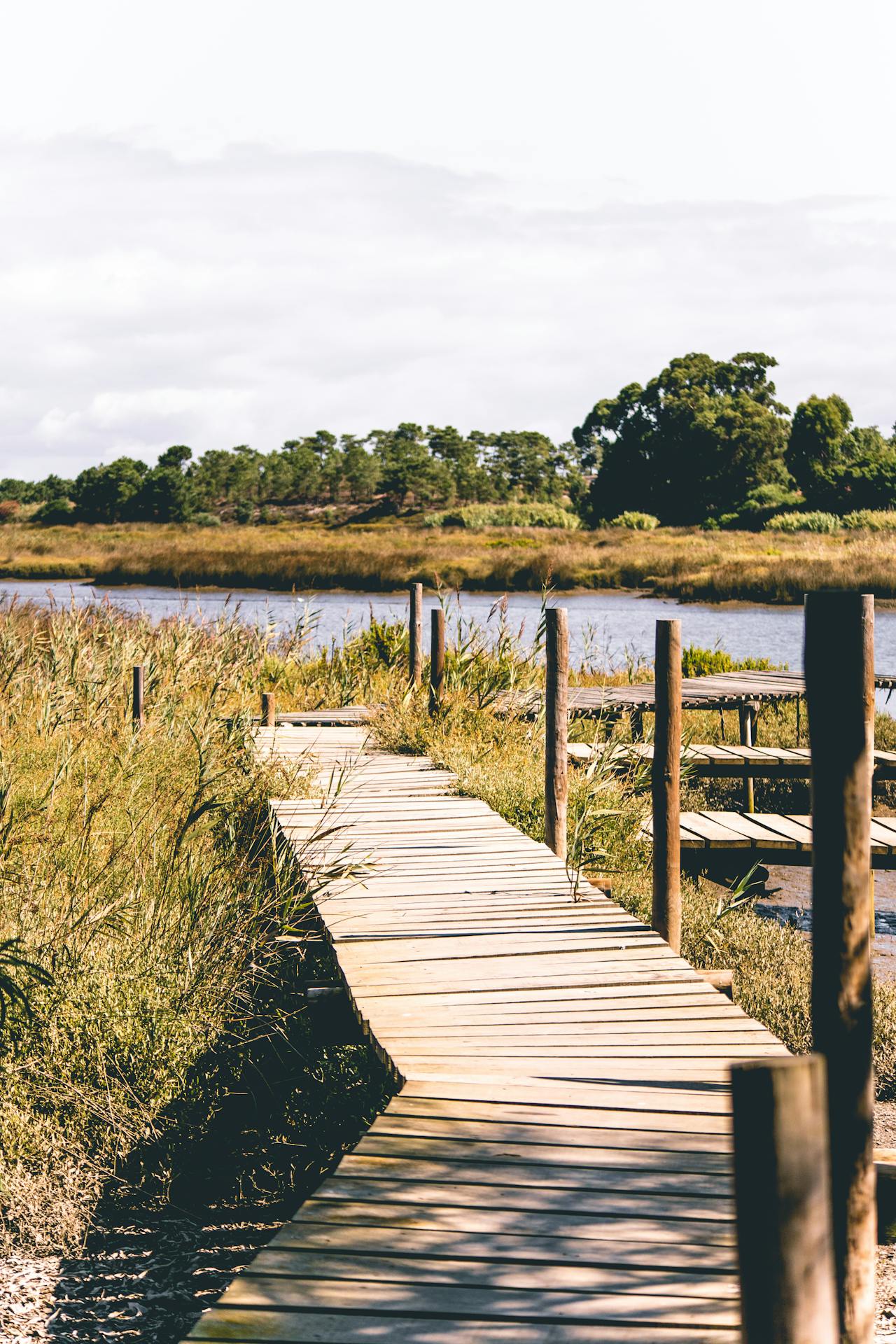
Portugal · Comporta / Alentejo
Discretion as Luxury
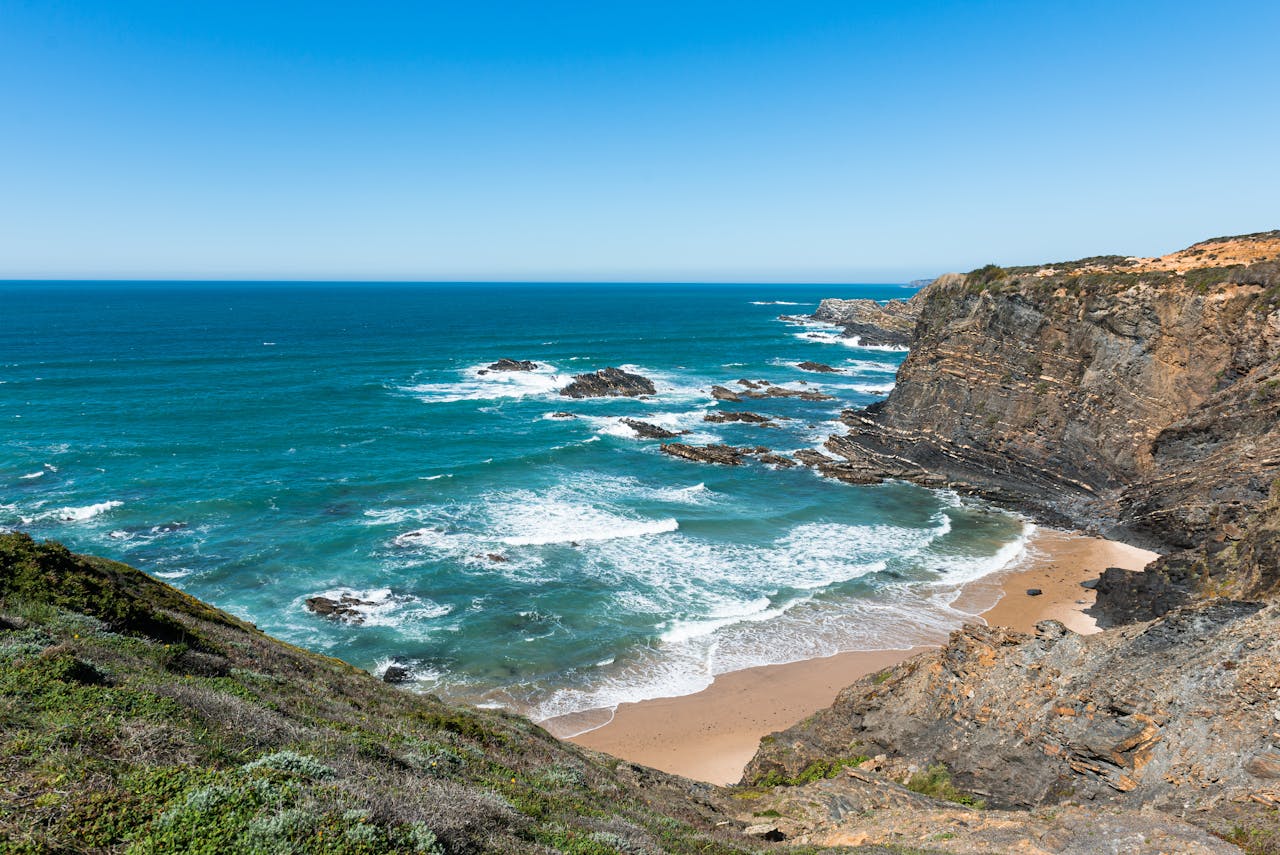
170 km of undisturbed Atlantic coastline where pine forests meet white sand. The architecture here grew from a single collective refusal — to let money speak louder than the landscape.
The architecture of refusing
Comporta arrived on the international radar not because it advertised itself, but because it did the opposite. There are no neon signs, no high-rise hotels, no lobby designed to impress on arrival. What there is: a coastline of extraordinary stillness, pine forests that reach the water's edge, and houses built low into the dunes as if they would rather not be noticed.
The original structures were palafitas — fishing huts on stilts, built from local pine and rice straw, the same materials the landscape offered for free. When architects and city money arrived, the better ones understood that the correct response was not to ignore this language but to continue it. Thatched roofs over contemporary plans. Whitewashed walls that absorb light rather than reflect it. Floors of local stone that stay cool through August without mechanical help.
The result is a place where luxury expresses itself through what is not there. No ornamentation that does not serve a purpose. No material imported when a local one exists. The discipline required to build this way is, paradoxically, more difficult and more expensive than the conventional alternative — which is precisely why so few places achieve it.
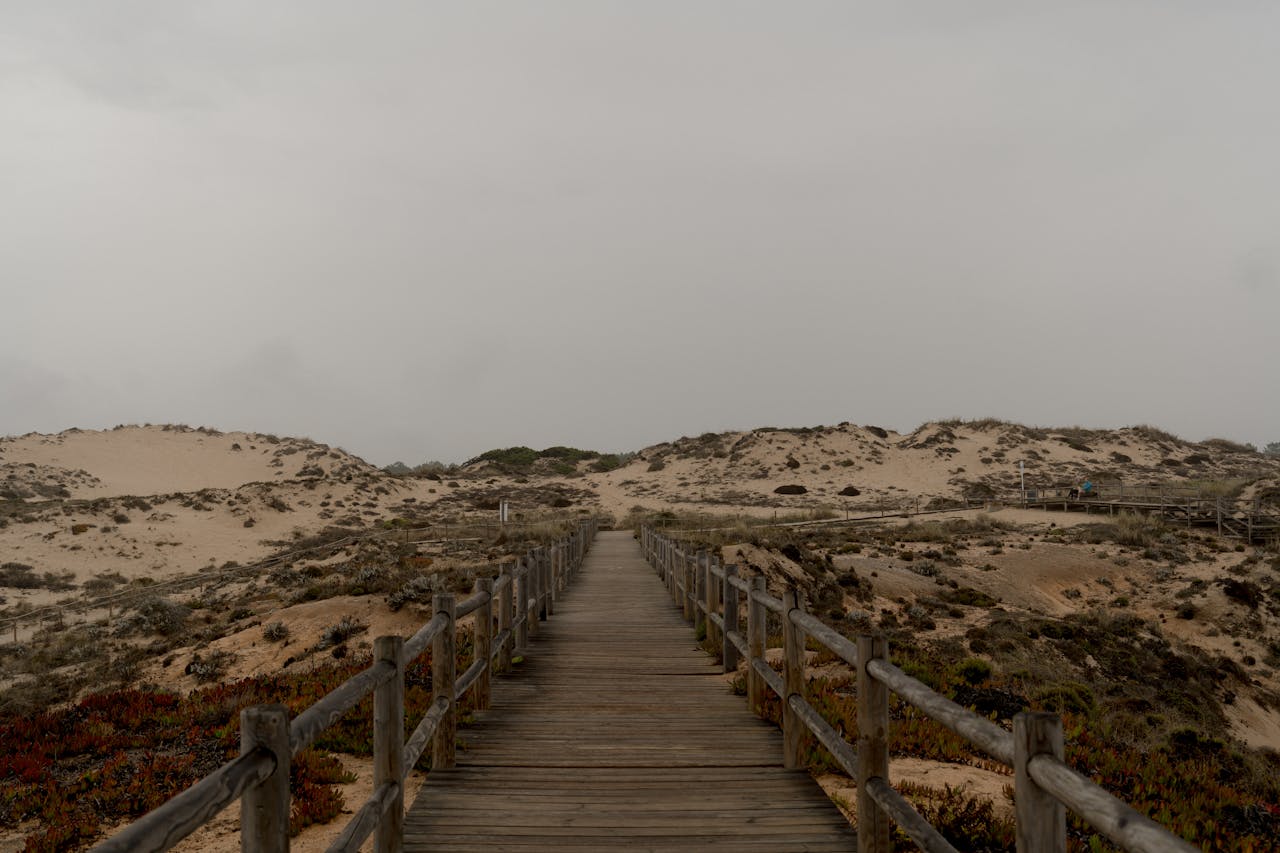
“The most radical act in Comporta is to build something that does not call attention to itself. The landscape does the work — the architecture simply gets out of the way.”
Kaluma Living
What the straw roof knows
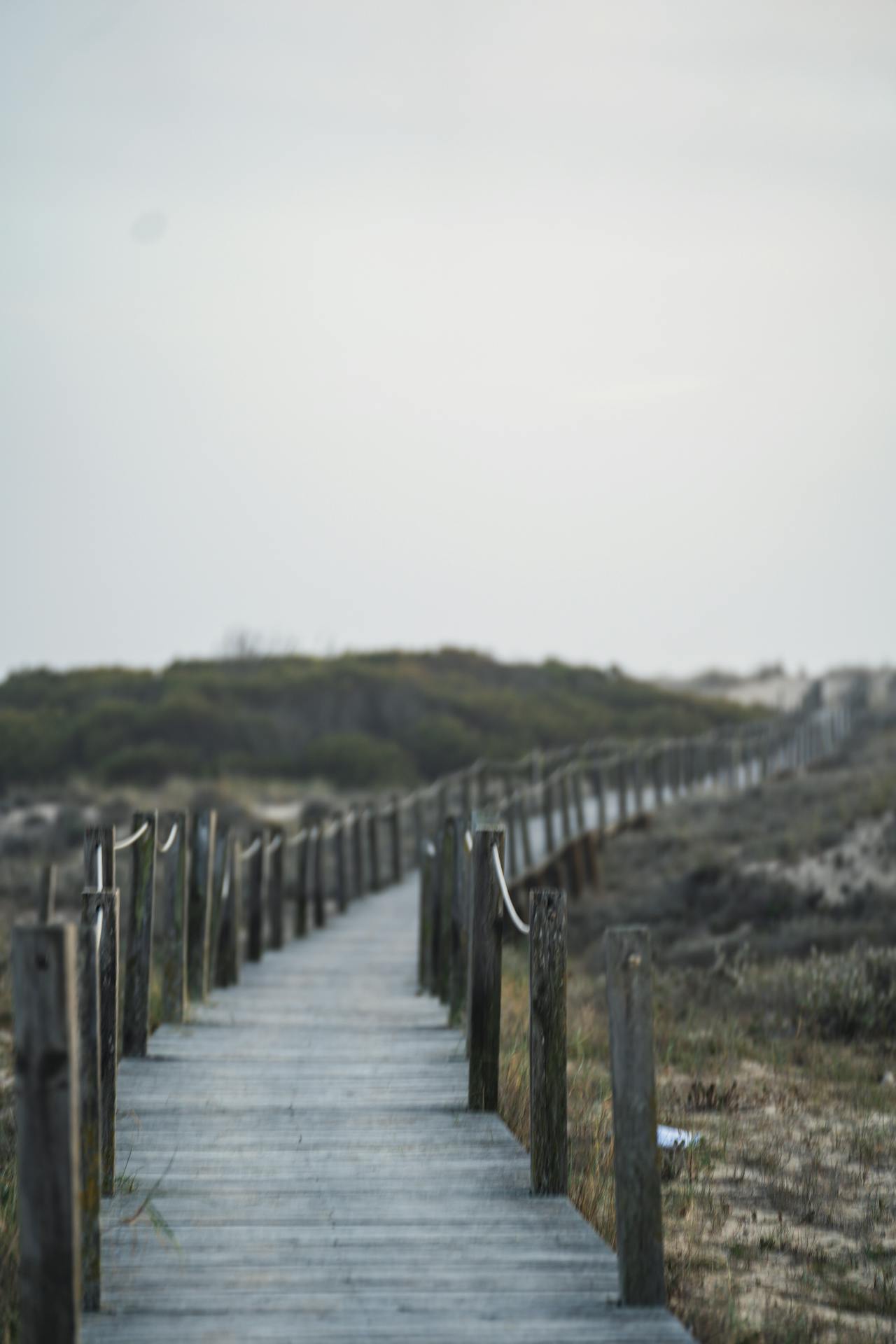
The vernacular architecture of the Alentejo — where Comporta sits — developed its logic over centuries of Mediterranean summers and Atlantic winters. The thick adobe walls store coolth during the night and release it through the afternoon. The deep window reveals keep direct sun off the glass for all but a few hours of the day. The straw roof provides insulation that modern synthetic alternatives still struggle to match.
Contemporary architects working in Comporta — and the best of them are working here — have understood that these principles are not decorative references but functional systems. Six Senses, opening its Comporta residences in the Pinheirinho estate, has committed to native planting and passive cooling as standards rather than features. The contemporary payés-style houses that have attracted Lisbon's most discerning buyers sit in the landscape as if they predate the road.
What we carry back to Andalusia
The Comporta lesson is not stylistic — it is philosophical. It is about what a developer is willing to refuse: the taller building, the imported stone, the swimming pool that could have been smaller. The restraint required to build at human scale when the market would support something larger.
On the Costa del Sol, this translates to properties where the garden is a continuation of the surrounding vegetation rather than a contrast to it. Where the orientation was chosen for the angle of the autumn sun, not the summer photograph. Where the natural materials are sourced from Andalusia, not from a quarry in Asia. Comporta proves that this is not an aesthetic preference — it is the foundation of long-term value.
Looking for a home that belongs to its landscape?
We curate properties on the Costa del Sol and Costa de la Luz where the relationship with nature is built in — not an afterthought, not a marketing claim, but the foundation of how the home was conceived.