Kaluma Living · Lifestyle Guide
A Week
in Marbella
Seven days. A different way of living.
Scroll to begin
Marbella is not a destination. It is a disposition.
People who have lived here for years struggle to explain it precisely. The light, they say — always the light first. Then the pace. Then, after a pause, something harder to articulate: a particular quality of presence that the place seems to induce in those who let it.
This is not a hotel itinerary. There are no reservations to make, no queues to manage, no carefully curated version of experience being sold to you. This is seven days in Marbella lived as those who own property here live it — unhurried, deliberate, at the intersection of exceptional natural beauty and a way of organising daily life that most of us have, somewhere in our minds, marked as the destination we are working toward.
We wrote this for the people who are beginning to ask the question. You know who you are.
Arrival. The pace changes.
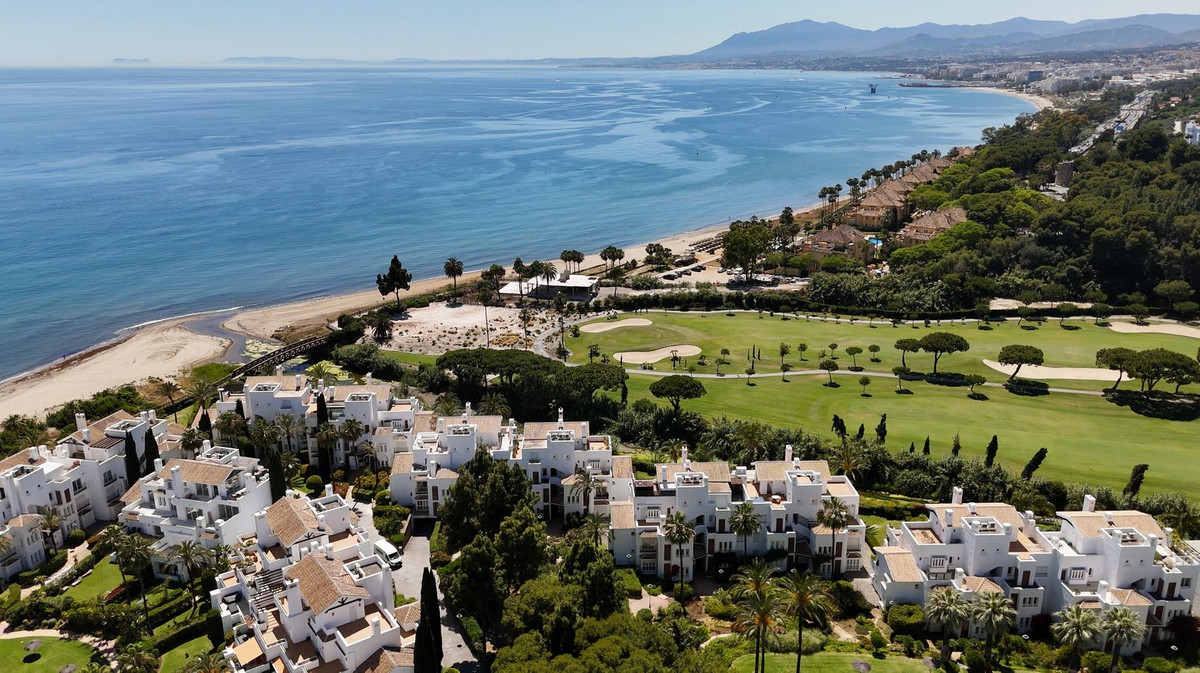
You land at Málaga airport at midday. The light hits differently here — harder, cleaner, more certain of itself. By the time your driver crosses the A-7 and the first glimpse of the Mediterranean appears between the hills, something in you has already begun to slow down.
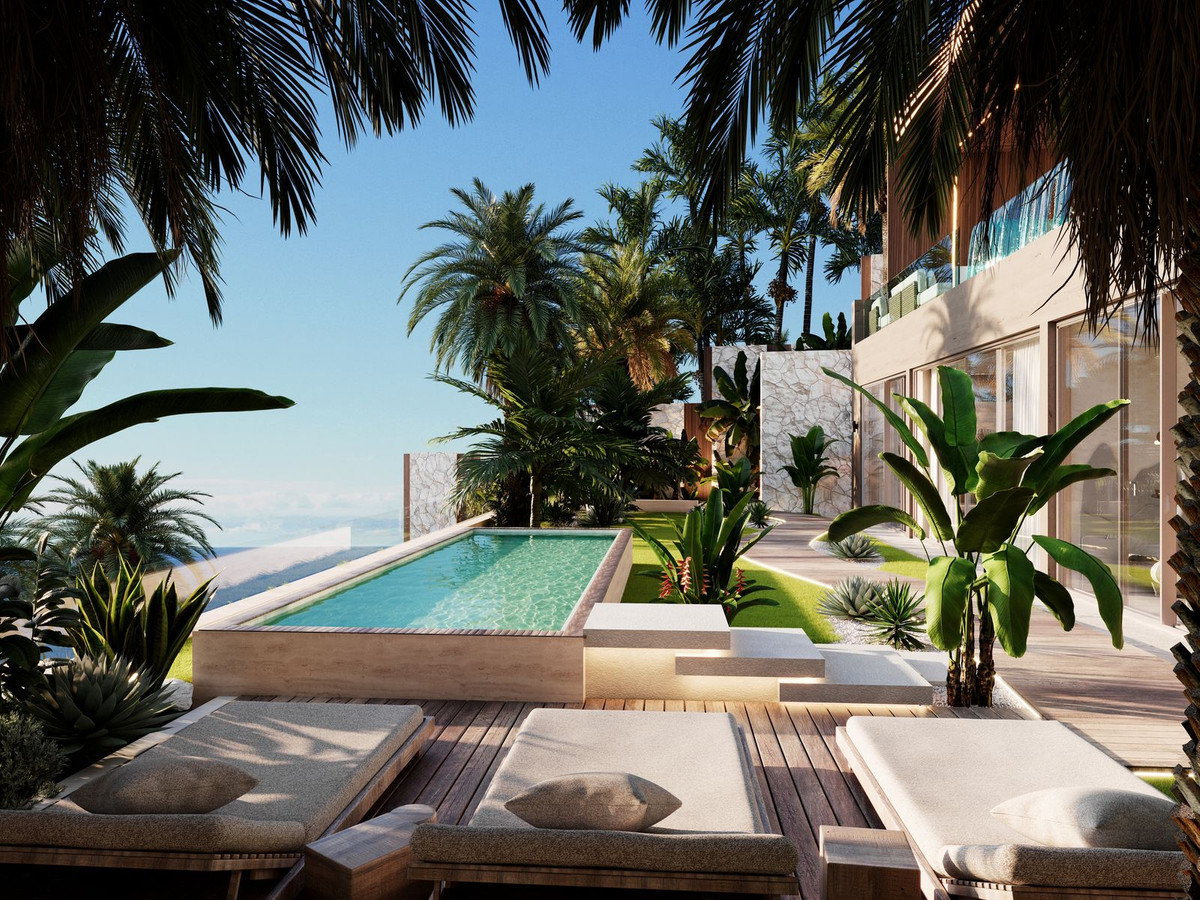
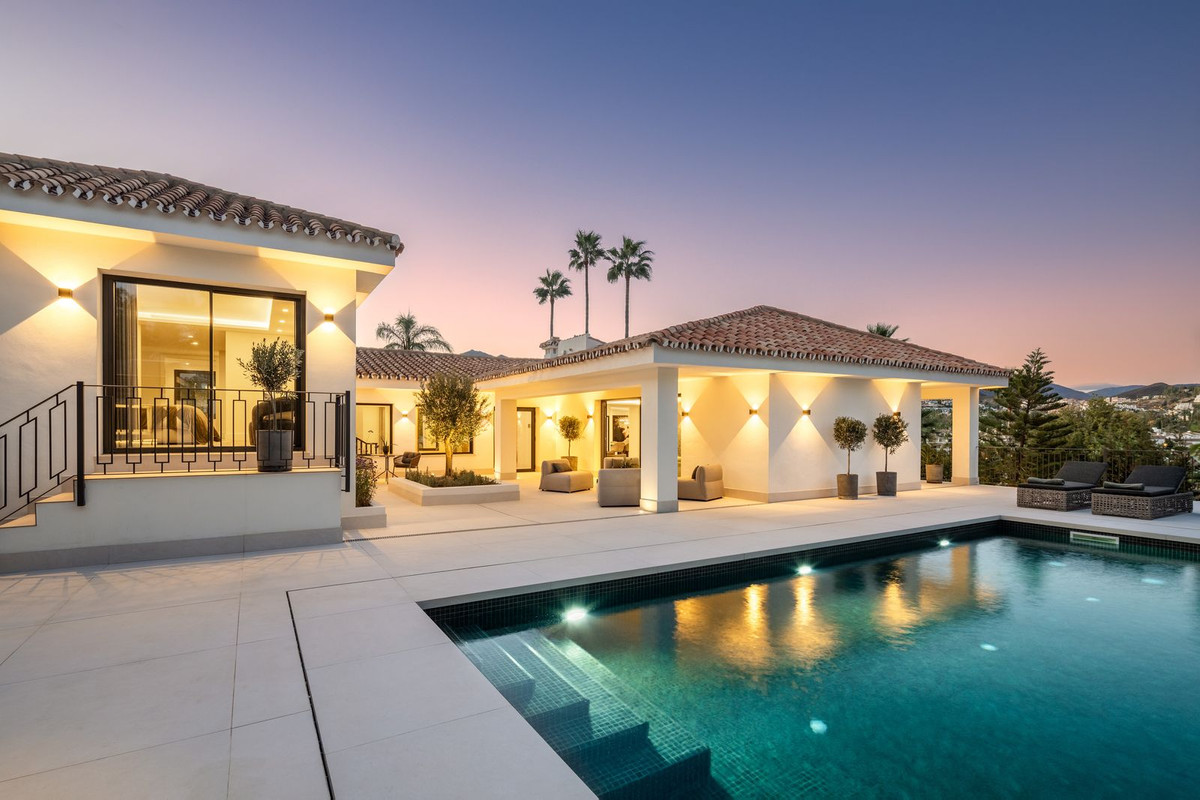
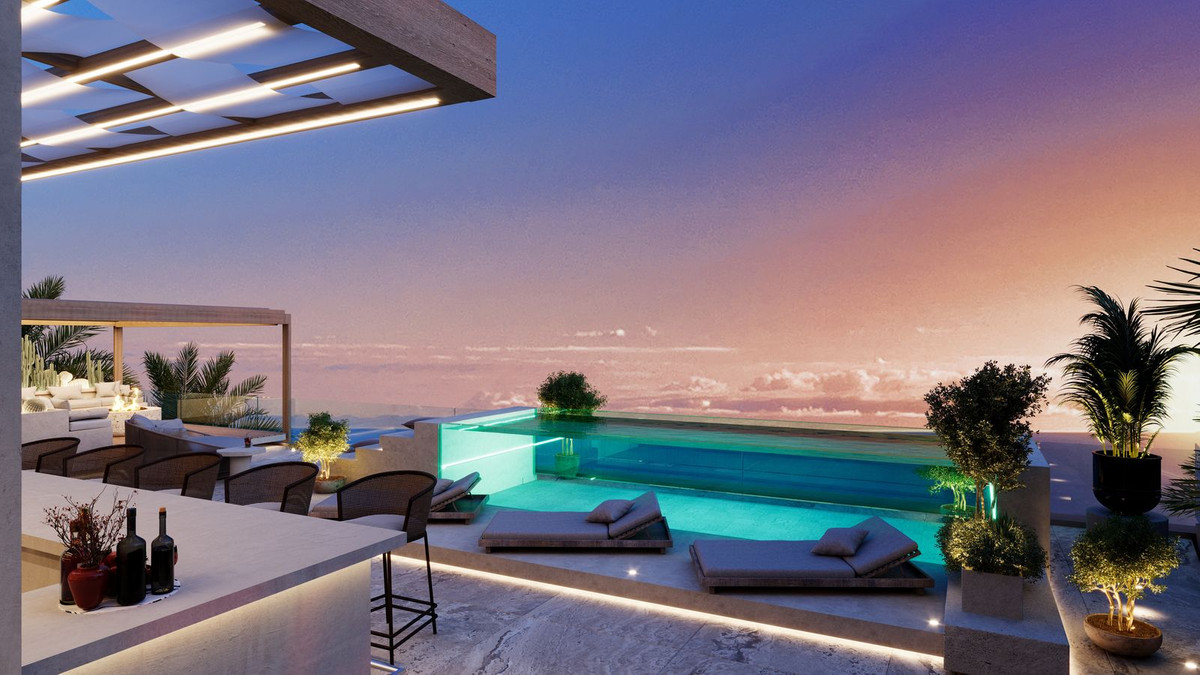
The villa is ready. A staff member opens the gate as you arrive; there is cold water and local fruit on the kitchen island, and the doors to the terrace have been left open. The pool is a shade of turquoise that looks almost designed. The mountains behind the house are still.
Marbella does this on arrival. It does not ask you to adjust to it — it simply presents itself, and you find that you do.
This afternoon there is nothing on the agenda. A swim. The sun moving across the terrace in long gold strips. Dinner on the same terrace, late, from a restaurant that delivered — grilled fish from the market, a bottle of Manzanilla. You go to bed with the windows open and wake, sometime in the night, to absolute silence.
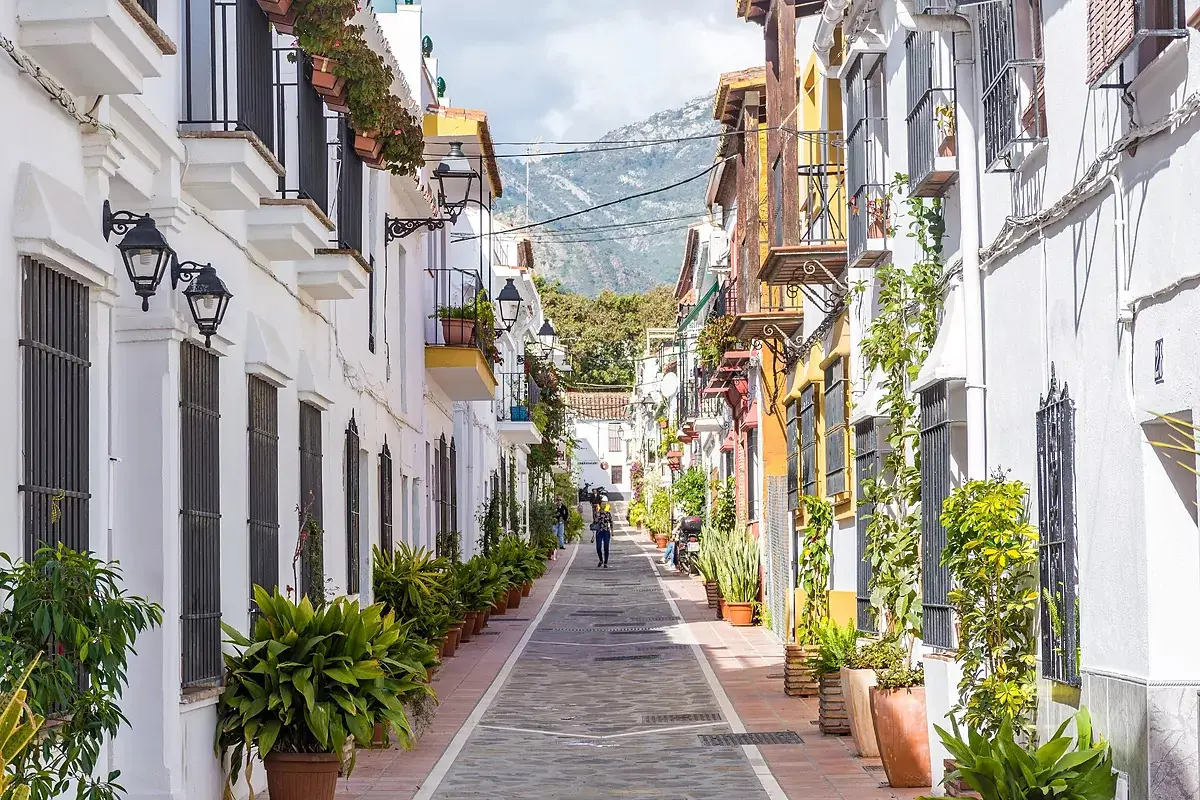
The morning belongs to you.
Wellness is not a marketing concept in Marbella. It is architecture. The outdoor yoga studio at the end of the garden was designed facing east, and at seven in the morning the light comes precisely as it should — low, warm, filtering through the bougainvillea.
There is a growing world of wellness infrastructure on the Costa del Sol that surprises people who still think of Marbella as the Puerto Banús of the 1980s. Pilates studios with sea views. Functional medicine clinics. Cold plunge facilities. A community of coaches, nutritionists, and movement practitioners that has quietly relocated here from London, Zurich, and Amsterdam.
After practice, breakfast on the terrace: local tomatoes, olive oil that tastes nothing like the supermarket version, fresh orange juice from the tree in the corner of the garden. This is not a hotel. This is what Tuesday morning looks like when you live in Marbella.
By ten o'clock you have already lived more deliberately than most people manage in a week.
The Golden Mile. An address with a different weight.
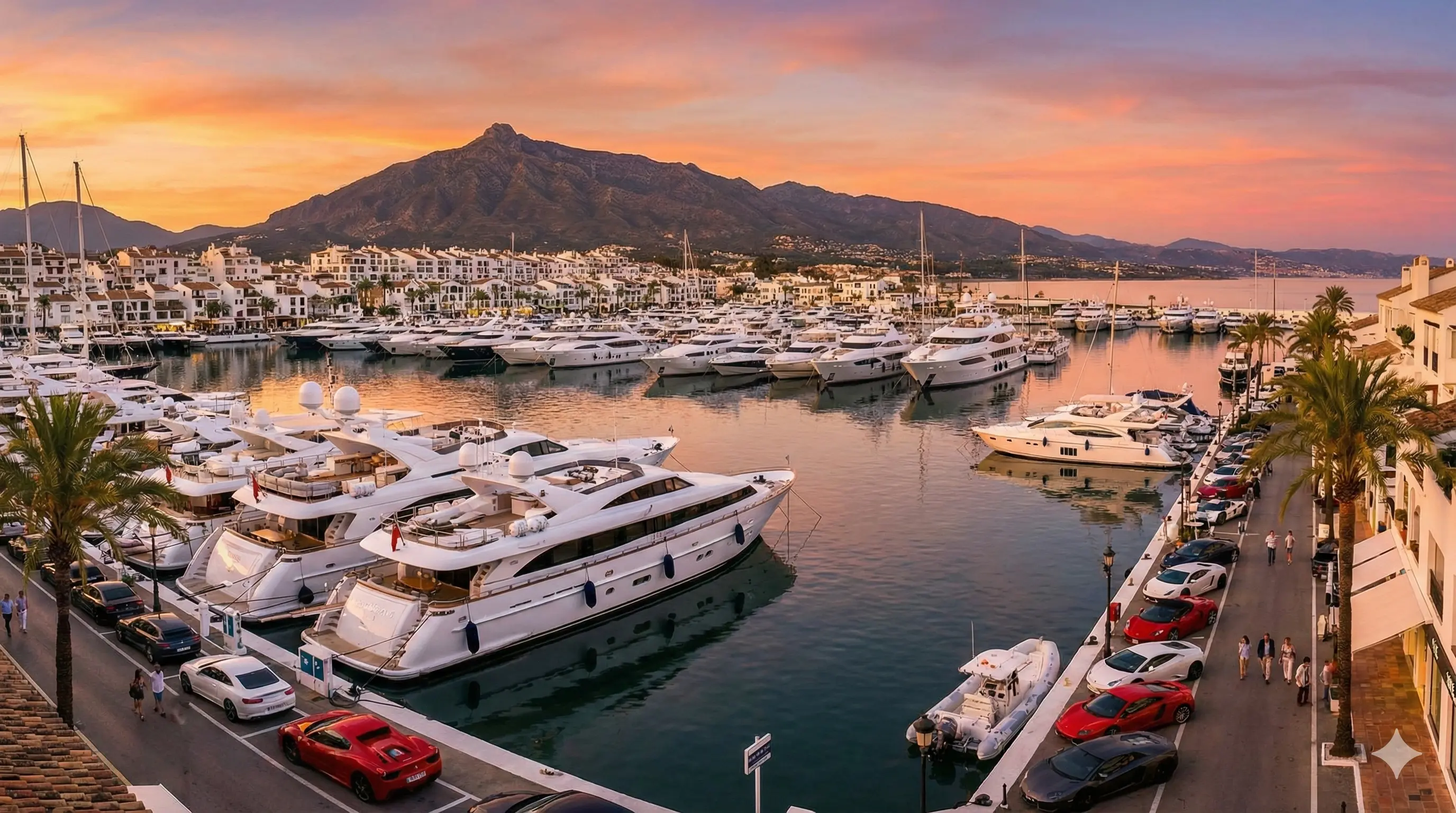
Between the old town of Marbella and the marina at Puerto Banús, the N-340 traces a six-kilometre stretch of coastline that has been called, without exaggeration, one of Europe's most storied addresses. The Marbella Club opened here in 1954, and the DNA of that original vision — privacy, beauty, discretion, and the very best of the Mediterranean — has never entirely left.
Today you drive it slowly with the windows down. The Marbella Club on your left, its gardens a controlled wilderness of bougainvillea and hibiscus. The Puente Romano — a resort that manages to feel simultaneously curated and effortless — on your right. La Concha mountain framing everything from the north, perfect and unchanging.
Lunch is at a beachfront restaurant where the tables are set directly on the sand and the catch came in this morning. Nobody is hurrying. Nobody is checking a phone. An English family at the next table have the particular ease of people who have been coming here for twenty years. A German couple are studying property listings. A Swedish architect is on her third glass of Albariño and drawing something on a napkin.
You understand, watching this, that the Golden Mile is not a place. It is a posture. An agreement between people who have chosen a certain quality of life and mean to maintain it.
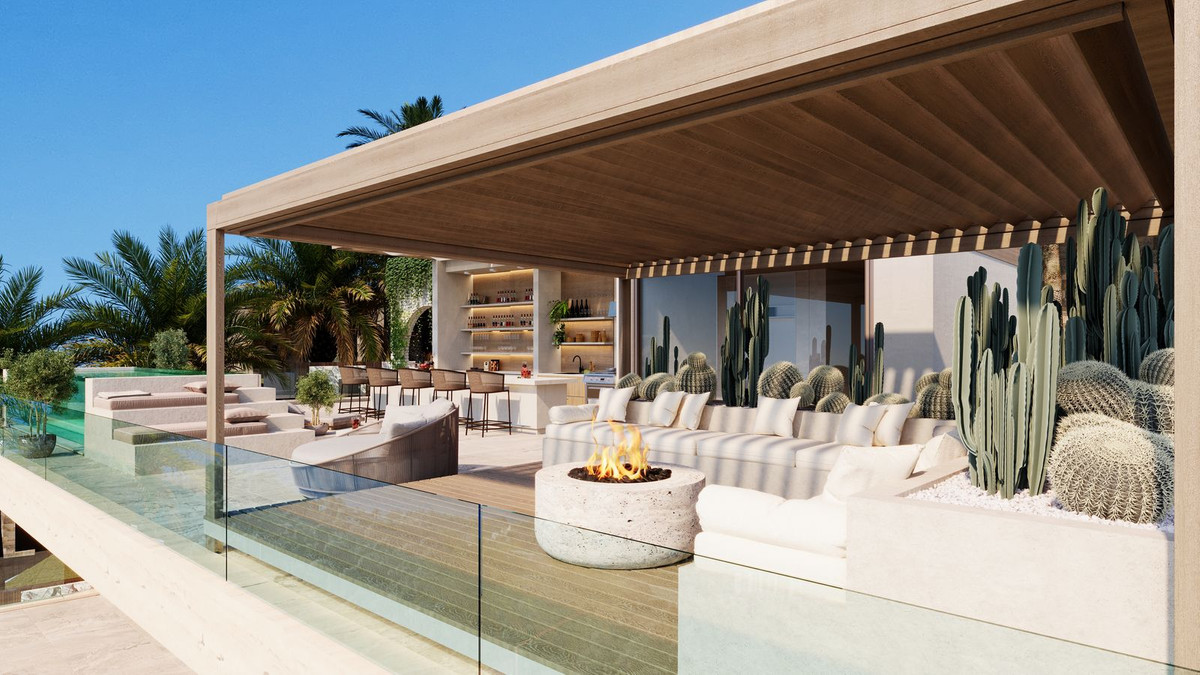
Above the coast. Where silence has an address.
Drive north from Marbella on the A-397 toward Ronda and within fifteen minutes the coast is behind you. The road climbs through cork oak forest and the air changes — cooler, carrying the smell of pine and wild thyme. This is Benahavís country, and just above it, behind two sets of gates and a private road, is La Zagaleta.
La Zagaleta is among the most private residential estates in continental Europe, and the numbers explain why better than any adjective could. Two golf courses, a helipad, an equestrian centre, and a community of perhaps 230 villas set across 900 hectares of protected woodland — and complete privacy from the world outside its gates. No tourists. No through traffic. No noise.
Not everyone who lives in Marbella wants La Zagaleta — it is a specific kind of seclusion. But understanding it clarifies something about the wider luxury market here. The Costa del Sol has depth. It is not just the coastline. Behind every beach town is a mountain valley, a forest road, a hidden estate. The further you look, the more you find.
You have lunch in Benahavís village — twelve restaurants for two thousand residents, which tells you everything about the local philosophy — and return to the coast in the golden hour, when the sea turns the colour of the hills.
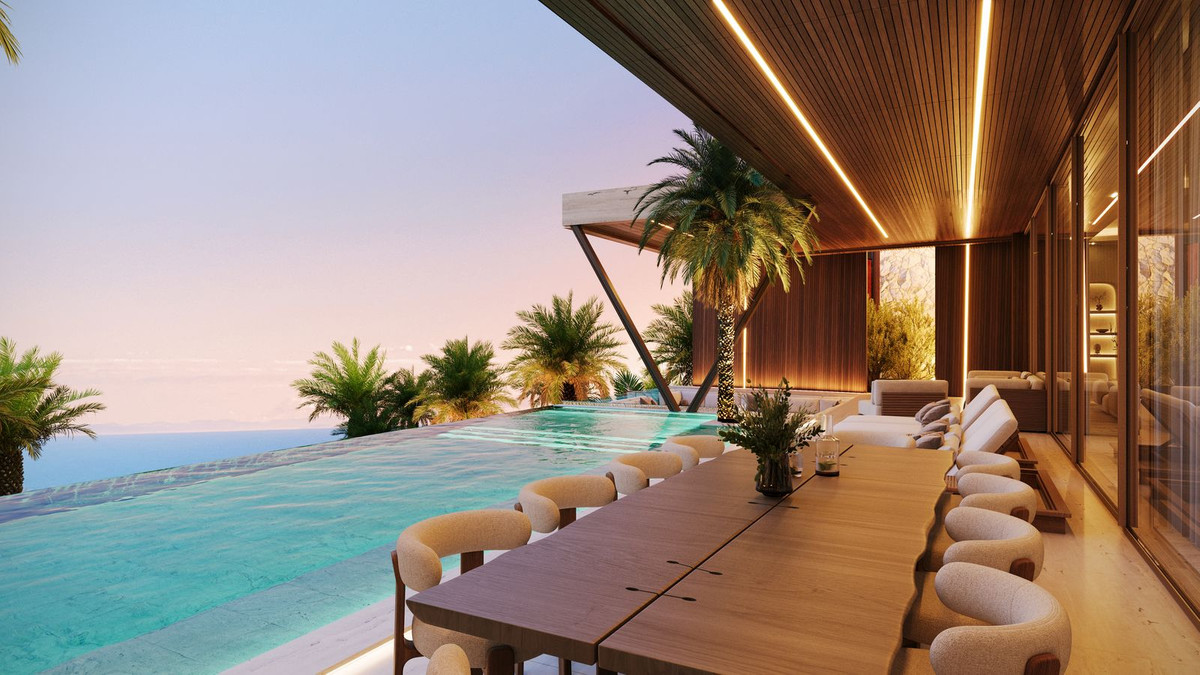
The table. Marbella's other luxury.
The food culture of Marbella is serious, and increasingly so. In the last decade, a generation of Spanish chefs trained in Basque Country kitchens and Nordic-influenced European restaurants has arrived on the Costa del Sol and applied that discipline to the extraordinary local produce — line-caught fish from Barbate, Ibérico pork from the sierra, Ronda wine made at altitude from ancient Garnacha vines.
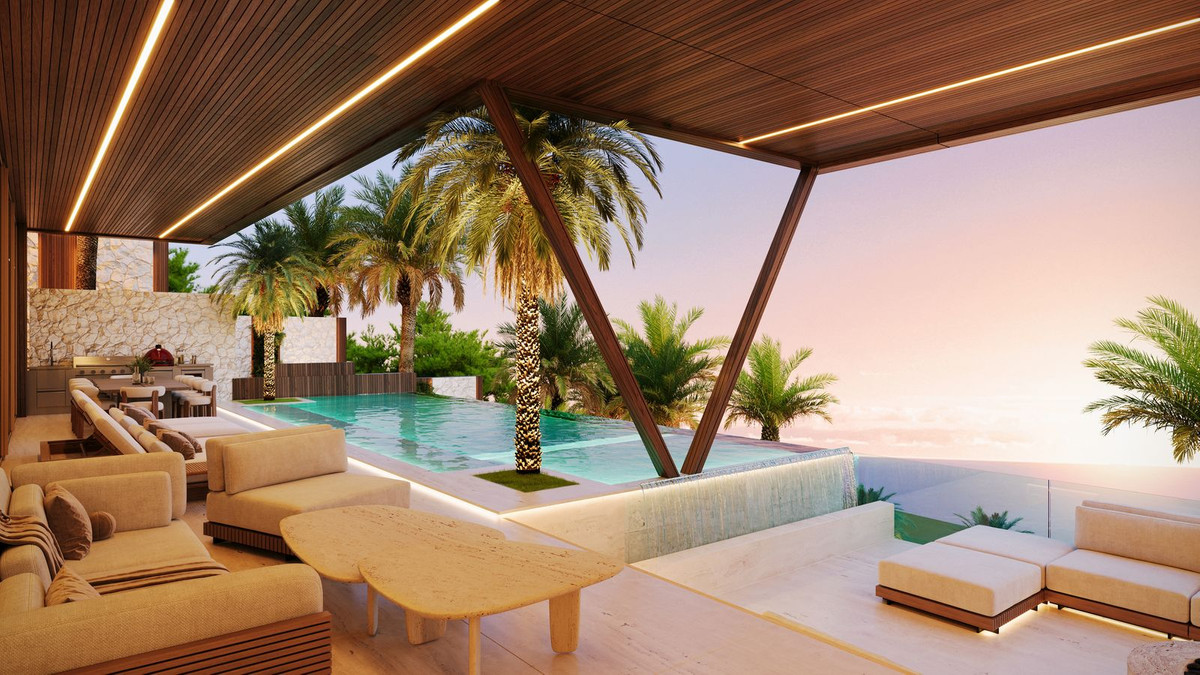
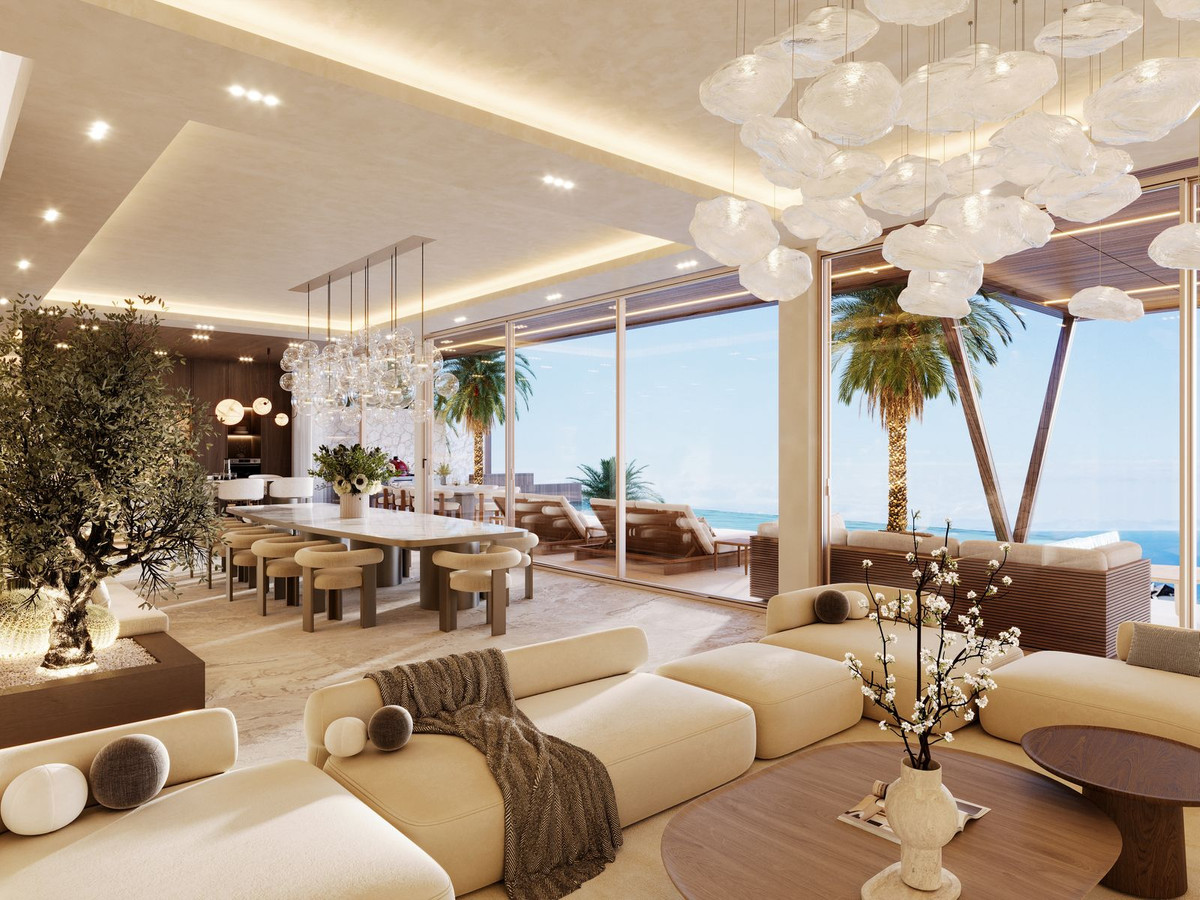
But it would be wrong to describe the Marbella dining experience purely in restaurant terms. The real pleasure of the table here is how much of it happens at home. Outdoor kitchens. Long terraces with room for twelve. The culture of gathering at one another's houses, of a market run in the morning becoming a six-hour lunch that finds its way, eventually, into an evening swim.
Tonight is dinner at a friend's villa in Sierra Blanca — panoramic sea views, a table lit by candles, a mix of nationalities that somehow coheres into easy, genuine conversation. The Marbella international community is one of the city's most underwritten pleasures: people from across Europe who have made the same choice and found, in that shared decision, an unexpected common ground.
The food is grilled over charcoal, the wine is from three different Spanish regions, and no one leaves before midnight. This, too, is the Marbella lifestyle.
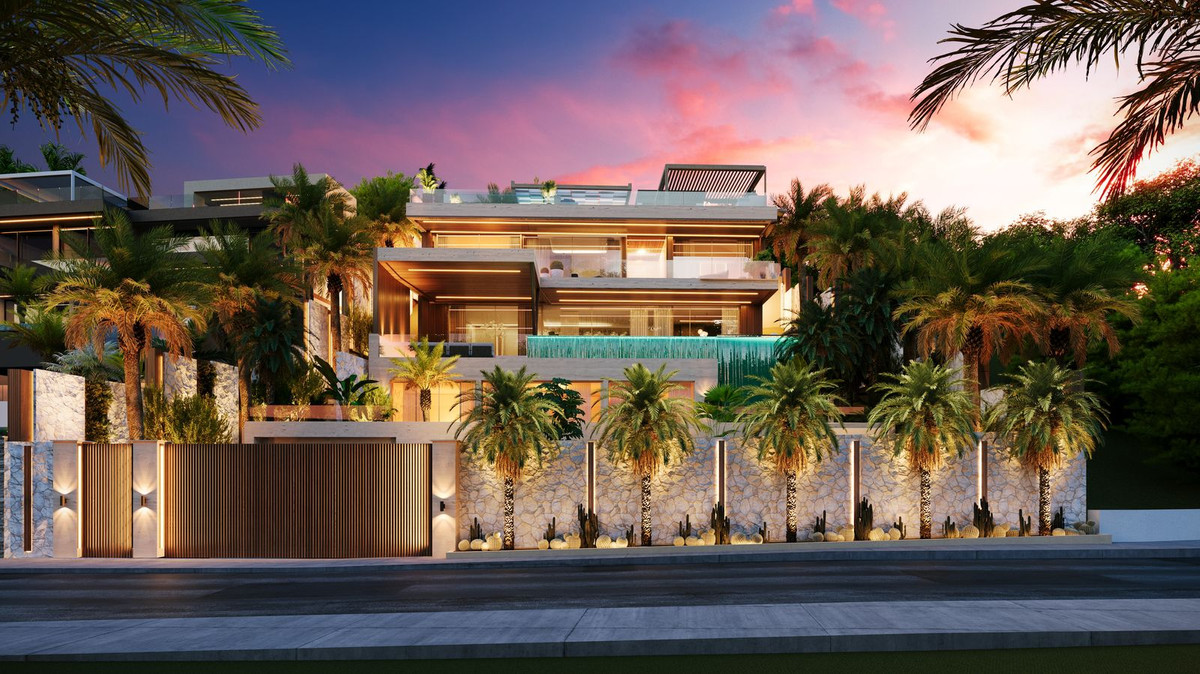
The sea. Three hundred and twenty days of it.
Marbella averages more than 300 days of sun a year, around 3,000 hours of it. You know this number before you arrive; you do not fully understand it until you have lived a week of it. The light is not passive. It is active, structural, load-bearing. It holds the day up. At ten in the morning it is already doing serious work on the terrace, and you find yourself organising everything else around it — meals, swimming, reading, conversation — the way people in grey climates organise around the rare occasions when the sun appears.
Today is the sea. A boat from the port, out past the headland, engine off, anchored in water clear enough to see the bottom at eight metres. There is a paddleboard, cold water from an ice box, a playlist that makes no attempt at seriousness. You swim for an hour. You eat lunch on the boat. You fall asleep briefly with the sound of the hull against the water.
The Costa del Sol is not only a real estate market. It is a physical environment that does something to people — something measurable, if you choose to measure it, in cortisol levels and sleep quality and the particular expansiveness of the chest that comes from spending six consecutive hours outdoors in warmth and light.
By evening you are back at the villa. The water is still warm. You swim again, alone this time, while the sky goes pink, then orange, then the deep blue that comes just before dark.
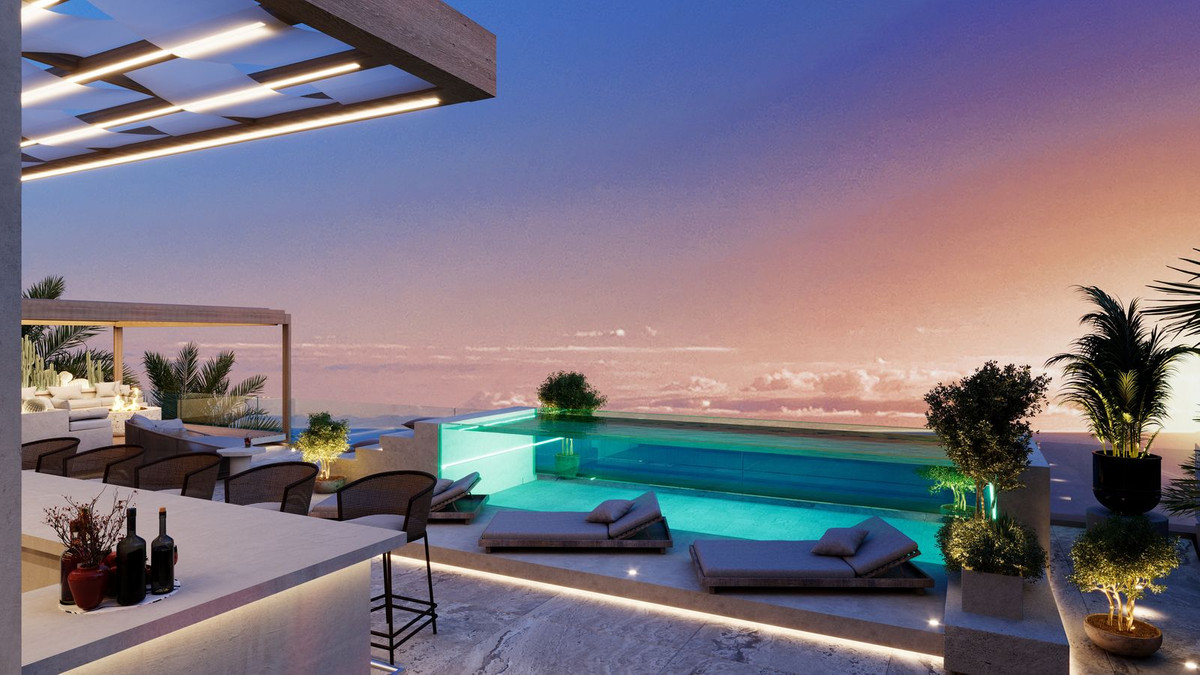
The question everyone eventually asks.
By Sunday, most people stop thinking about visiting and start thinking about staying.
It happens on a specific morning — usually the last one. You are having coffee on the terrace, the light is exactly as it was every morning this week, and you notice, perhaps for the first time, that you feel well. Not well in the vague, generalised way of being not-unwell. Physically well. Clear. Present. Something in the combination of movement, sun, good food, outdoor living, and the simple quality of the air has done something to you that your normal life rarely manages.
And you find yourself doing the mathematics. What would it actually take? The property. The process. The logistics of a life between two places, or perhaps — eventually — of a life primarily here. You find the calculations are less impossible than you expected.
This is the beginning of most Kaluma Living conversations. Not with a spreadsheet, but with a Sunday morning and a specific quality of light and the realisation that the life you have been living, very capably and very busily, might have been missing something it did not need to miss.
We are here when you are ready to have that conversation.
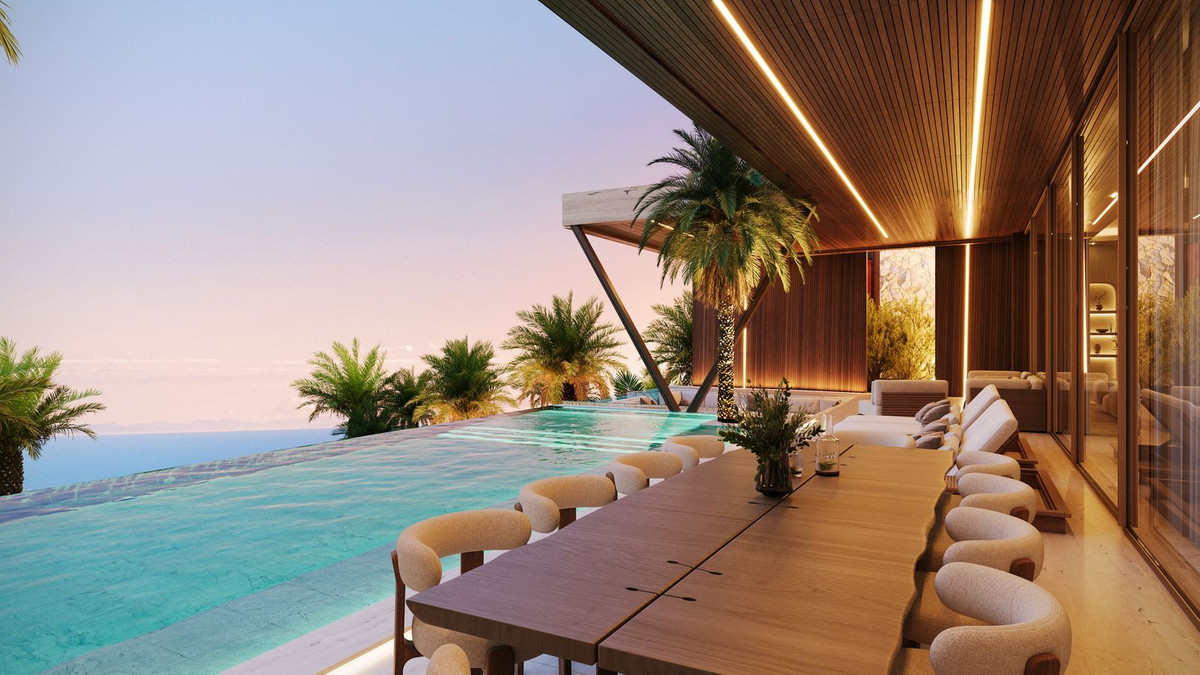
"The further you go into the week, the harder it becomes to remember why you were in such a hurry before."
On living in Marbella
Marbella — by the numbers
300+
days
of sun per year
45
min
to Málaga International Airport
70+
golf courses
within one hour
€2M–€30M
typical luxury villa price range
60+
nationalities
in the permanent community
19°C
avg
annual temperature
Why Marbella
What this place has that nowhere else quite manages
Climate as infrastructure
Three thousand hours of sun a year is not a selling point. It is a structural condition. It determines how homes are designed, how life is organised, how health and mood and energy behave across the year. The Costa del Sol climate is the foundation on which the Marbella lifestyle is built.
An international community that has chosen this
The people who live in Marbella did not end up here by accident. They are, by and large, people who considered their options, weighed the alternatives, and made a deliberate choice. This gives the community a particular quality — curious, travelled, diverse, not restless.
Wellness as a daily practice, not an occasional retreat
The infrastructure for living well in Marbella is now genuinely world-class. Not because it was planned this way, but because the people who have moved here in the last decade brought their habits with them and created the ecosystem to support them.
Value that the numbers do not quite capture
Compared to Monaco, Saint-Tropez, Mayfair, or the Hamptons, the Costa del Sol luxury market still offers something that those markets have long since surrendered: the possibility of a genuinely private estate, with land, with a pool, with views — at a price that would not begin to buy you the same in any of those alternatives.
Common questions
About living in Marbella
What is the lifestyle like in Marbella?
Marbella combines an established wellness infrastructure, a broad restaurant scene, an international community of owners and entrepreneurs, and immediate access to both the Mediterranean coast and the pine forests of the Sierra Blanca. Life here moves at an unhurried, intentional pace.
Is Marbella a good place to live permanently?
Yes. Marbella has a thriving permanent resident community — many international buyers who originally purchased holiday homes have made it their primary residence. Infrastructure is excellent: top international schools, private hospitals, a strong expat network, and easy access to Málaga airport (45 minutes), which connects to over 60 European cities.
What is the best area to live in Marbella?
The best area depends on your lifestyle. The Golden Mile (between Marbella town and Puerto Banús) is the most prestigious address, combining beachfront access with mountain views. La Zagaleta offers absolute privacy and security in a gated estate above Benahavís. Sierra Blanca provides panoramic sea views and proximity to Marbella town. Puerto Banús suits those who want the marina lifestyle. Kaluma Living helps buyers identify their perfect match.
How many days of sunshine does Marbella get per year?
Marbella averages more than 300 days of sun per year — around 3,000 hours — with average temperatures of 19°C annually. Summers are warm and dry (28–33°C), winters mild and rarely cold (12–18°C). That consistency is what makes the outdoor life here routine rather than seasonal, and it contributes directly to the outdoor lifestyle that defines living on the Costa del Sol.
Is Marbella expensive to live in?
Marbella is a luxury destination and costs reflect that at the top end of the market. However, compared to equivalent lifestyle locations in Monaco, Saint-Tropez, or Mayfair, Marbella offers extraordinary value — both in property prices per square metre and in daily living costs. A lunch at a quality restaurant costs €25–40 per person; a Michelin dinner €80–150. Utility costs, services and groceries are lower than most northern European capitals.
What wellness facilities are available in Marbella?
Marbella has an exceptional wellness infrastructure. SHA Wellness Clinic in nearby Alicante is world-famous, but the Costa del Sol itself offers dozens of yoga and Pilates studios, private personal training, luxury spas within hotels (Puente Romano, Marbella Club), cryotherapy centres, IV therapy clinics, and some of Europe's finest golf courses — 70+ within an hour's drive. Many luxury villas include private gyms, saunas and wellness rooms.
Begin your search
The property that makes this week your life
Kaluma Living curates a private collection of luxury villas on the Costa del Sol and Costa de la Luz — each one chosen because it enables the life described here. We work with a small number of buyers at a time, and we take it seriously.