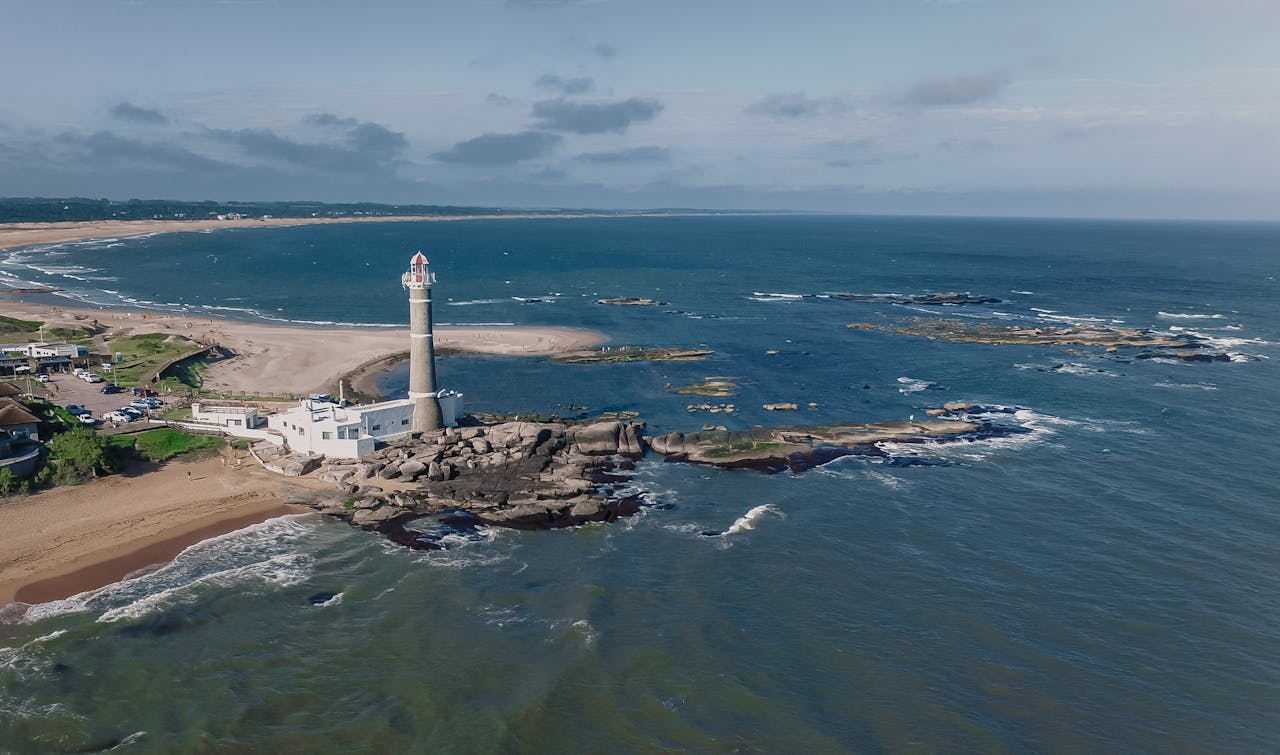
Uruguay · José Ignacio
The Pampa to the Sea
Where the pampa meets the Atlantic and architecture has learned the only correct response: horizontal. Adobe, eucalyptus, and the discipline to build small when the view is infinite.
The audacity of lying down
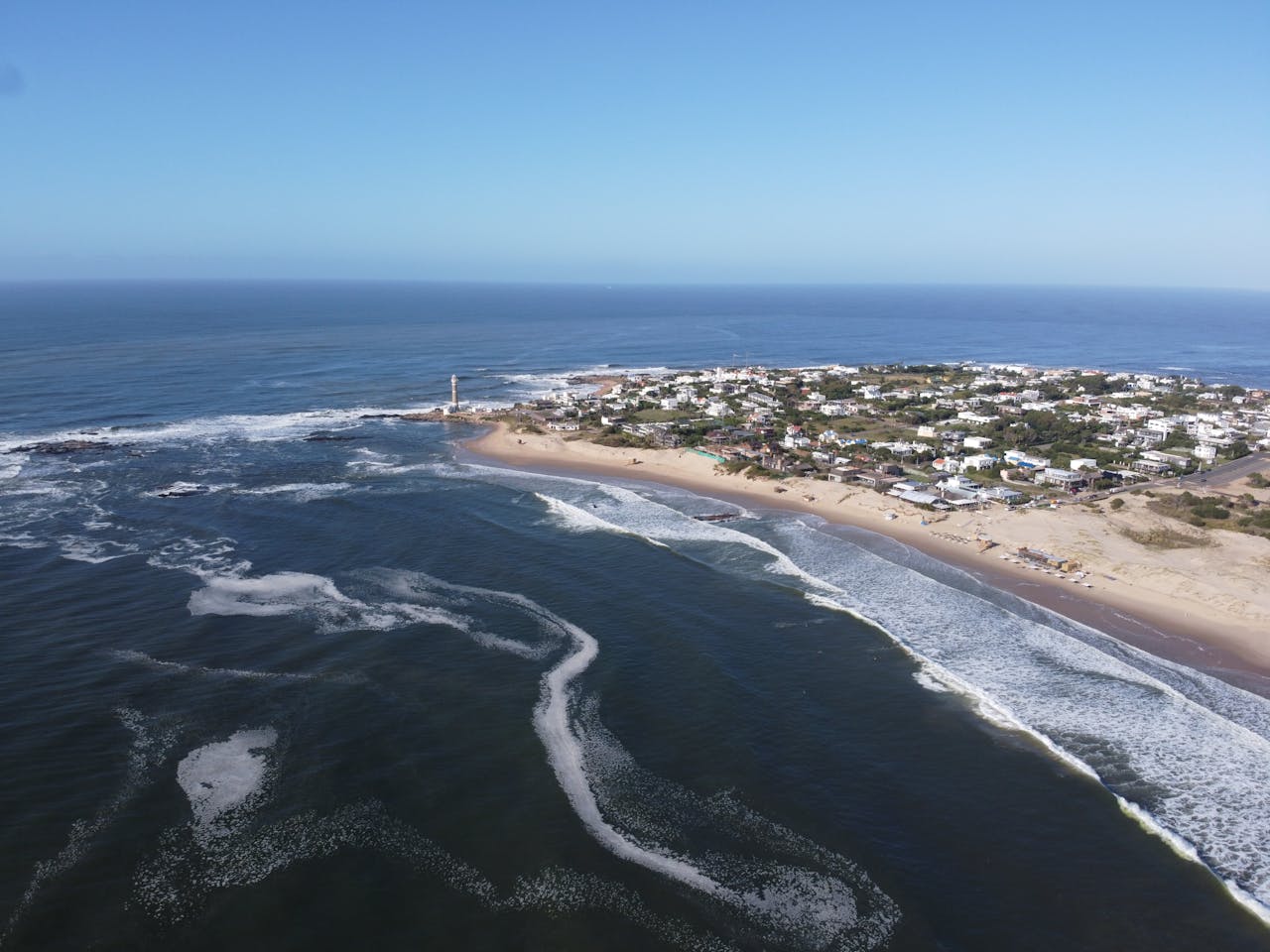
José Ignacio sits at the point where the Uruguayan pampa — one of the great uninterrupted landscapes of the southern hemisphere — reaches the Atlantic coast. The lagoon that separates them creates a particular quality of light: two bodies of water reflecting off each other, with the open pampa behind and the ocean horizon in front. No building can improve on this. The correct architectural response, which the best houses in José Ignacio have understood, is to stay low.
The Vik properties — Estancia Vik, Bahia Vik, and Playa Vik — represent the fullest expression of this understanding. Estancia Vik sits on 4,000 acres of rolling countryside, white and art-filled, built at the scale of the estancia rather than the resort. Bahia Vik tucks fifteen bungalows into the beach dunes as if they were a natural formation. Playa Vik, designed by Carlos Ott, is the single exception — a titanium and glass intervention that earns its verticality by engaging the Atlantic horizon directly rather than hiding from it.
What all three share is a refusal to overprogramme the landscape. The approach roads are unpaved. The lighting is minimal. The materials — adobe block, local eucalyptus timber, thatched pergolas — are those the land itself produces. The hotels are excellent not because of what they have added but because of how carefully they have listened.
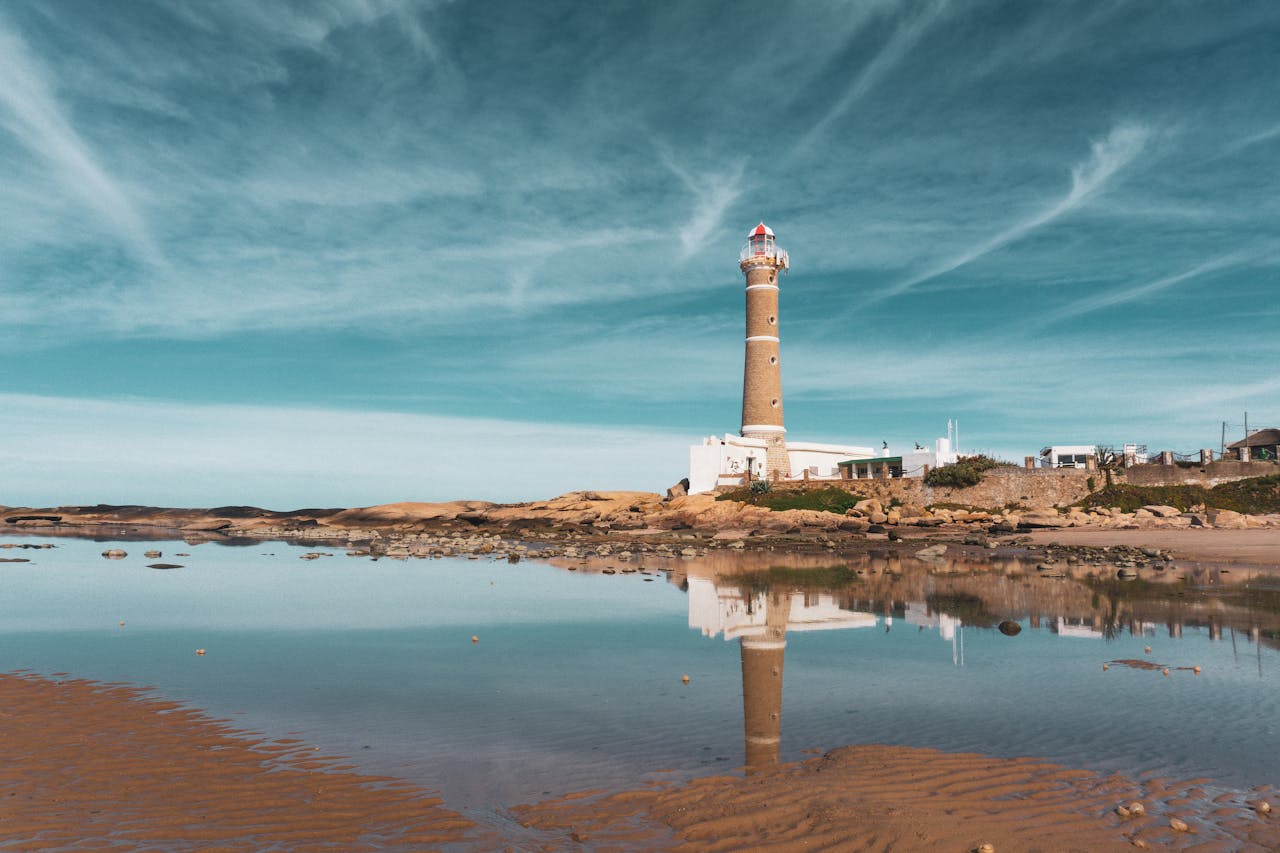
“The pampa does not tolerate architecture that tries to compete with it. The best houses in José Ignacio understood this from the beginning.”
Kaluma Living
Adobe, eucalyptus, and the logic of local
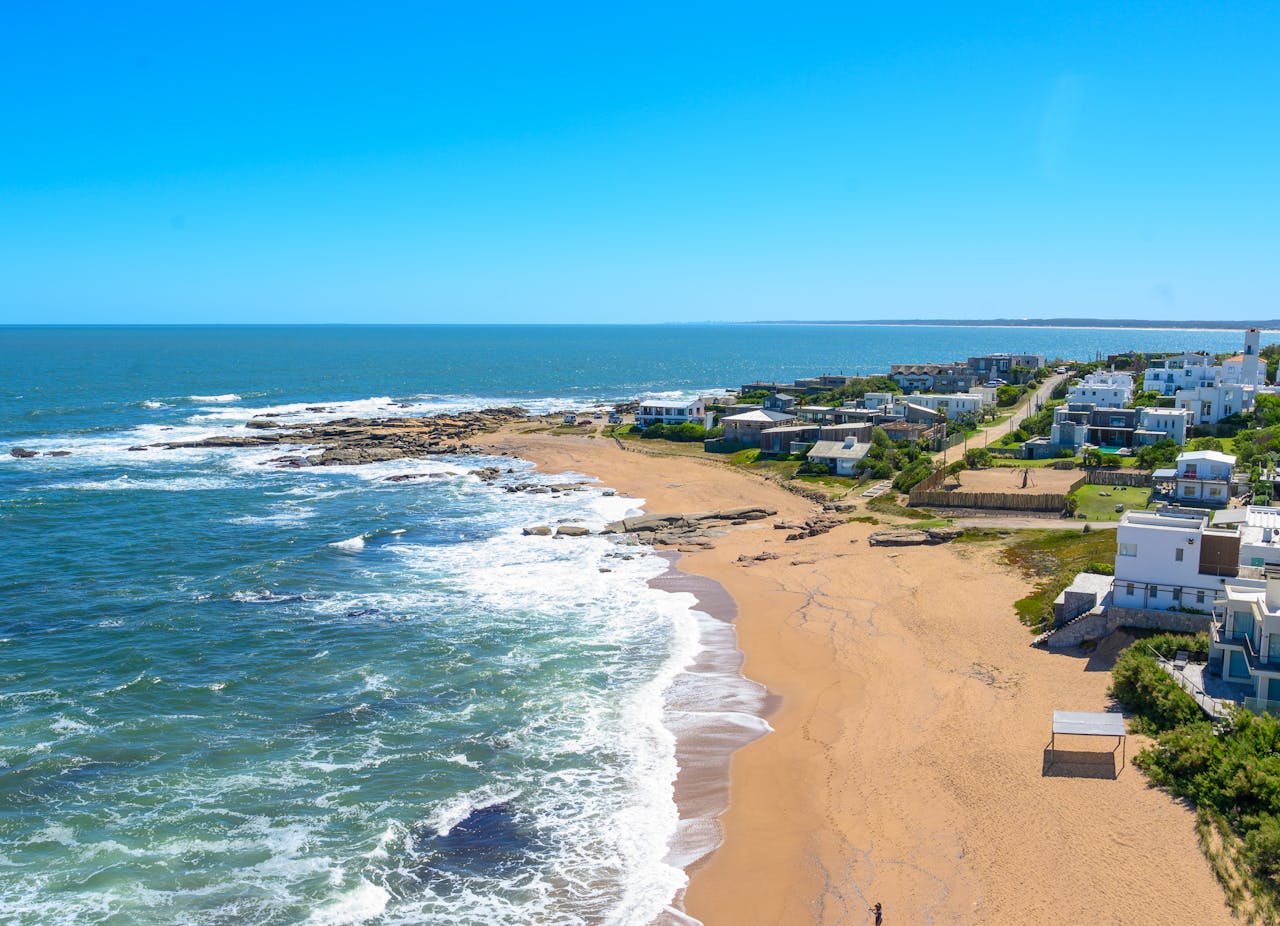
The building materials of José Ignacio are those of the Uruguayan interior: adobe brick, which regulates temperature as effectively in this latitude as it does in the Sahara; eucalyptus timber, fast-growing, naturally resistant to moisture and insects, and abundant in the landscape; and the simple whitewash that turns any surface into a light-collecting surface. These are not chosen for their associations with peasant tradition — they are chosen because they perform.
Estancia Vik José Ignacio has become one of the world's first environmentally-conscious luxury properties through the use of solar and geothermal energy, composting and recycling, and building with locally sourced materials. Bahia Vik maximises natural resources for heating, cooling and ventilation, with extensive water collection and recycling systems. The point is not certification — it is that the logic of local materials and passive systems produces houses that work, that cost less to run, and that sit on the landscape with a lightness that imported materials and mechanical systems cannot achieve.
The infinite horizon and the single-storey house
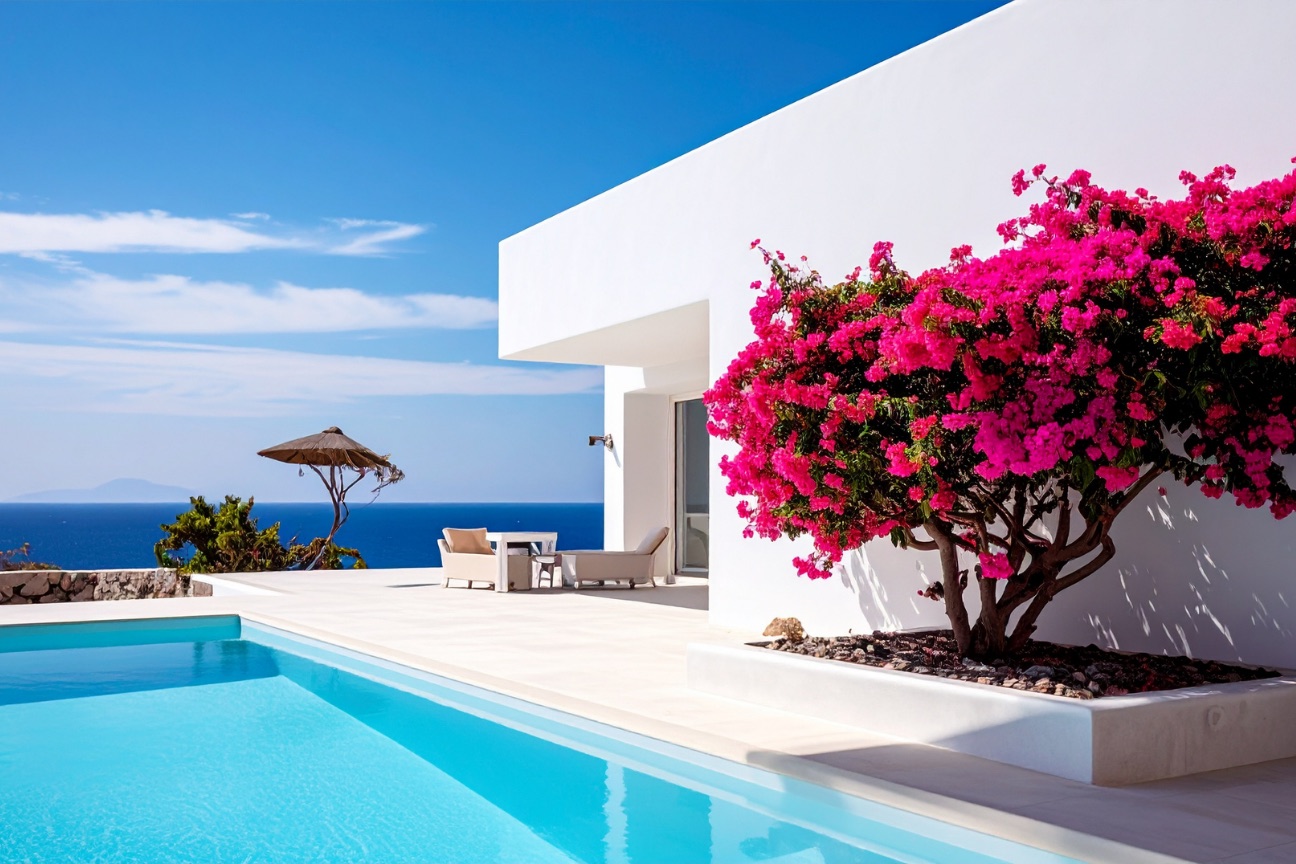
José Ignacio teaches a spatial lesson that is applicable everywhere the landscape is the protagonist: the single-storey house is not a compromise — it is an argument. An argument that the view is more important than the floor area. That the relationship with the ground — with the garden, with the outdoor space that is the real living room in a good climate — matters more than an additional bedroom. That the horizontal line of the building, echoing the horizontal line of the horizon, is the most sophisticated spatial gesture available.
On the Costa del Sol, this translates to the villas we are most drawn to: those that sit within the landscape rather than upon it. Where the terrace is the principal room. Where the garden was designed before the house, not after. Where the line of the roof answers the line of the sea. The pampa-to-sea lesson is ultimately about proportion — the correct relationship between what is built and what is not.
Looking for a home that belongs to its landscape?
We curate properties on the Costa del Sol and Costa de la Luz where the relationship with nature is built in — not an afterthought, not a marketing claim, but the foundation of how the home was conceived.