National Inspiration · Balearic Islands
The New Payés Style — Ancestral Wisdom Made Luxury
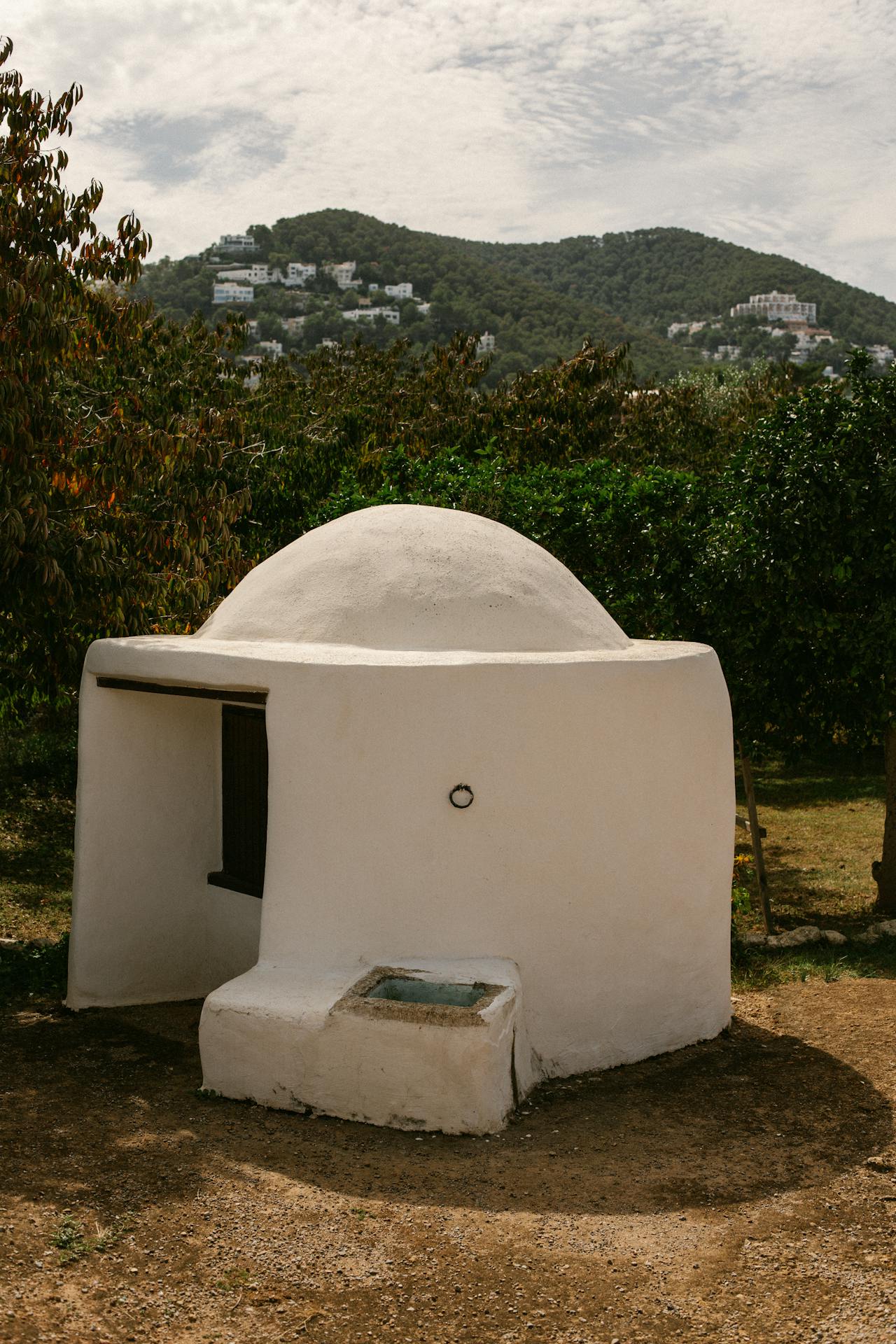
The payés house of Ibiza and Formentera: a model of perfect bioclimatic architecture that anticipated, by centuries, what we now call cutting-edge sustainability.
3,000
Years of building history
UNESCO
Dry stone: Intangible Heritage
1934
Recognised by GATEPAC and Le Corbusier
An architecture that was already perfect when no one was talking about sustainability
The payeses — the peasants of Ibiza and Formentera — had no access to architects or engineering treatises. They had the environment, the materials of the soil, knowledge passed down across generations and the need to build well. The result, refined over centuries, is one of the most perfect models of bioclimatic architecture in existence.
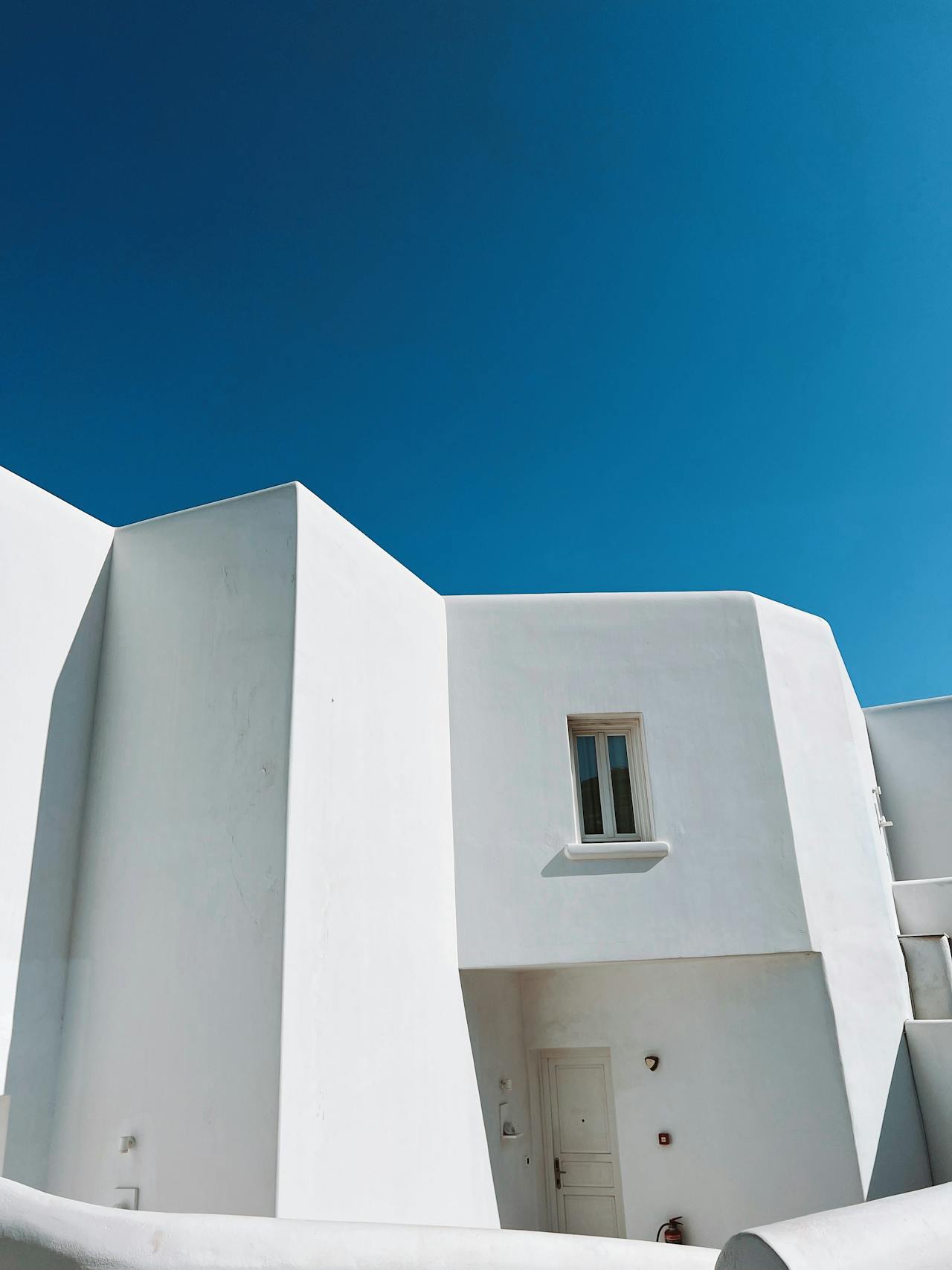
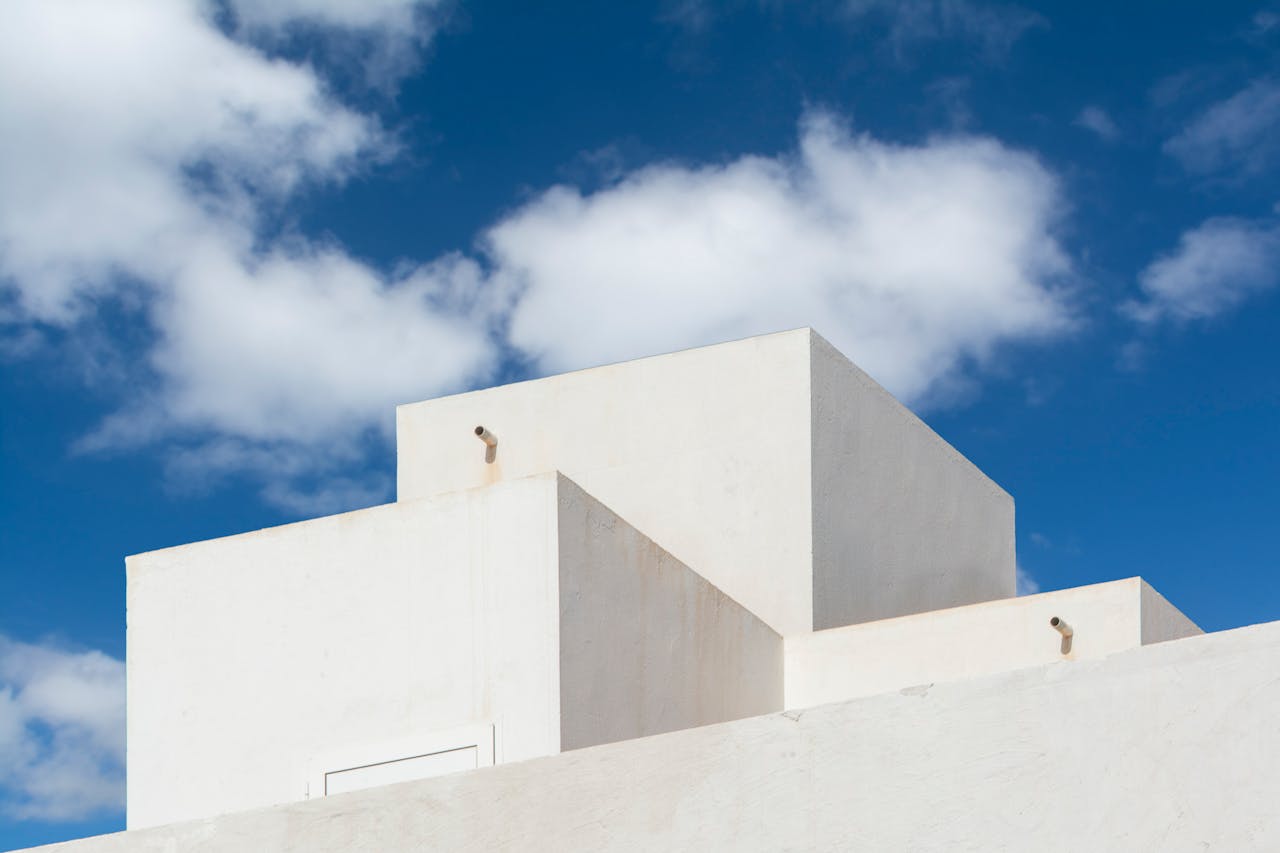
Their thick whitewashed walls regulate temperature without artificial systems. Their flat roofs with juniper beams have lasted two centuries without failure. Their cubic geometry — so radical that Le Corbusier recognised it as confirmation of his own principles — is no aesthetic whim: it is the optimal response to Mediterranean light, summer heat and the island's winter cold.
Today, the most demanding architects in Ibiza do not invent — they interpret. The geometry was already resolved. The materials were already chosen. What has changed is the technology that lives alongside them.
The principles
The six principles of the payés style
Every element of the payés house has a bioclimatic reason for being. There is no ornament without a function. There is no function that is not elegant.
Thick Whitewashed Walls
Walls of 60–80 cm in local stone and mortar, covered in white lime. They regulate temperature naturally: cool in summer, warm in winter, with no artificial system.
Roofs with Juniper Beams
Juniper wood — endemic to the islands — is naturally resistant to humidity and insects. Payés roofs built two hundred years ago still stand without maintenance.
Cubic Modules That Grow
The payés house is not planned all at once: it grows organically by adding cubes as needs arise. Each module is autonomous and can function independently.
Strategic Orientation
The mountain behind shelters from the north wind. The main façade faces south to capture winter light. Small windows on the east and west façades limit summer solar gain.
Dry Stone Walls
Built without mortar, with stone from the land itself. A 3,000-year-old ancestral technique declared UNESCO Intangible Cultural Heritage in 2018 — still unmatched in durability.
Small Strategic Windows
Calculated openings, not generous ones. On warm façades they protect from summer heat. On cool façades they retain winter warmth. The size of every window is a bioclimatic decision.
"Simplicity as the ultimate luxury — without superfluous ornaments, without anything that does not have a reason to be."
Ibiza Living philosophy
The influence
Why the payés style inspires contemporary luxury
Payés architecture was not discovered yesterday. It has been fascinating the world's most influential architects and thinkers for nearly a century.
1934
GATEPAC
The Group of Spanish Artists and Technicians for the Progress of Contemporary Architecture visited Ibiza and documented the payés farmhouses. In their journal A.C. they declared that these houses were the most perfect model of functionalist architecture they had found in Europe.
1937
Le Corbusier & the Bauhaus
Le Corbusier, familiar with the GATEPAC documentation, found in payés architecture the Mediterranean confirmation of his modernist principles: pure geometry, function over ornament, honest materials. The Bauhaus adopted Ibiza as a case study.
Today
Ibiza Living · Meridià · LQARQUITECTURA
Contemporary reference studios reinterpreting the payés farmhouse for today's luxury. Self-cleaning natural pools, integrated solar energy, recycled pine and local stone — with 21st-century technical criteria and 17th-century geometry.
The modern payés
Tradition and technology: the same geometry, new tools
Today's payés farmhouse retains the cubic geometry, the whitewashed walls and the local stone. What is added is photovoltaic solar integrated into the flat roofs, rainwater harvesting, self-cleaning natural pools and recycled pine in the joinery. Technology in service of tradition — never the other way round.
Solar energy integrated into roofs
Rainwater harvesting
Self-cleaning natural pool
Recycled pine and local stone
Lime — the best solar insulator known
Smart home that respects the geometry
The enclaves
Three epicentres of the new payés luxury
Not every area of Ibiza preserves the same architectural authenticity. These three enclaves concentrate the highest-quality payés farmhouses.
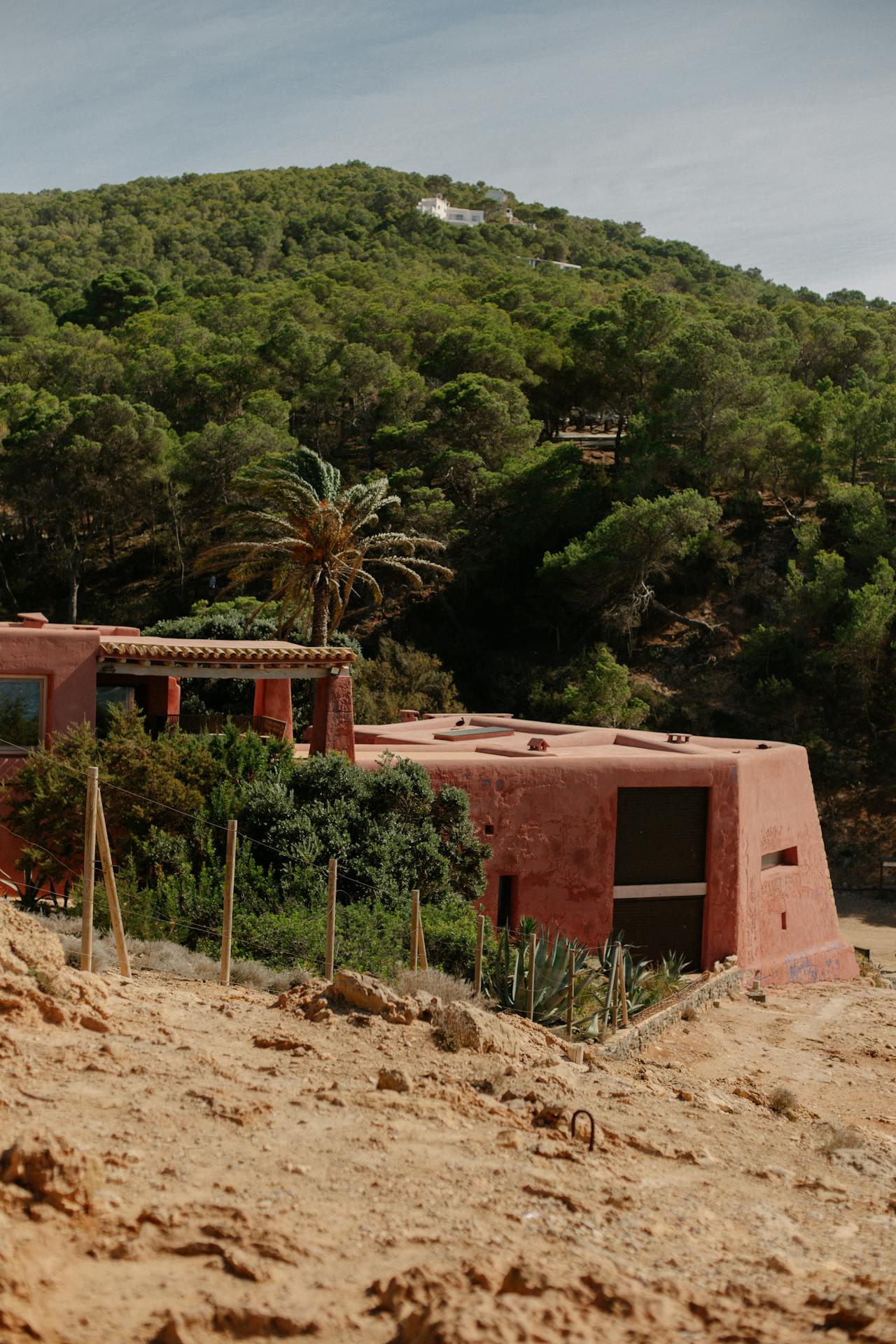 Epicentre of the New Payés
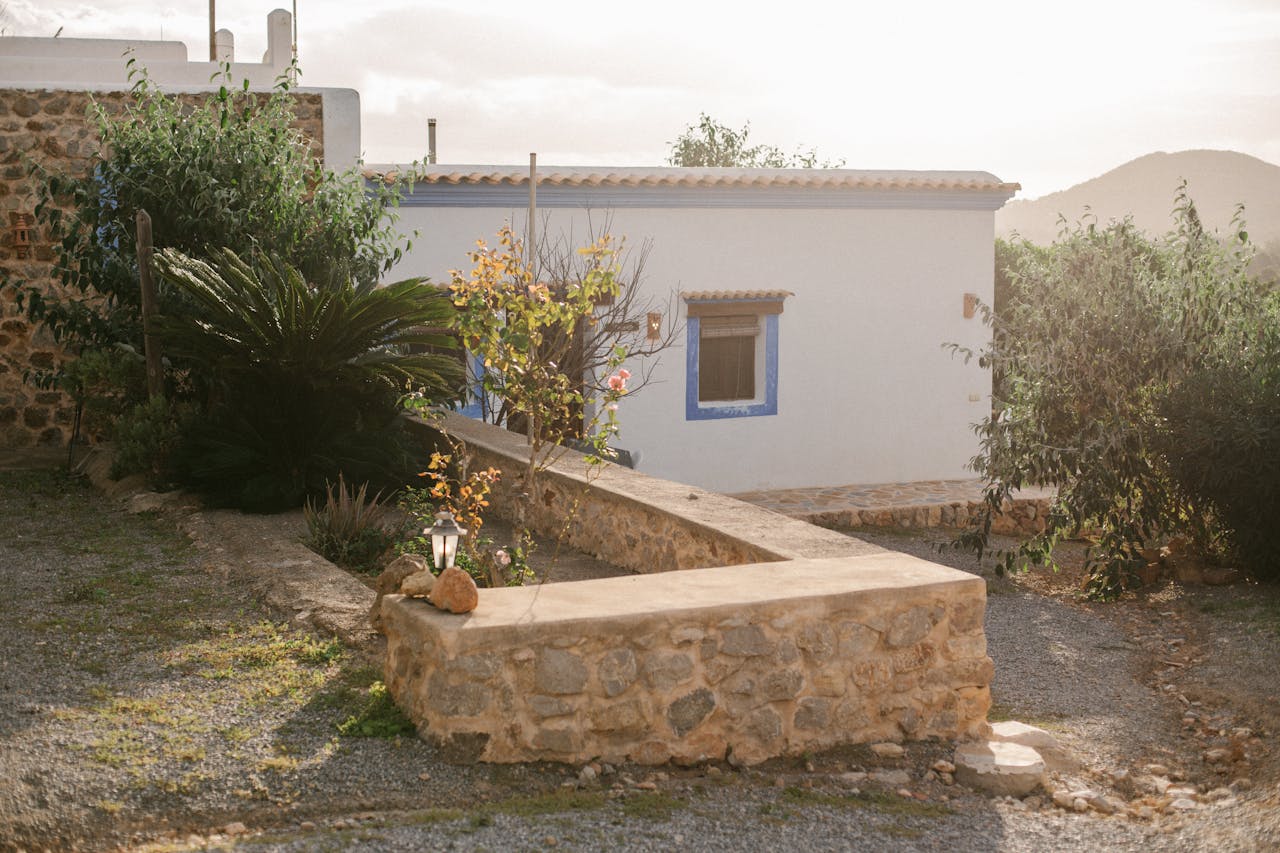
Santa Gertrudis
The heart of the contemporary payés architectural movement. Its restored farmhouses combine the original cubic geometry with interiors designed by internationally renowned architects. Santa Gertrudis concentrates the highest density of quality payés properties on the island.
 Preserved Authenticity
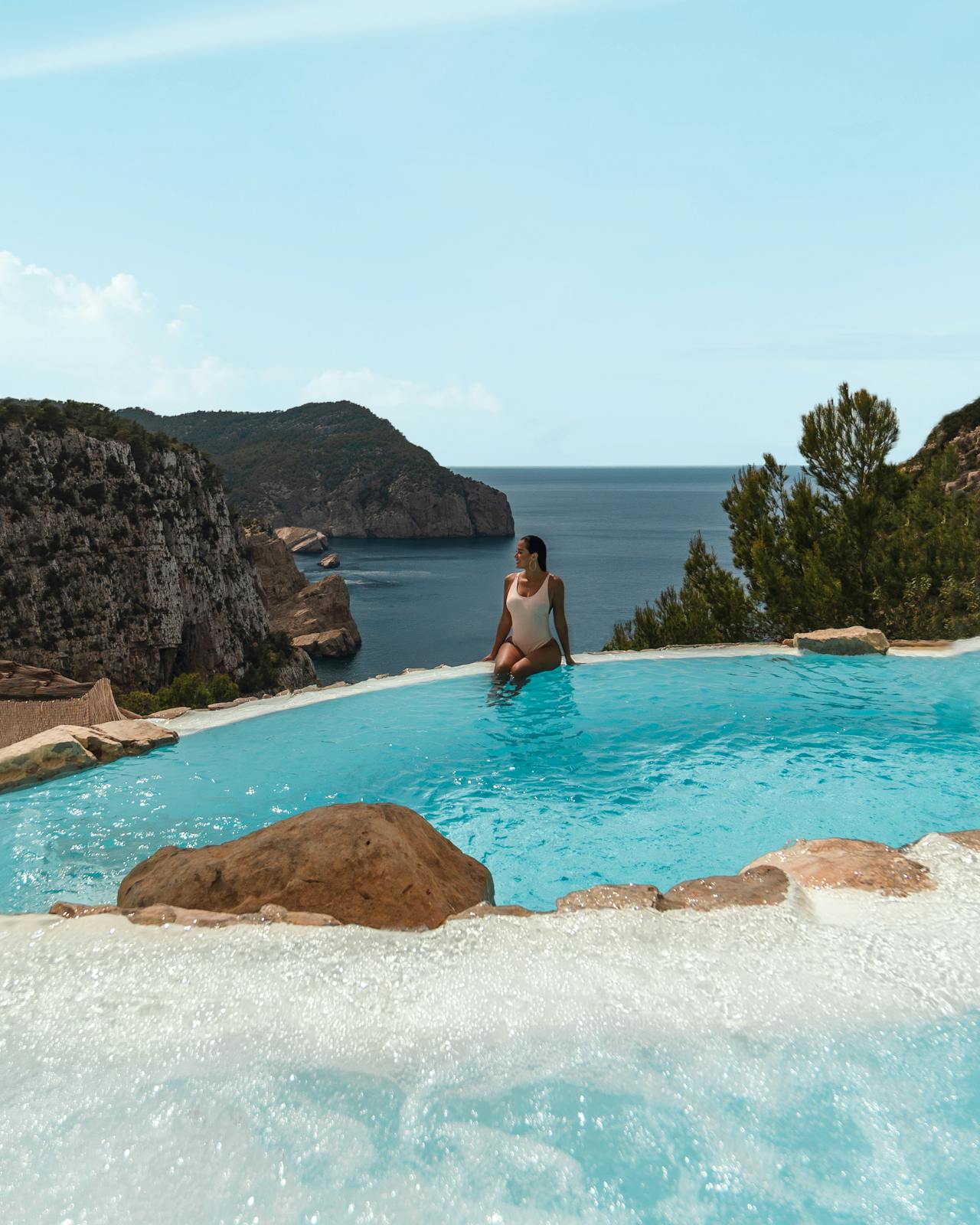
San Lorenzo & Sant Joan
The north of Ibiza, where payés architecture is preserved in its most authentic state. The farmhouses here are more discreet, more integrated into the landscape of pines and carobs, further from tourist pressure. Where the most demanding buyers seek the authenticity the south can no longer offer.
 Luxury with Sea Views
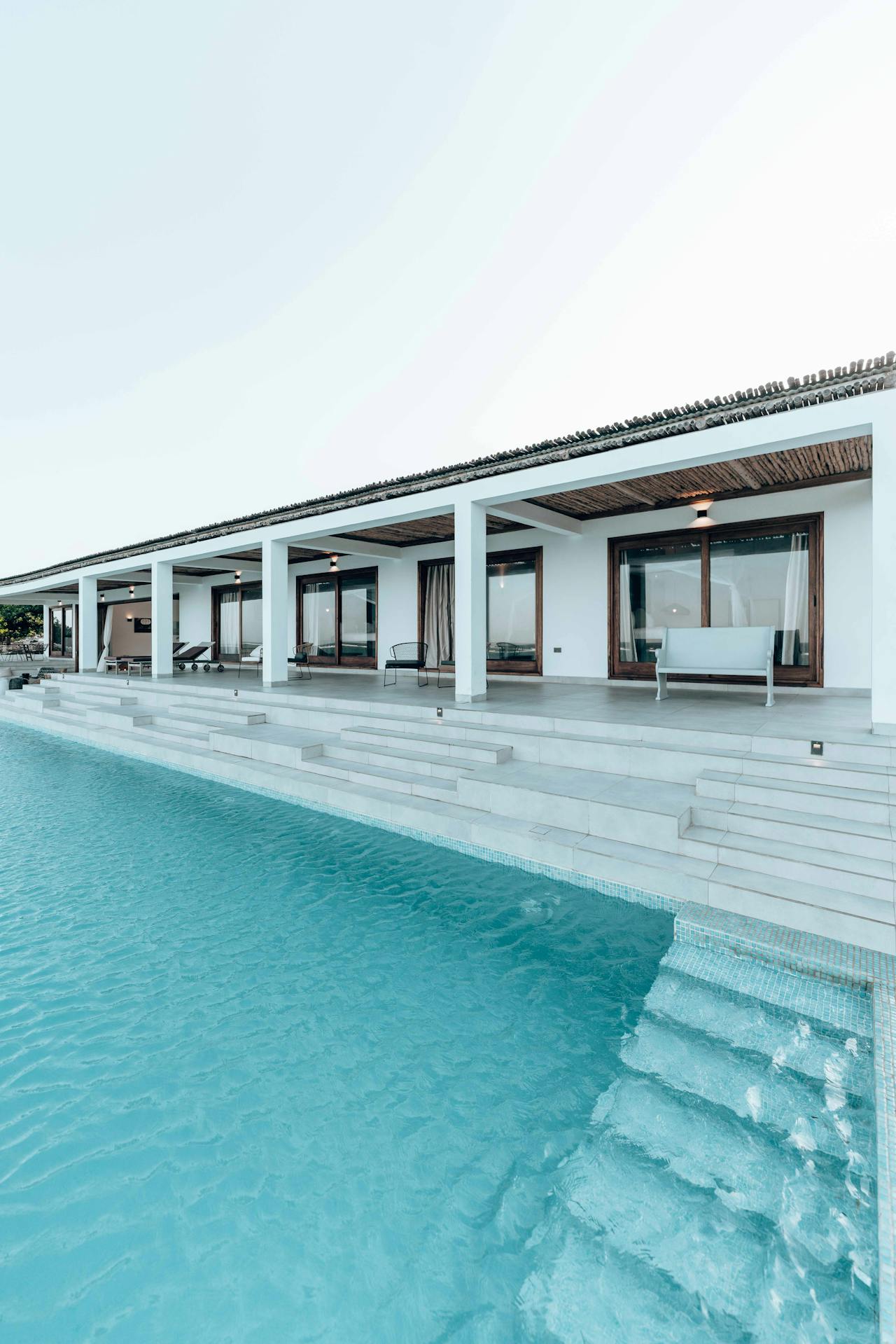
San José & Ses Salines
The southwest of Ibiza, where the payés farmhouses have access to some of the most extraordinary sea views in the Western Mediterranean. San José combines the payés building tradition with proximity to Ibiza town and the island's most prized beaches.
The soul
"Houses with soul" — the philosophy that defines the payés style
Simplicity as the ultimate luxury
Without superfluous ornaments, without elements that do not answer a need. The payés house shows that authentic luxury is not about adding — it is about removing everything that is excess until what remains is perfect.
Connection with nature and Mediterranean light
The light of Ibiza has a particular quality — warm, dense, changing dramatically through the day and the seasons. The payés geometry was designed to capture it, filter it and turn it into the principal interior element of the home.
A conscious life in communion with the surroundings
Living in a payés farmhouse is not only inhabiting an architectural space. It is a commitment to a way of relating to the place — to its rhythms, its materials, its silences. A philosophy contemporary luxury is rediscovering.
The New Payés Style — Ibiza & Formentera
Frequently asked
The payés style — What we are most often asked
¿Qué es el estilo payés en arquitectura?
El estilo payés es la arquitectura vernácula tradicional de los campesinos (payeses) de Ibiza y Formentera. Se caracteriza por su geometría cúbica, muros gruesos encalados de blanco, techos planos con vigas de sabina, pequeñas ventanas en las fachadas expuestas al sol y módulos que crecen orgánicamente según las necesidades del hogar. En 1934, los arquitectos del GATEPAC reconocieron su perfección funcionalista, y posteriormente Le Corbusier y la Bauhaus encontraron en estas construcciones la confirmación visual de sus principios modernistas.
¿Por qué se considera la casa payesa un modelo de arquitectura sostenible?
La casa payesa anticipó en siglos los principios que hoy llamamos arquitectura bioclimática de vanguardia. Sus muros gruesos de piedra local regulan la temperatura sin sistemas artificiales. La orientación estratégica — la montaña detrás protege del viento del norte, la fachada sur capta la luz — minimiza el consumo energético. Las paredes de piedra seca, construidas sin argamasa (técnica declarada Patrimonio UNESCO), son extraordinariamente duraderas. La cal es el mejor aislante solar conocido. Todo el sistema funciona con cero energía mecánica.
¿Cuánto cuesta una finca payesa restaurada de lujo en Ibiza?
Las fincas payesas restauradas de calidad en zonas prime de Ibiza (Santa Gertrudis, San Lorenzo, San José) parten de los 3 millones de euros para propiedades con entre 3 y 5 dormitorios. Las fincas con mayor superficie de parcela, piscina natural y restauración de alta fidelidad pueden superar los 8-10 millones. El valor de una finca payesa bien restaurada es extraordinariamente estable — son propiedades únicas que no pueden replicarse.
Personal search
Tell us what you're looking for
Inspired by the payés philosophy? We find properties that embody this timeless aesthetic — fincas where the geometry, the materials and the light are exactly right.