The Kaluma Way · 04
Where Design Lives
Vanguardia y Diseño de Autor por Kaluma Living
Some homes you admire. Others you feel from the first room. The difference is authorship — a designer who understood that geometry, proportion, and spatial flow are what make a home not merely beautiful, but worth living inside.
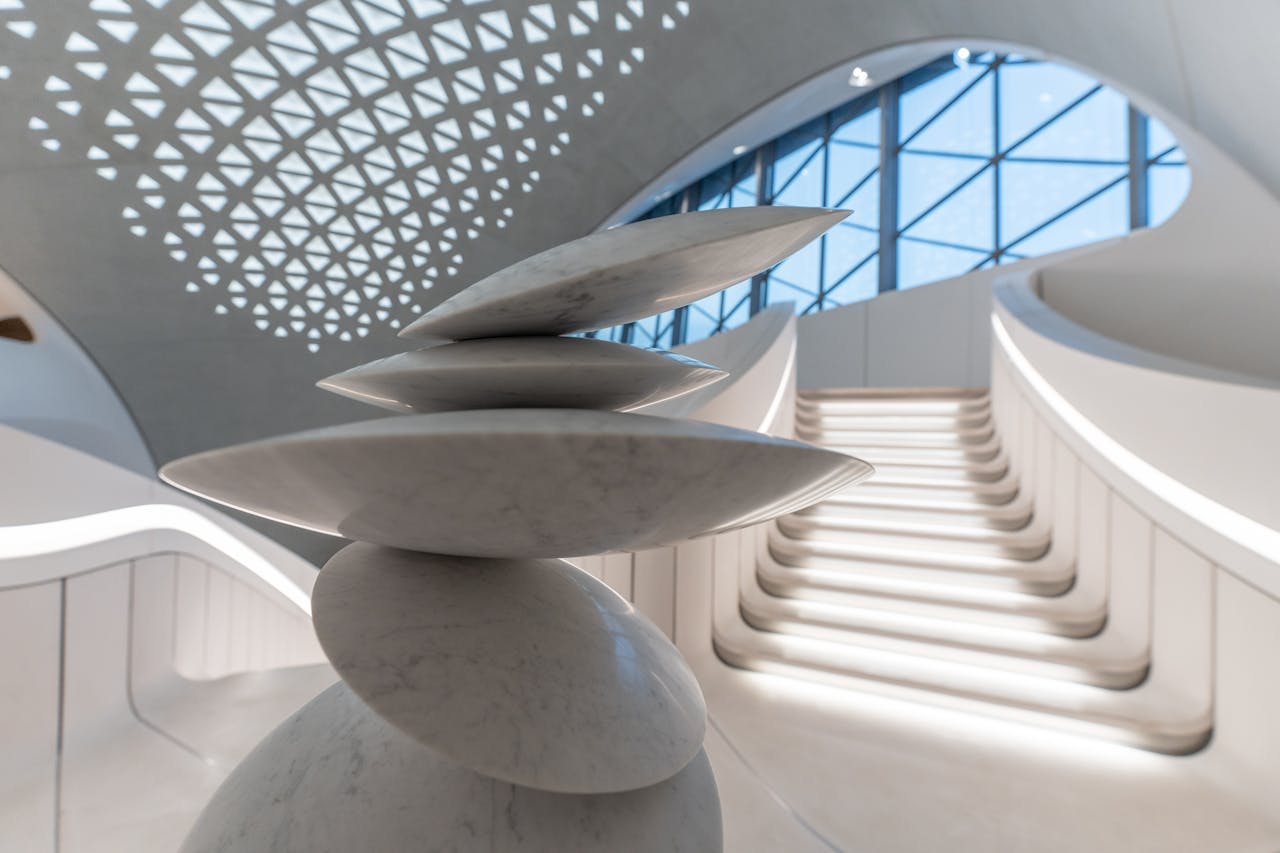
Where the inside becomes the architecture
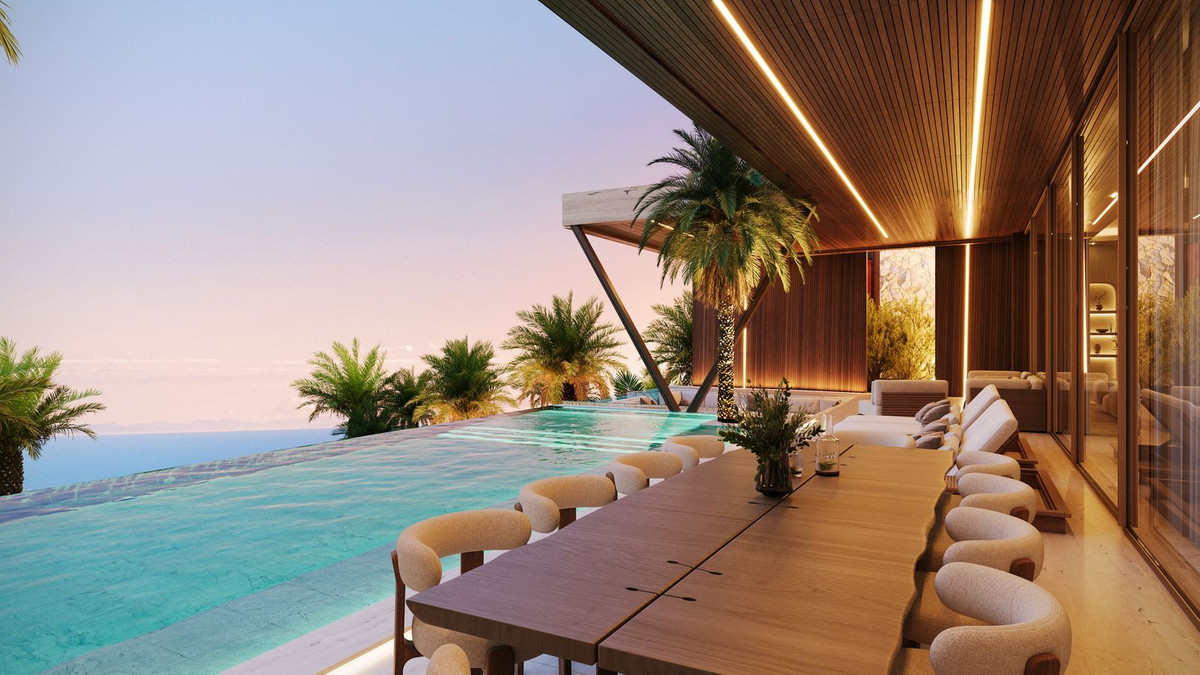
Great residential architecture is felt through spatial continuity, not decoration. When interior and exterior speak the same formal language — when the terrace is an extension of the living room rather than an addition to it, when the garden is visible from the kitchen in a sightline that was planned, not accidental — the home achieves a quality that cannot be added afterwards.
Large spans without intermediate columns define this quality. The structural decision to span twenty metres without interruption creates a freedom that transforms how you move, how you gather, how you receive guests. Combined with floor plans that sequence the approach from entrance to living room to terrace as a choreographed journey, these homes reward the act of living inside them.
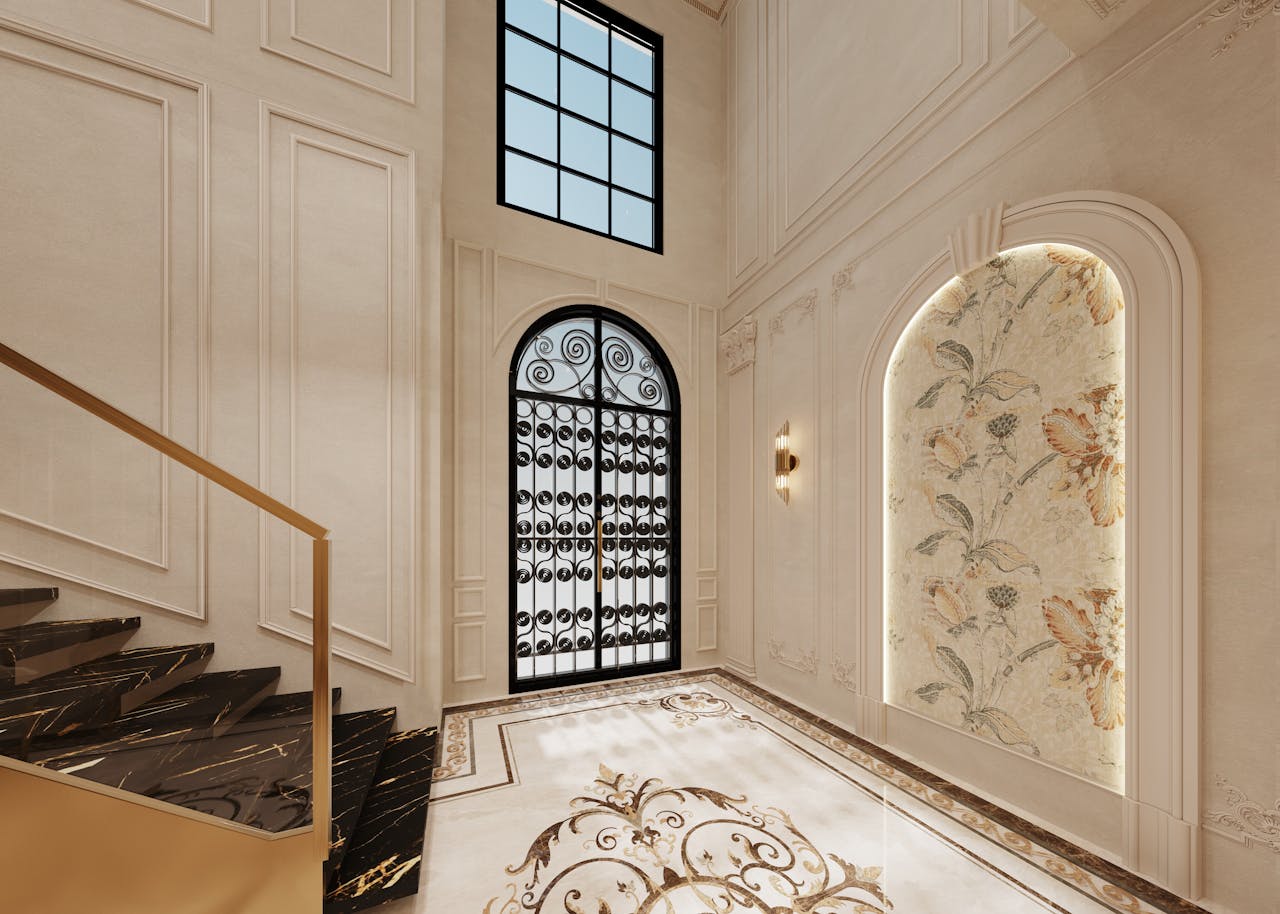
Sculptural staircases are not ornamental in the homes we curate. They are transitions — from one level to another, yes, but also from one quality of space to another. The staircase as architecture: floating, cantilevered, in stone or solid oak or resin, designed by someone who understood that the journey between floors is part of the experience of the home.
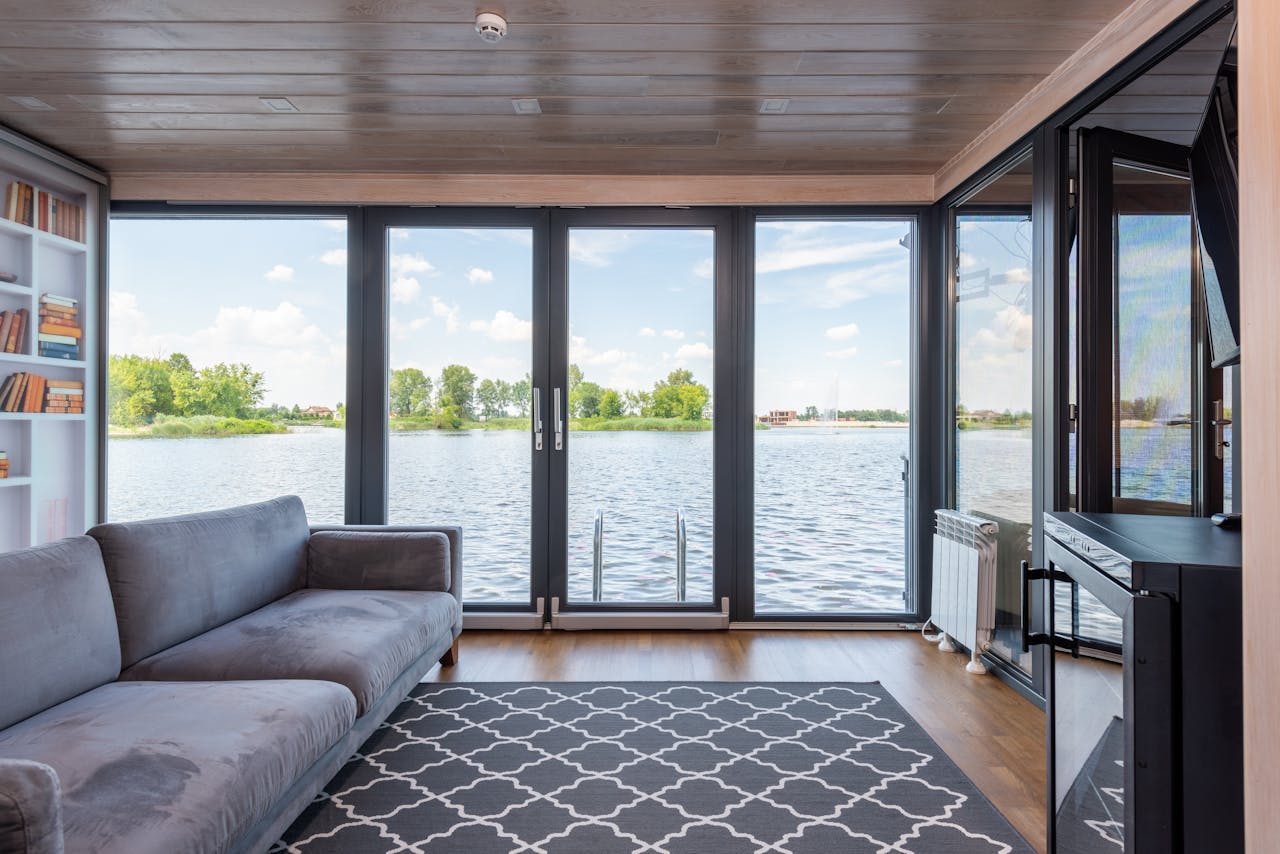
Glass that makes itself disappear
The finest interiors on the Costa del Sol are defined by a single decision: whether the window is a frame or a threshold. Where glazing opens fully — floor-to-ceiling, wall-to-wall, folding or sliding completely out of sight — the boundary between interior volume and exterior sky ceases to exist. You are not looking at the Mediterranean. You are in it.
The distribution of interior spaces and atmospheres is the other component of this spatial intelligence. A well-designed home moves through moods as it moves through rooms — from the compressed entry that heightens the sense of arrival, to the main living space where the ceiling lifts and the view opens, to the more intimate spaces where materials change and the light becomes warmer. This sequence is designed, not discovered.
Textures, noble materials, and a coherent colour palette are the silent instruments of this atmosphere. The way plaster-finished walls interact with natural light. The warmth of untreated oak against polished concrete. A material palette not of many things, but of the right things — each chosen in relation to every other.
What defines a curated space
Interior–exterior fluidity
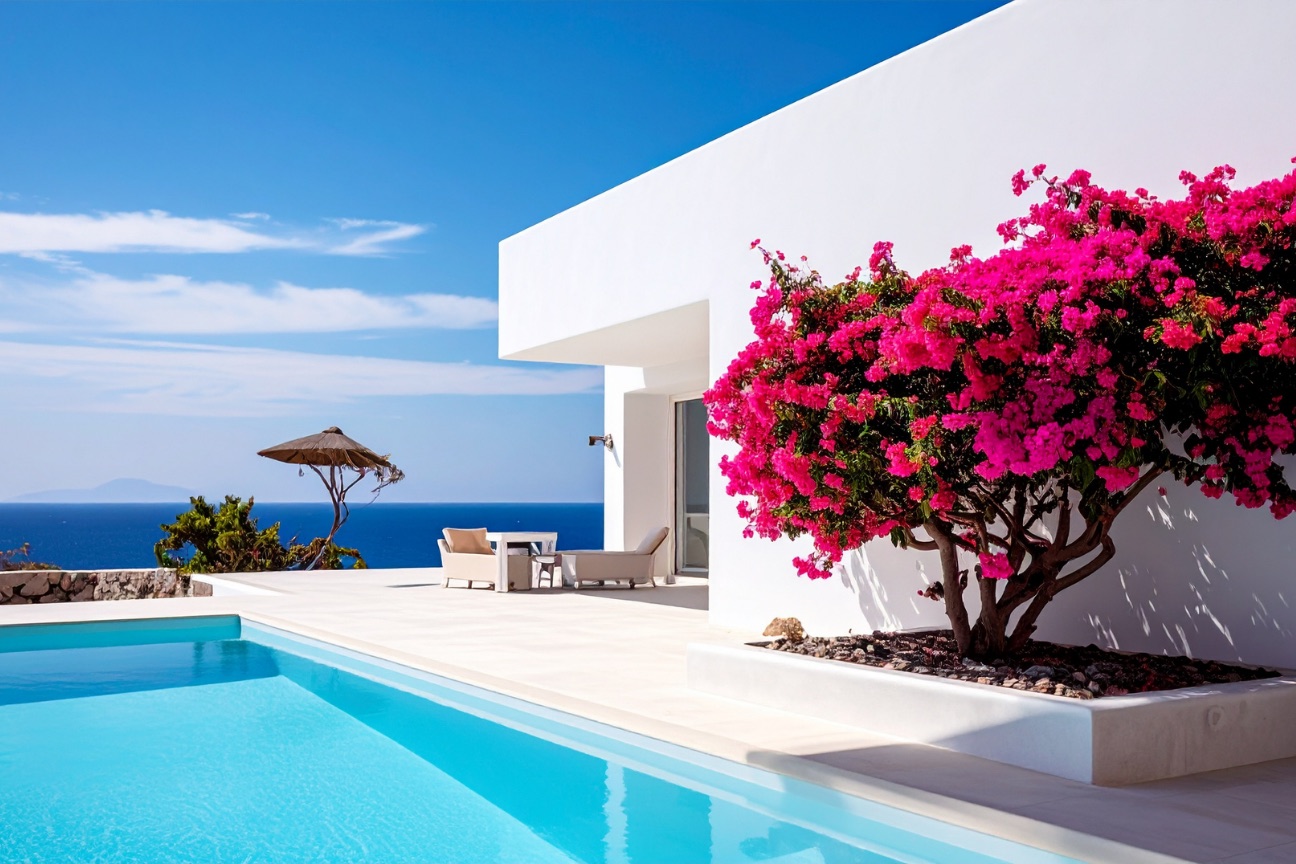
Living spaces that open completely to level terraces without threshold, step, or visual interruption. The pool as part of the composition. Interior and exterior as one continuous surface.
Column-free spans
Structural decisions that free the floor plan from the conventional grid. Large spans — often 15 to 25 metres — that create spatial freedom unachievable in standard construction.
Sculptural staircases
The transition between levels as an architectural set piece. Floating stone treads, cantilevered concrete, or glass — designed to be experienced, not merely used.
Disappearing glass
Floor-to-ceiling glazing that retracts completely into the wall. When open, the room extends infinitely. When closed, the view remains without frame or division.
Spatial atmospheres
Rooms designed to feel different — a compressed entry, an expansive living space, intimate corners. Each with its own quality of light, acoustic register, and material personality.
Noble materials & palette
A coherent material composition: local stone, untreated timber, hand-finished plaster. A palette restricted and intentional, where every surface was chosen in relation to every other.
The architects & designers who shape our eye
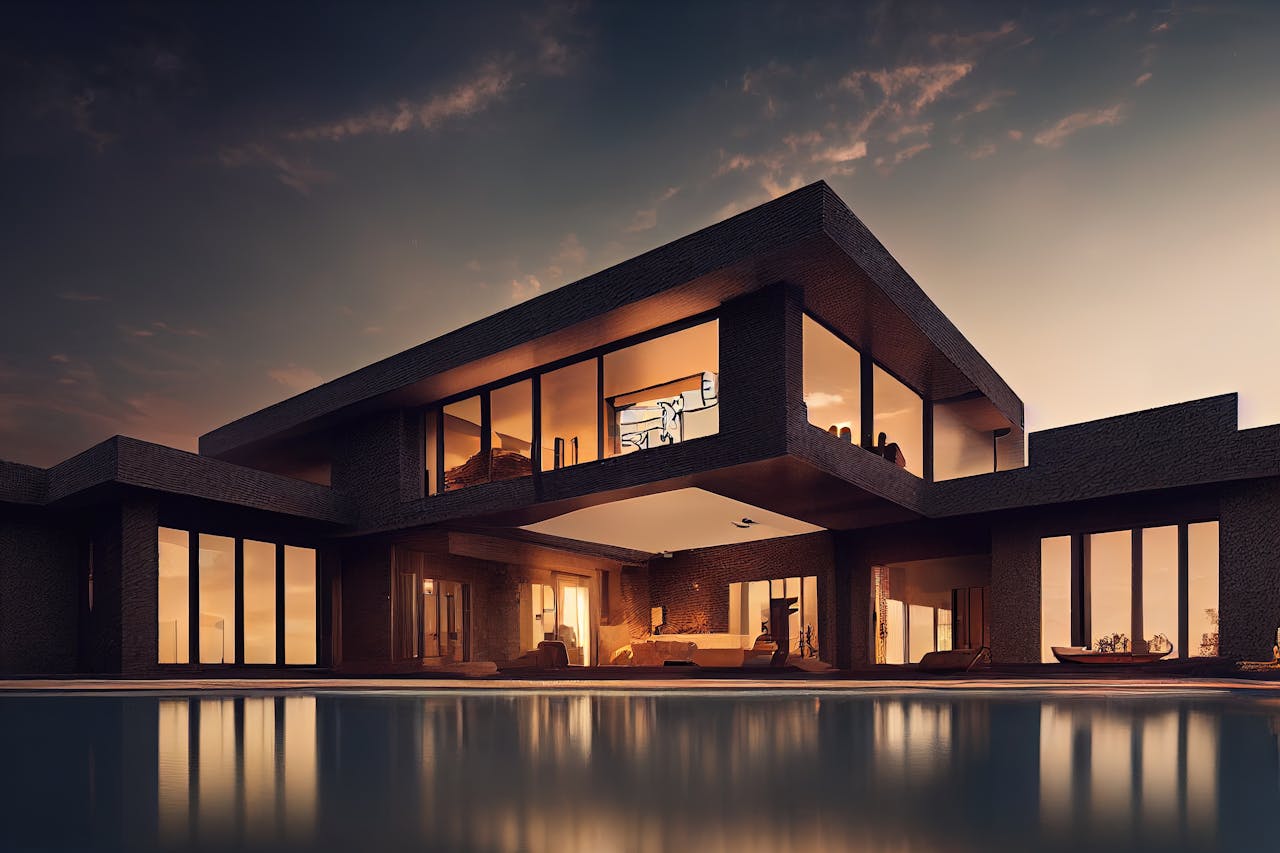
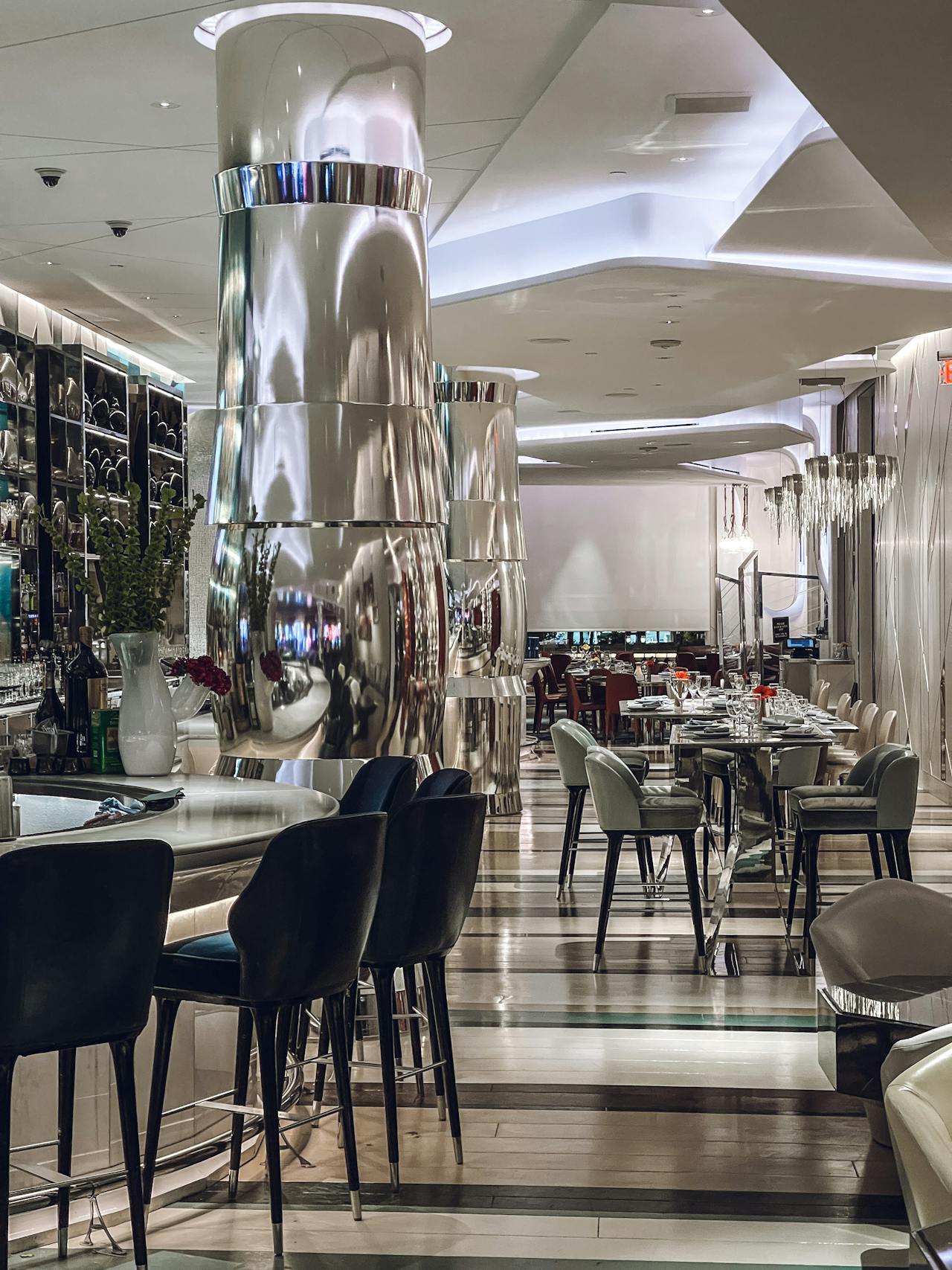
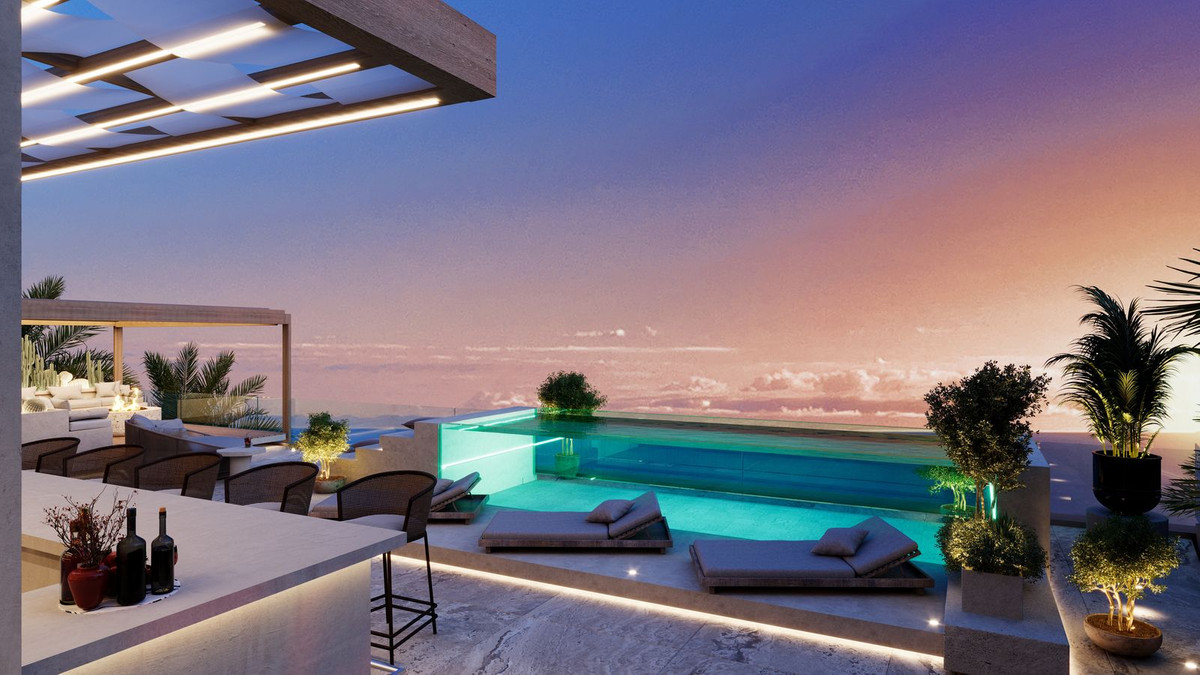
We are drawn to creators with a singular vision — whose work has a recognisable identity, whose decisions carry conviction, and whose interiors feel authored rather than assembled. These are four voices we return to, again and again, when thinking about what great residential design means in Spain.
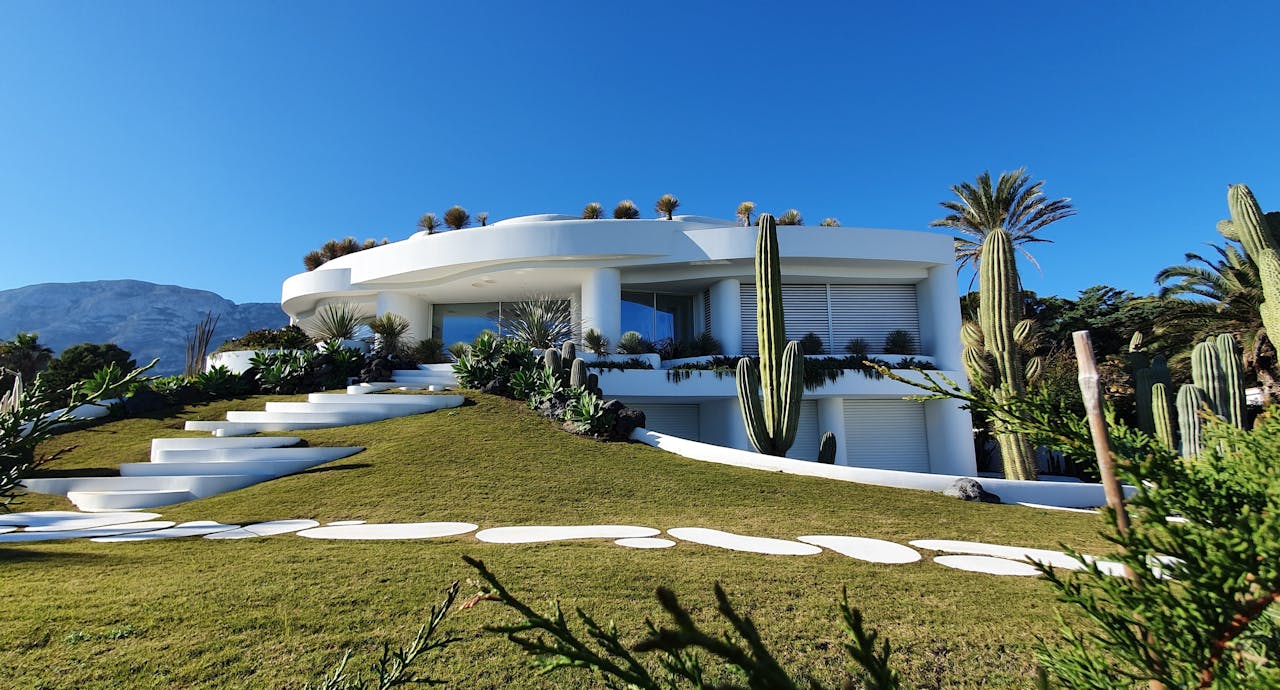
“A home designed by someone who understood beauty is not a backdrop for life — it is a form of life itself.”
Kaluma Living
Technology in the service of sensation
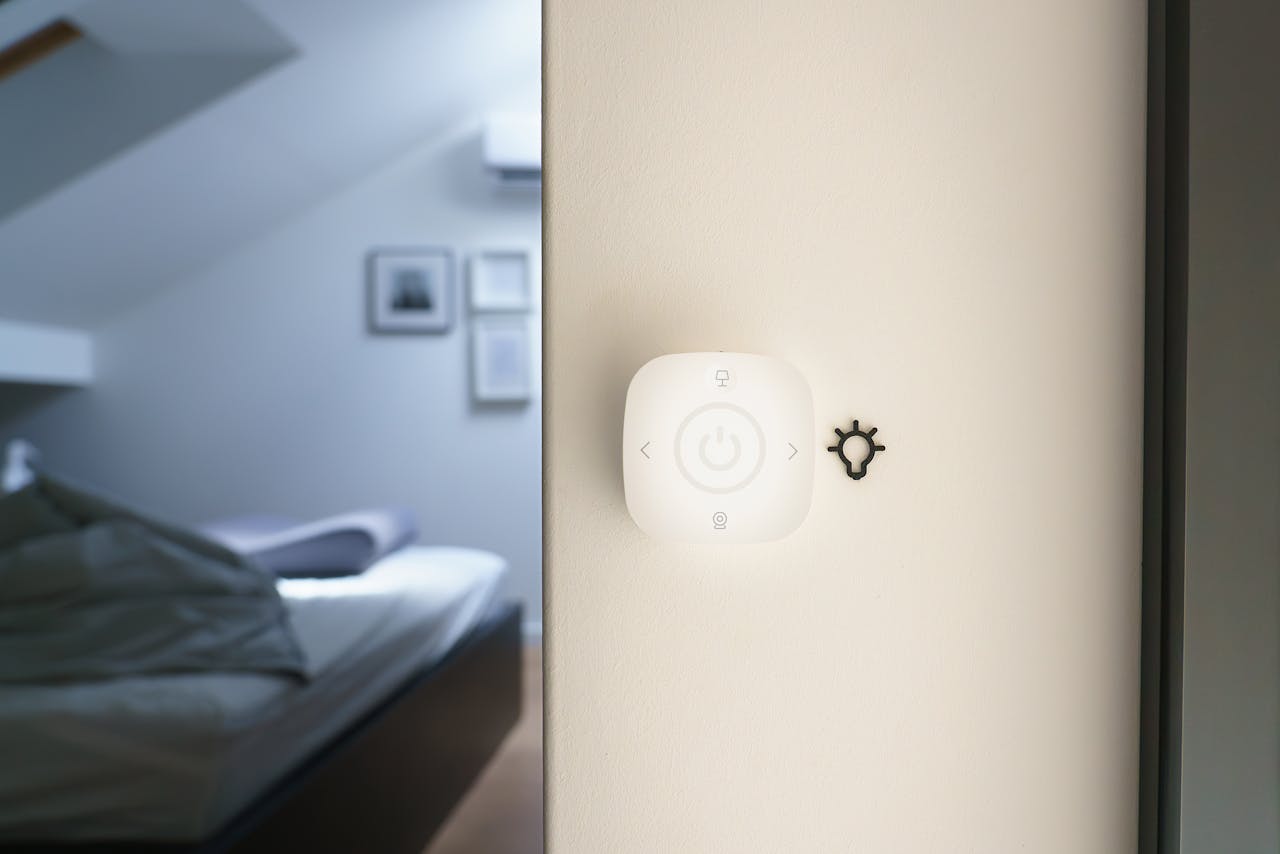
The best technology in a home is the kind you never think about. Lighting that shifts the mood of a room without revealing its mechanism. Climate systems that deliver perfect temperature without a single visible vent. Sound that fills the space as if it belonged there. These are not features — they are the invisible infrastructure of a life lived beautifully.
Invisible home automation
Control panels flush with the wall. Blinds, lighting, and climate on a single integrated system. The home responds before you know what to ask it for — and shows nothing of its intelligence.
Intelligent lighting that sculpts space
Lighting designed not as illumination but as composition. Recessed, indirect, and architectural — creating focal points, depth, and warmth at different hours of the day without a visible source.
Sound & climate — imperceptible systems
Distributed audio that delivers concert quality without a visible speaker. Radiant floor and concealed fan coils that maintain perfect humidity and temperature without air movement or mechanical noise.
Innovative interior materials
Micro-cement that reads as polished stone. Antibacterial composite surfaces. Porcelain slabs of six metres by three. Materials that expand the formal vocabulary of interiors while improving performance and durability.
Design Icons
The objects that complete the composition
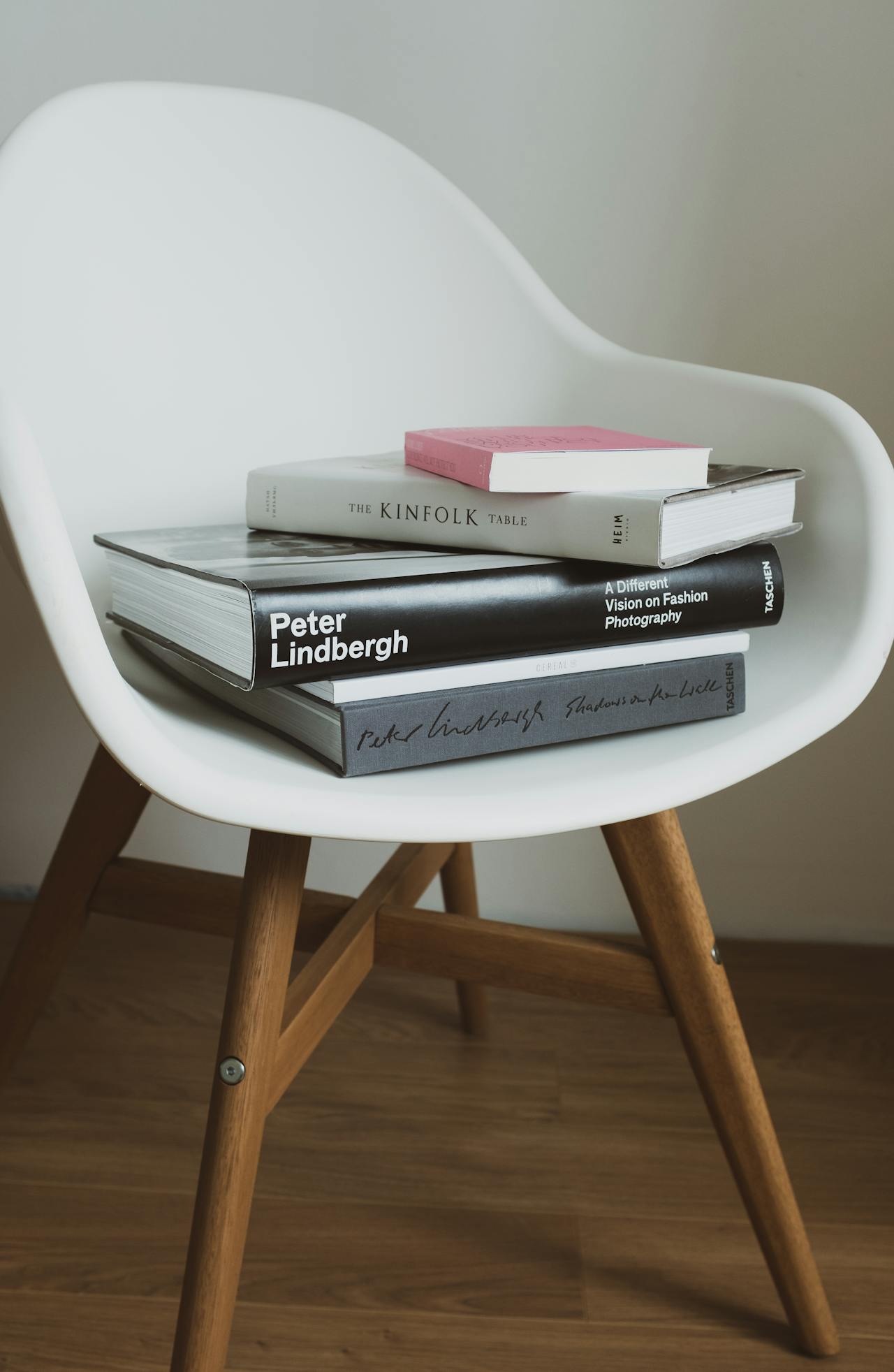
Great architecture creates the conditions for great objects. The best interiors we curate were designed to hold — and to be held by — pieces whose authorship is as recognisable as the building's own.
Lounge chairs by Charles and Ray Eames. Florence Knoll credenzas. Cassina LC2 sofas. B&B Italia Maxalto beds. Pieces that carry the weight of their own history — and lighten a room by their presence.
Arco by Flos: the lamp that tells you what kind of room you are in. Artemide Tolomeo: adjustability as elegance. Vibia: Spanish restraint in the most deliberate arcs and lines. When architecture reaches the right quality, lighting becomes the punctuation.
Our eye
What separates a beautiful property from one worth living inside
Does the geometry work?
Volumes proportioned for how you inhabit them, not how they photograph. Spatial sequences that create emotion — compression and release, darkness and light — in the movement from one room to the next.
Is there a coherent aesthetic vision?
Architecture and interior design speaking the same language. Furniture chosen in relation to the space, not in addition to it. A hand behind the decisions — someone whose taste was strong enough to refuse the obvious choice.
Does the floor plan reward living?
Kitchens designed for people who cook. Bedrooms that provide genuine acoustic and visual privacy. Terraces that are inhabited, not ornamental. The difference between a home designed to be sold and one designed to be lived in.
Will it still feel exceptional in fifteen years?
Design authorship ages differently from trend-driven styling. A home with a genuine architectural concept becomes more itself over time — not less. This is the property that will still stop conversation in a decade.
Common questions
Design authorship on the Costa del Sol
What makes an architect-designed luxury villa on the Costa del Sol truly exceptional?
Exceptional architect-designed villas on the Costa del Sol share a quality that is immediately felt but difficult to quantify: the geometry works. Volumes are proportioned for how you actually inhabit them. The sequence of spaces creates a sense of choreographed movement from entrance to living room to terrace. The furniture and the architecture speak the same aesthetic language. These homes were conceived as complete compositions.
What is design authorship in luxury real estate?
Design authorship in luxury real estate means a home was conceived with a singular, coherent vision — by an architect or designer with a recognisable aesthetic approach — rather than assembled from generic options. On the Costa del Sol, this represents a small fraction of the total market: homes where you can identify the hand of the designer in every spatial decision, material choice, and furniture selection.
How does indoor-outdoor living work in the best villas on the Costa del Sol?
In the best villas on the Costa del Sol, indoor-outdoor living is a geometric decision, not an amenity. Floor plans are conceived so that living spaces open fully to level terraces without threshold or step, creating visual and physical continuity between interior volume and exterior sky. With more than 300 days of sun a year, the outdoor space is the primary living room — and the finest architects treat it with exactly that architectural rigour.
Which are the best areas in Marbella for architect-designed homes?
The highest concentration of genuinely design-led luxury villas on the Costa del Sol is found in La Zagaleta, Sierra Blanca, the Golden Mile, Nueva Andalucía, and Sotogrande. These areas combine large plots, strict building regulations, and an established community of owners who invested seriously in architecture and interior design.
Explore the Kaluma Way
Four dimensions of one vision
Find a home worth living inside
Every property in our collection has been assessed for the qualities that matter beyond specification — the spatial composition, the coherence of vision, and the sense that someone designed it with real authorship and conviction.